 Senior Editor: Alan Agbele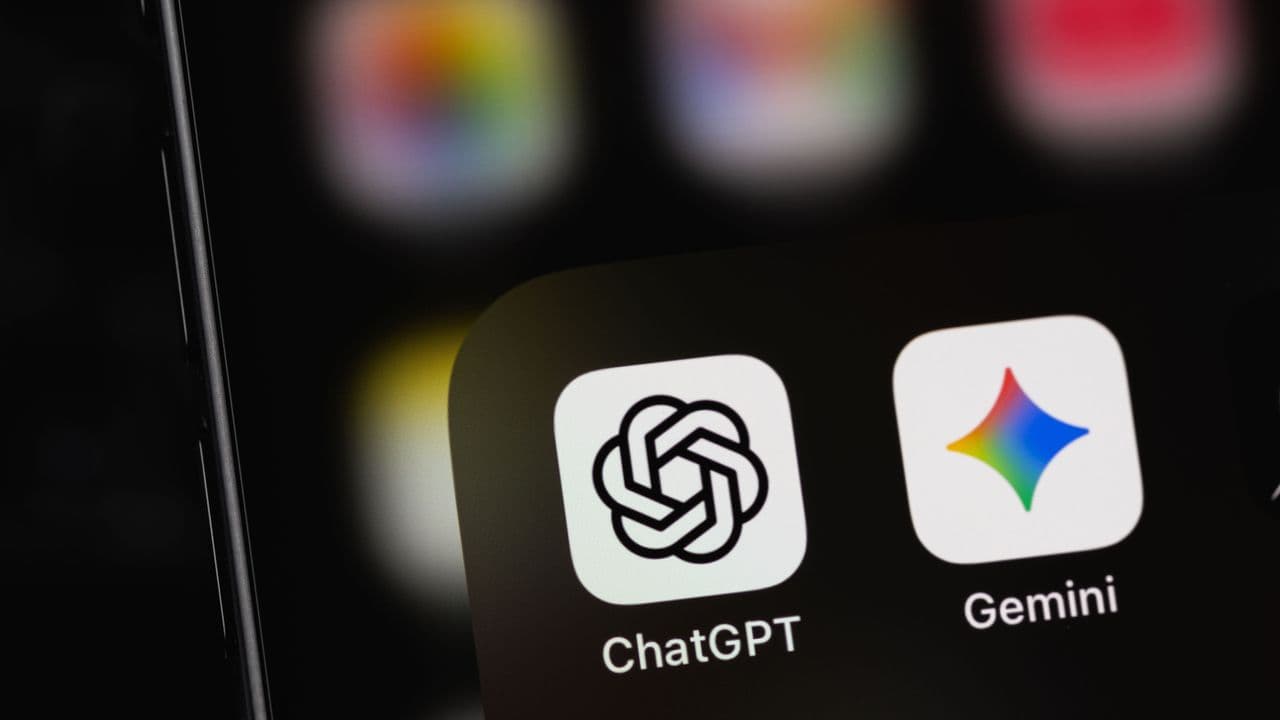
OpenAI and Google released major new AI models within days of each other. Both companies have highlighted coding and developer features. But a recent real-world test suggests that benchmark scores do not always translate to practical utility.
The Test Setup
The user uploaded a wide range of personal documents to both AI assistants. The data included financial records, communications, schedules and visual inputs. The instruction was intentionally vague: "Tell me everything I should do this week." This forced the models to combine information from multiple sources, prioritize tasks and reconcile conflicts.
Two Very Different Responses
Gemini 3.6 Flash responded quickly but largely ignored the photos and other files. Its initial answer simply repeated events from the calendar. When prompted further, it categorized information into work, shopping, fitness and receipts. However, it failed to flag two conflicting calendar events and offered little prioritization.
ChatGPT took longer to process the data. It examined the WhatsApp screenshots and deduced that attendance at a Friday Tai Chi class would be low, suggesting the user decide whether to run it. It noticed the conflicting events and advised the user to choose between them. ChatGPT also totaled receipts, deciphered handwritten notes and organized everything into a day-by-day plan with the three most urgent tasks identified.
Why This Matters
The gap between these two responses highlights a critical difference in AI assistant design. Gemini summarized what was in the files. ChatGPT reasoned about what the user should do with the information. For tasks that require context, prioritization and real-world decision making, the latter approach is far more valuable.
This test comes as both Google and OpenAI compete aggressively on coding and developer benchmarks. Yet the average user does not write code with these tools. They manage schedules, review bills and coordinate plans. The ability to turn raw data into actionable recommendations is what will determine which assistant people actually rely on.
Google has touted Gemini 3.6 Flash's improvements in multimodal performance and knowledge work. But in this practical test, it was comfortably beaten by ChatGPT. The result suggests that benchmark scores may not capture the intelligence that matters most in everyday life.


