Editor: Porcia Akua Holmes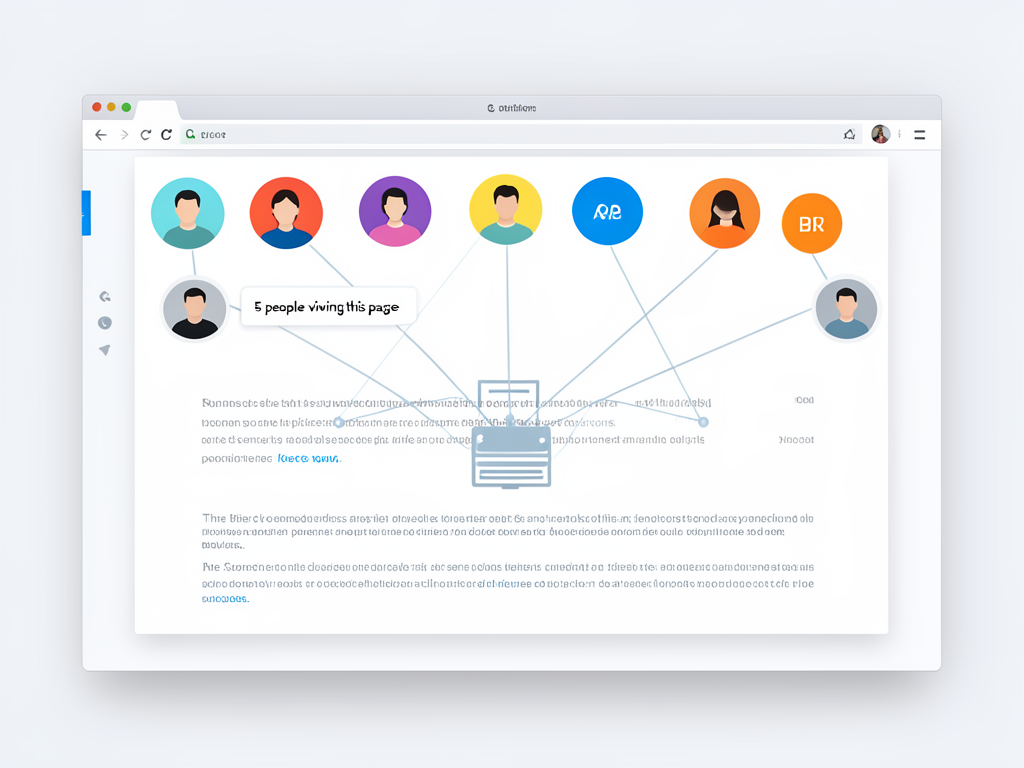
A new open-source project aims to solve a problem many website owners face: how to show visitors that they are not alone. TownSquare, a lightweight presence layer, brings real-time user indicators to any website. The tool lets site visitors see how many people are currently viewing the same page and sometimes even where they are looking.
How TownSquare Works
TownSquare operates as a tiny JavaScript snippet that website owners embed into their pages. When a visitor loads a page, the snippet connects to a shared server and broadcasts the visitor's presence. Other visitors on the same page see a small avatar or count indicator update in real time. The system requires no user accounts or complex setup. It is designed to be privacy conscious by default, showing only minimal information such as an anonymous icon or a generic count.
The project was built by an independent developer and released under an open-source license. The code is available on GitHub for anyone to inspect, modify or self-host. This transparency addresses a key concern for developers who want control over their data and infrastructure.
The Rise of Presence in Web Design
Presence features have become standard in collaborative applications. Figma shows the cursors of other designers working on the same file. Google Docs highlights which paragraph a collaborator is editing. These indicators reduce friction and make digital spaces feel inhabited. TownSquare extends that feeling to ordinary websites, from forums and documentation pages to e-commerce and community hubs.
The broader trend reflects a shift in user expectations. People increasingly want to know whether a website is active and whether others are engaging with the same content. For online communities, presence can signal that a discussion is lively or that help is available. For content creators, it offers a social proof that pages are being read in real time.
Why This Matters
TownSquare directly affects website owners, developers and everyday visitors. For website owners, adding presence indicators can increase engagement and reduce bounce rates. Users who see others on a page are more likely to stay, comment or make a purchase. For developers, TownSquare offers a simple way to add a modern social feature without building backend infrastructure from scratch. The open-source nature means they can customize or self-host to meet privacy requirements.
On the consumer side, visitors benefit from a more connected browsing experience. Instead of feeling like they are reading a static page alone, they see a live community around the content. This can transform how people interact with forums, blogs, support pages and even documentation. However, the feature also raises privacy questions. Not every user wants to broadcast their presence. TownSquare addresses this by making participation opt in where possible and by limiting the data shared.
The introduction of tools like TownSquare signals that real-time presence is no longer exclusive to large platforms. Small websites can now offer the same kind of ambient social awareness that users expect from major apps. This could accelerate the adoption of collaborative web design patterns across the entire internet.
TownSquare is still early stage but already functional. The project highlights a growing demand for lightweight, privacy-conscious solutions that bring multiplayer dynamics to everyday browsing.