Senior Editor: Alan Agbele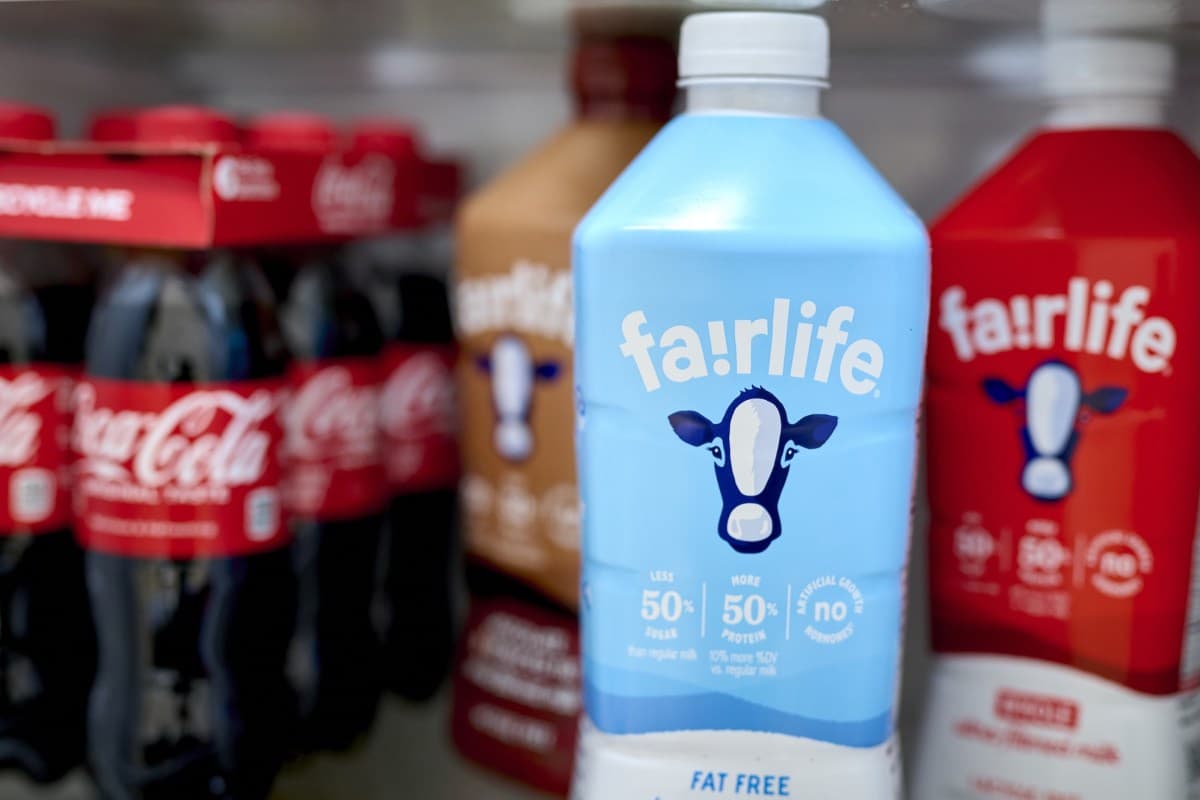
A ransomware attack has disrupted operations at Coca-Cola's Fairlife dairy unit, forcing a production suspension across the United States. The incident highlights a growing vulnerability in the food supply chain as cybercriminals increasingly target critical manufacturing infrastructure.
The Attack and Its Immediate Impact
Coca-Cola confirmed that dairy production at its Fairlife unit will remain suspended following the breach. The company did not disclose specific details about the ransomware variant or the attackers. Fairlife is a major brand within Coca-Cola's portfolio, producing ultra-filtered milk and other dairy beverages. The suspension affects a key facility and will likely disrupt supply to retailers and consumers.
Why Food Manufacturers Are Vulnerable
Industrial control systems in food production are often connected to corporate networks with limited security segmentation. This combination makes them attractive targets for ransomware groups. Here are key factors that increase risk:
Why This Matters
This attack signals a direct threat to the reliability of the food supply chain. Consumers may face reduced availability of Fairlife products in the short term. For the dairy industry, the incident demonstrates that production facilities are no longer immune to cyber extortion. Companies must now invest in cyber resilience as a core operational requirement, not just an IT concern. The financial impact of downtime, lost product, and recovery costs can far exceed any ransom demand. Regulators and industry groups may need to step in with stronger guidelines for critical food manufacturing infrastructure.