Senior Editor: Alan Agbele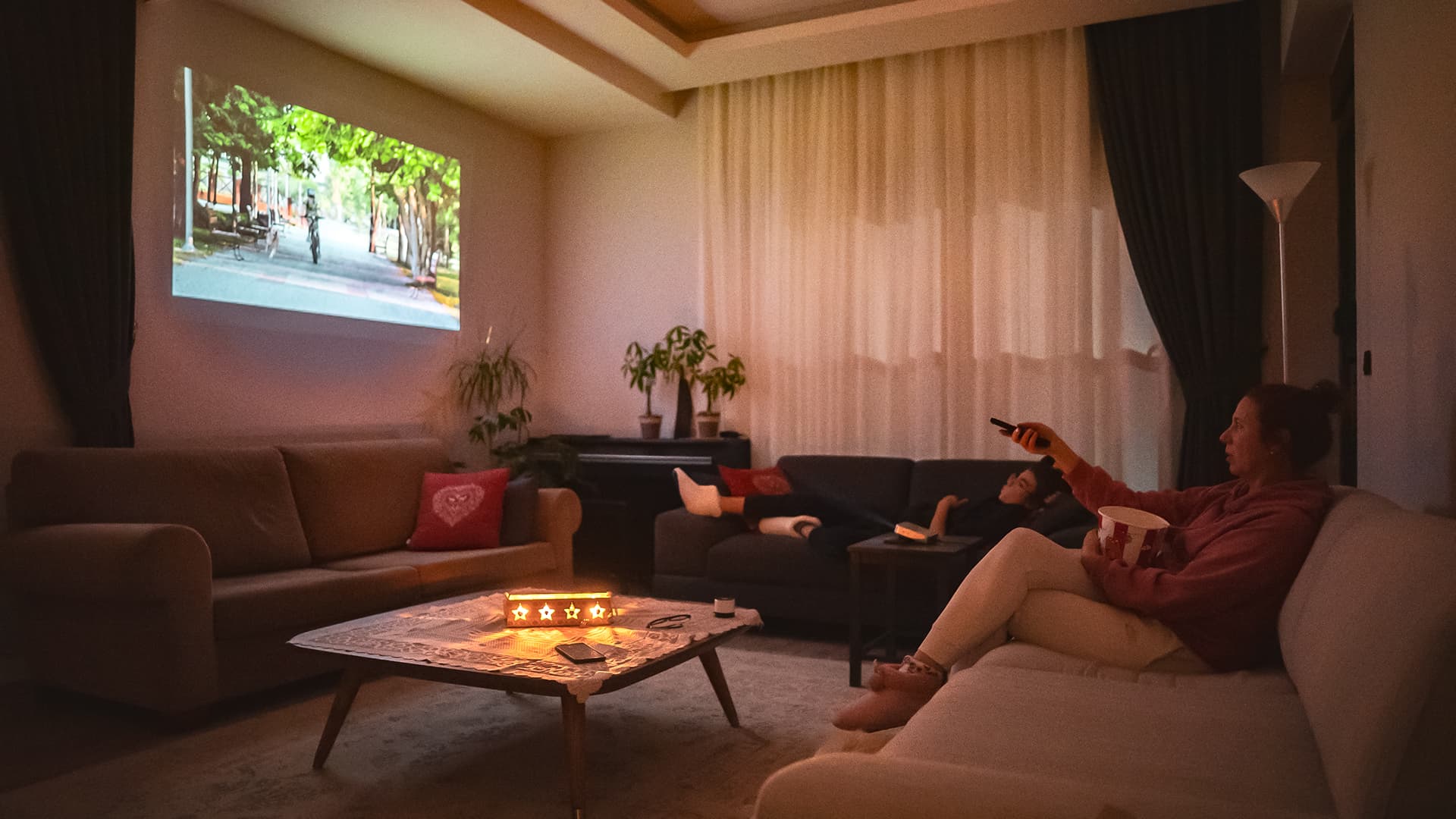
For decades, the home theater rule was simple: buy a projector and pair it with a dedicated projection screen. That rule is now being questioned. Advances in projector brightness and laser technology have allowed many devices to produce crisp images on plain white walls, forcing a fresh look at the value proposition of a projector screen.
The Shift in Projection Technology
Early home projectors struggled with ambient light, making a reflective white or grey screen essential. Today's models, especially those using laser phosphor engines, achieve brightness levels that once belonged only in commercial cinemas. A 2023 survey by the Consumer Technology Association found that 62 percent of new projector buyers considered a screen optional.
This shift has sparked a broader trend among homeowners who want to minimize equipment clutter. Painted wall surfaces, sometimes treated with special projector paint, offer a seamless look when the device is idle. The result is a cleaner aesthetic for your home theater, but it comes with trade-offs.
When a Dedicated Screen Still Wins
Light control remains the determining factor. In rooms with windows or overhead lighting, a screen with ambient light rejection (ALR) properties can preserve black levels that a painted wall cannot. Three critical considerations stand out:
Why This Matters
The decision affects more than just picture quality. Skipping a projector screen can save $500 to $2,000, making home theater accessible to more households. However, content creators master films assuming a reference-level viewing environment. Without a proper surface, subtle shadow details may vanish, altering the intended creative experience. For cinephiles building a serious system, a dedicated screen remains nonnegotiable. For casual viewers using a projector in a living room, the wall may suffice. The real shift lies in how the industry now caters to both groups through hybrid solutions such as retractable ALR screens that hide when not in use.
What You Need to Know About Screen Technology
Material science has evolved alongside projectors. Modern screens use multi-layer coatings that reflect specific wavelengths while absorbing others. Grey screens improve native contrast in rooms with some ambient light. White screens maximize brightness for high-lumen projectors. Acoustically transparent fabrics allow speakers behind the screen, eliminating visible speaker boxes. These innovations keep the product category relevant even as bare-wall projection improves.