Senior Editor: Alan Agbele
Privacy incidents involving personal photos have become a defining cybersecurity challenge of the digital age. Real-world cases demonstrate how easily unprotected images can be weaponized against individuals and organizations. As photo-sharing and cloud storage grow, the attack surface expands.
How Privacy Incidents Unfold
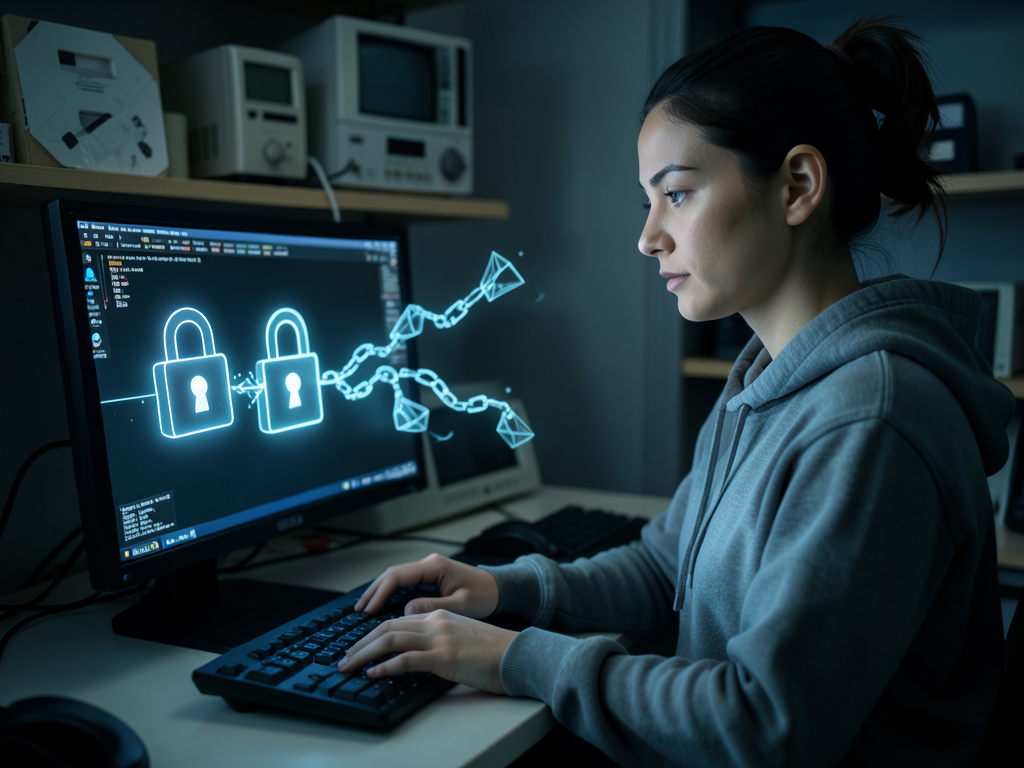
Many high-profile privacy incidents start with a single weak point. Attackers exploit vulnerabilities in storage systems or trick users into granting access. The consequences cascade quickly.
These scenarios are not rare. Privacy incidents now affect individuals and corporations alike, with photos often serving as the most sensitive data stored online.
Why This Matters
The impact of a photo privacy breach extends far beyond embarrassment. Victims face extortion, reputational damage and legal battles. For companies, a single leaked image can trigger regulatory fines and loss of customer trust. The rise of generative AI makes matters worse. Stolen photos can be used to create convincing deepfakes, fueling disinformation campaigns or targeted scams. As privacy incidents grow in frequency, the need for proactive protection becomes a business and personal imperative.
Strengthening Photo Security
Organizations and users can reduce risk through practical measures. Zero trust architectures limit access to stored images. End-to-end encryption ensures that even if servers are breached, photos remain unreadable. Regular audits of sharing permissions help prevent accidental exposure. Education also plays a role. Understanding how privacy incidents occur empowers people to recognize phishing attempts and avoid risky behaviors. The combination of technical controls and user awareness creates the strongest defense.