Senior Editor: Alan Agbele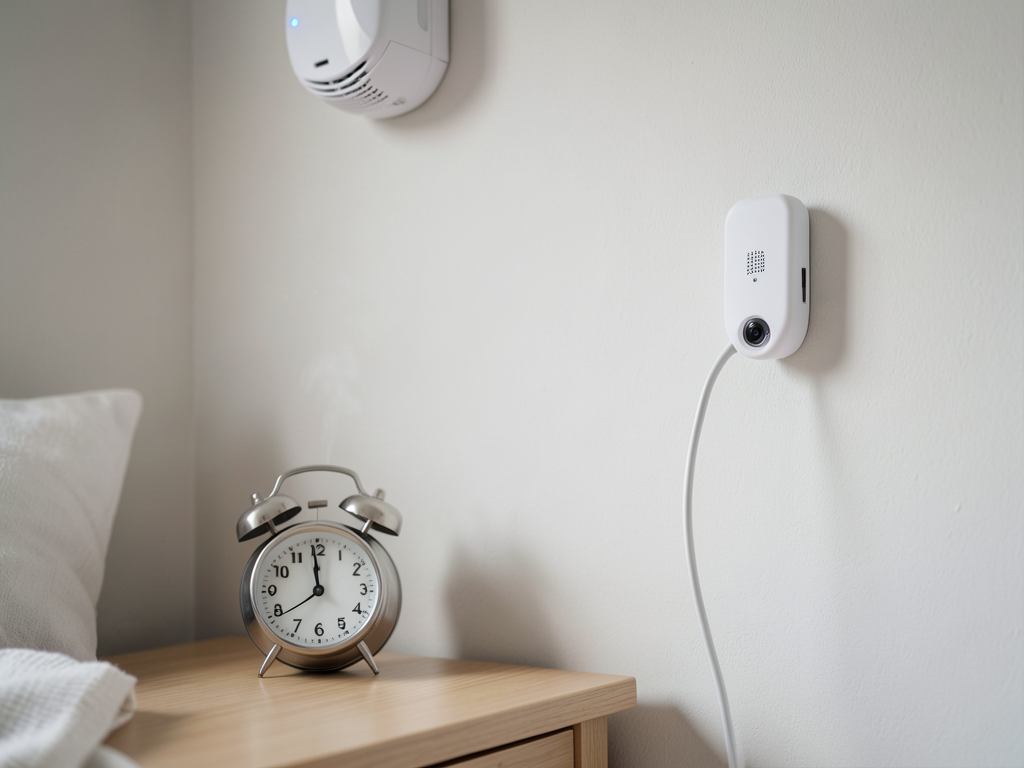
The market for covert surveillance devices continues to grow, with increasingly tiny cameras and microphones embedded inside objects people encounter daily. These hidden tools are not limited to spy movies. They now appear in smoke detectors, alarm clocks, USB chargers and even coat hooks. For consumers concerned about privacy, recognizing these disguised devices has become a practical necessity.
Common Disguises and Their Risks
Surveillance components can be concealed inside items that offer a logical power source, a clear line of sight or a discreet hiding spot. Below are several frequently repurposed household objects.
These are not exotic devices. Many are sold openly as home security cameras or nanny cams, but the same designs can be misused by landlords, guests or malicious individuals to record without consent.
The Growing Accessibility of Covert Hardware
Prices for miniature camera modules have dropped below $10 in many cases. Wi-Fi connectivity allows live streaming directly to a smartphone, removing the need for on-device storage. This trend makes it easier than ever for someone with minimal technical knowledge to deploy hidden surveillance. Meanwhile, legal protections vary widely by jurisdiction, with some regions requiring conspicuous signage and others allowing recording as long as one party consents. Consumers cannot rely solely on the law to guarantee their privacy in rented homes or hotel rooms.
Why This Matters
The threat is not abstract. Victims of hidden cameras often face a long-term psychological toll and a loss of trust in their environment. For travelers, the risk is heightened because they cannot inspect every object in a temporary lodging. For remote workers and families, the growing use of smart home devices blurs the line between convenience and intrusion. The consequences extend beyond personal embarrassment to legal liability for property owners who fail to disclose surveillance. As more everyday objects become connected, the challenge of distinguishing a legitimate device from a covert one will only intensify.
Practical Detection Strategies
No single method guarantees a hidden camera will be found, but combining several approaches improves the odds. Start by physically inspecting unusual objects, especially those with small holes or lenses that face beds or bathrooms. Use a flashlight to look for reflections off glass camera lenses. A smartphone camera can detect infrared light from night-vision cameras in a dark room. Finally, check the Wi-Fi network for unknown devices that are transmitting video. These steps do not require extra tools and can be performed in minutes.