Senior Editor: Alan Agbele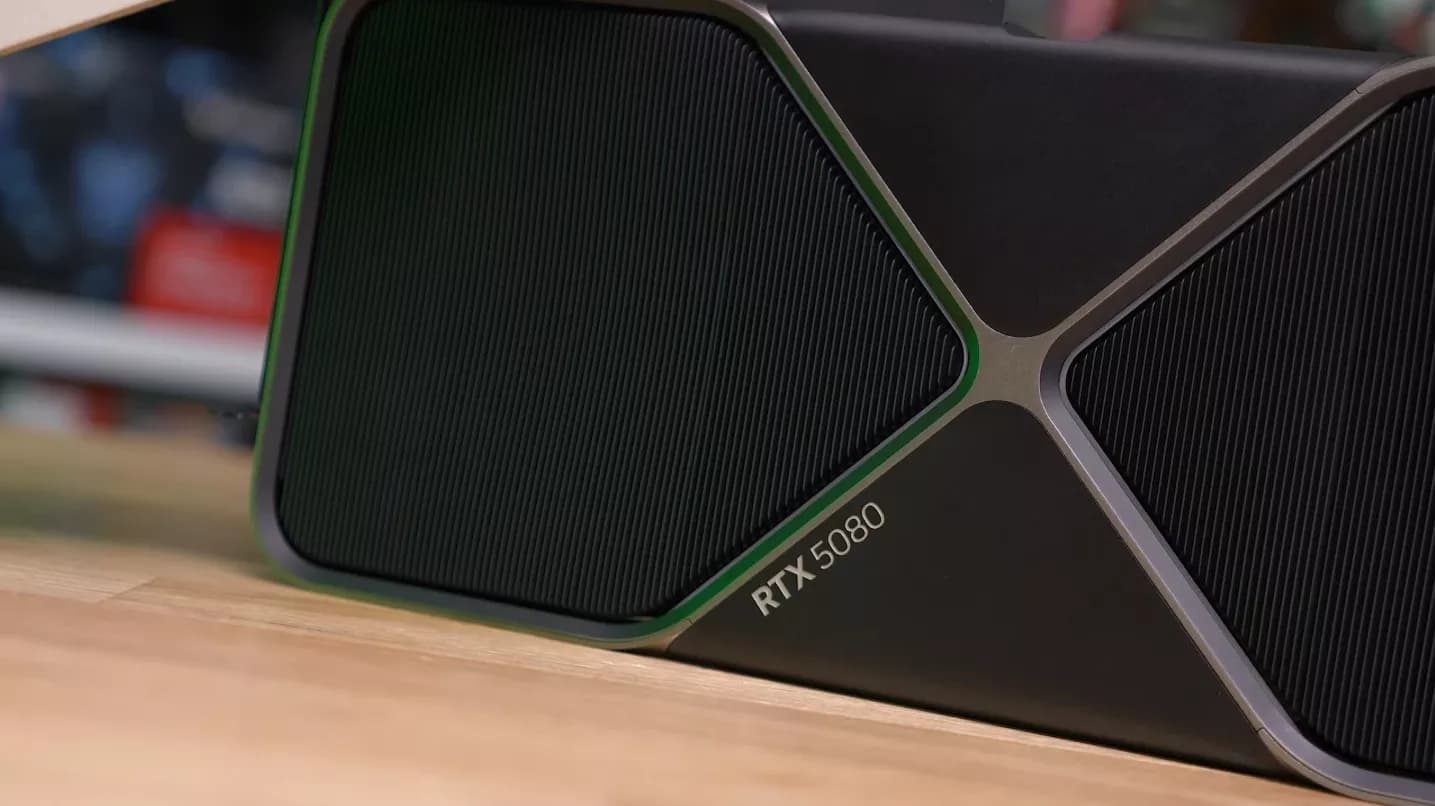
An unexpected power outage at a Chinese esports hotel ended a months-long GPU theft ring that operated right under management's nose. The thieves had systematically replaced high-end RTX 5080 graphics cards with older RTX 3060 models in dozens of gaming PCs. The scheme remained undetected until the blackout caused those swapped machines to fail at startup, triggering an investigation.
How the Scheme Worked
The thieves targeted multiple esports hotel chains across several Chinese cities. They checked into rooms with two or more gaming PCs, swapped the RTX 5080 cards for pre-brought RTX 3060s, then checked out. The stolen GPUs were then sold through online marketplaces, often at prices slightly below retail to ensure quick sales.
Why This Matters
This case highlights a growing security gap in shared gaming spaces. As esports hotels expand in China and elsewhere, operators must treat high-value hardware as a physical asset requiring same level of protection as digital systems. The resale value of GPUs, which has climbed due to ongoing supply constraints and AI-related demand, creates a strong incentive for theft rings.
For guests, the incident undermines trust. Paying a premium for a room with RTX 5080-powered machines but receiving RTX 3060-level performance means getting a fraction of the advertised experience. Hotels that fail to secure their hardware risk losing both reputation and bookings to competitors that invest in tamper-proof cases, regular inventory audits and staff training.
On a broader level, this case signals that GPU theft is evolving from individual acts to organized operations targeting vulnerable infrastructure. Law enforcement agencies in China have since advised esports hotels to implement serial-number tracking and install surveillance cameras focused on PC internals.
Lessons for the Industry
Esports hotel operators can learn from this incident. Several practical measures can deter similar schemes:
The stolen GPUs, valued at tens of thousands of dollars collectively, are unlikely to be recovered. But the case has already prompted policy changes in several Chinese hotel chains, including mandatory hardware checks after every checkout.