Senior Editor: Alan Agbele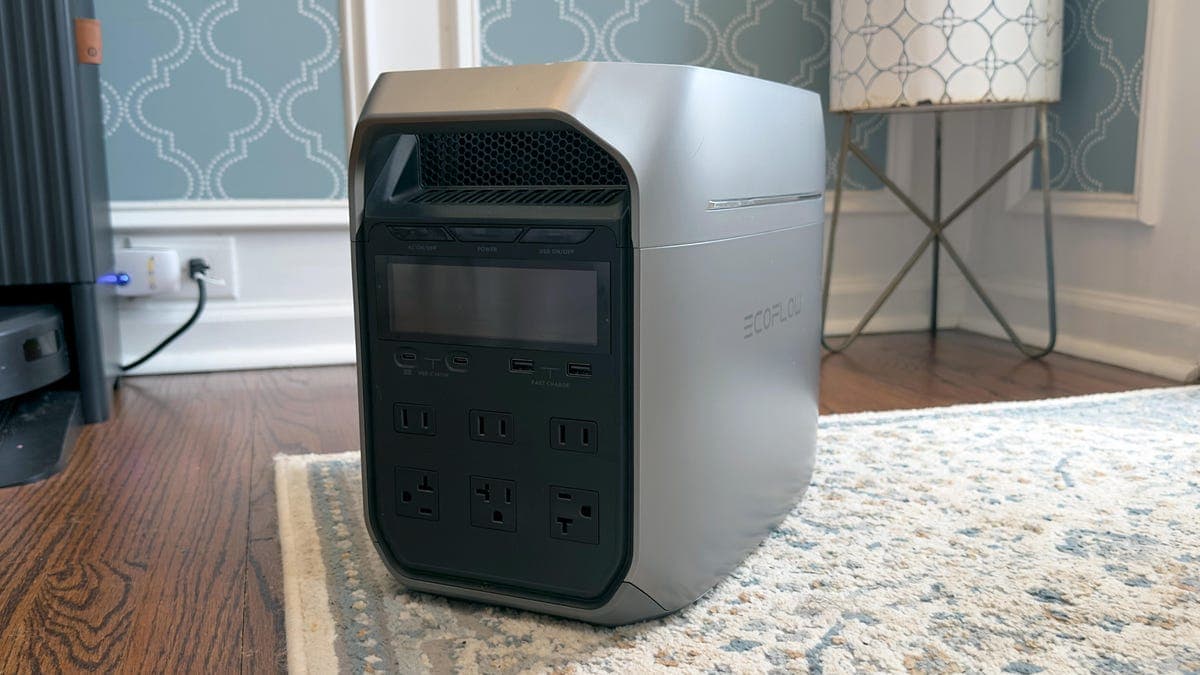
Portable power stations have become essential tools for outdoor enthusiasts, remote workers and emergency preparedness. One experienced user argues that keeping multiple devices connected simultaneously is the key to getting full value from these units.
The Three-Device Strategy
The approach involves connecting three different types of devices to a single power station at once. This could include a laptop, a smartphone and a portable refrigerator or a camera battery charger. The goal is to use the power station's capacity efficiently rather than charging one device at a time.
By maintaining multiple connections, users can draw power continuously without wasting energy on idle conversion cycles. Power stations operate most efficiently when they deliver a steady load rather than intermittent bursts.
Why This Matters
For consumers who invest hundreds of dollars in portable power stations, maximizing utility is critical. Many users only connect devices when batteries are low, leaving the power station idle for hours. This practice reduces the effective value per charge cycle and can shorten the unit's lifespan over time.
Keeping three devices connected also provides practical benefits during outages or camping trips. Users avoid the hassle of swapping cables and waiting for individual charges. The strategy ensures that essential electronics remain powered without constant monitoring.
Efficiency Gains
Modern lithium-ion power stations include multiple output ports designed for simultaneous use. Running them at partial load wastes potential capacity. A steady draw of 100 to 200 watts keeps internal components at optimal operating temperatures and reduces stress on battery cells.
Users should check their device wattage before connecting multiple items. Most laptops draw 45 to 60 watts while smartphones use under 20 watts. A typical portable refrigerator consumes around 50 watts. Combining these loads stays well within safe limits for mid-sized power stations rated at 300 to 500 watt-hours.
Practical Considerations
Cable management becomes important when running three devices simultaneously. Users should secure cables to prevent tripping hazards or accidental disconnections. Power stations with USB-C Power Delivery ports offer faster charging for modern laptops and phones.
The strategy works best with devices that have similar charging profiles. Mixing high-draw appliances like electric kettles with low-power gadgets can overload smaller units. Checking each device's input rating prevents circuit protection shutdowns.
Avoiding Common Mistakes
Some users worry about overloading their power station by connecting too many devices at once. Modern units include built-in safeguards that shut down output if current exceeds safe levels. Connecting three moderate-draw devices rarely triggers these protections unless one device has a faulty charger.
Battery degradation remains a concern with any lithium-ion product but running consistent loads actually helps maintain cell balance over time. Deep discharges followed by long idle periods cause more damage than steady usage patterns.