 Editor: Porcia Akua Holmes
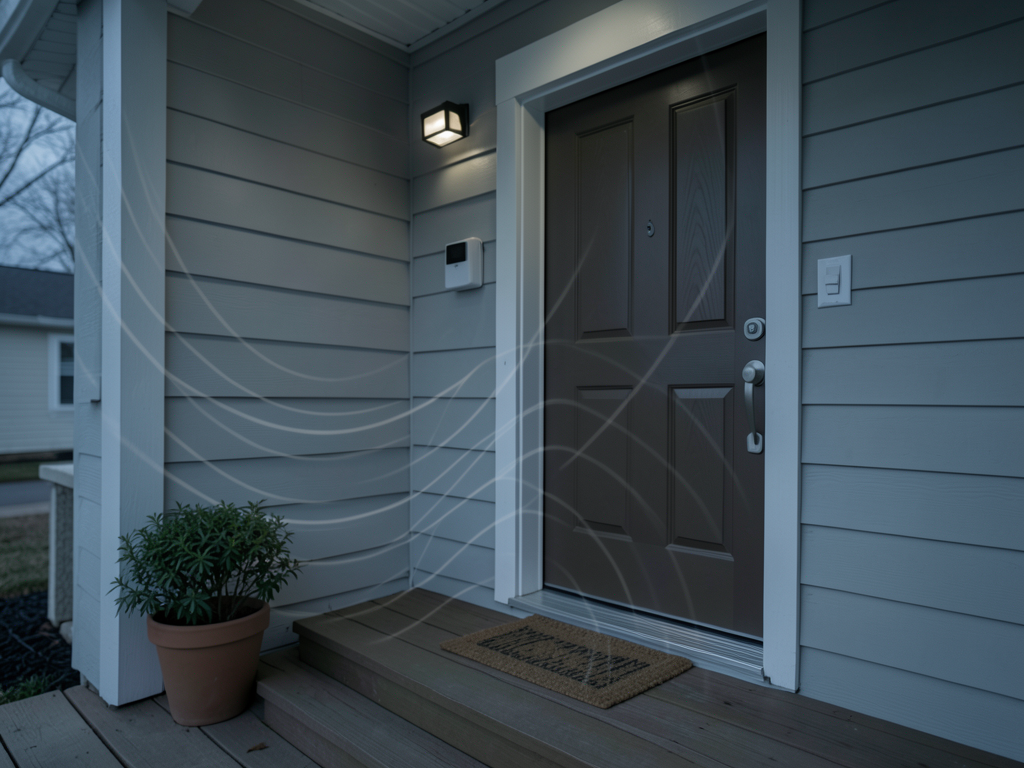
The porch has become the most contested square footage in the American home. Package theft, late-night visitors and delivery drivers have turned a once-passive entryway into a surveillance zone. That shift explains why I Test Home Security Tech, Here Are 4 Devices I Rely on to Guard My Porch reads less like a gadget roundup and more like a blueprint for layered defense.
The core insight from that testing is straightforward: no single device secures a porch. A camera records. A light deters. A lock controls access. Only when those functions overlap does the porch become genuinely defended.
Why Porch Security Became a Layered Problem
Package theft reports have climbed steadily since 2020, according to delivery industry tracking. That pressure pushed manufacturers to treat the porch as a system rather than a single camera mount.
Video doorbells such as those from Ring and Arlo now anchor most setups. They provide the first layer: visual confirmation of who is at the door and when.
Floodlights and smart locks form the second layer. A motion-triggered light can interrupt a theft attempt before it starts. A keypad lock removes the hidden-key vulnerability that burglars have exploited for decades.
What You Need to Know About Device Interoperability
The devices tested share a common trait: they communicate through Wi-Fi and integrate with platforms like Amazon Alexa and Google Home. That integration matters more than raw resolution or field of view.
A 2K camera that cannot trigger a linked floodlight leaves a gap in coverage. A smart lock that does not log entries offers no forensic value after an incident.
Each layer addresses a different failure mode. The doorbell catches what happens. The floodlight prevents what might happen. The lock controls who gets in.
Why This Matters
Consumers who buy a single camera and call it done are leaving predictable gaps. The porch is a transition zone, and transitions require overlapping coverage.
Insurance providers have started recognizing this. Some homeowner policies now offer discounts for homes with monitored smart locks and verified video doorbells, though adoption varies by state.
The bigger shift is behavioral. Renters and homeowners alike are treating porch security as a subscription service, not a one-time purchase. Ring Protect and Arlo Secure plans bundle cloud storage with device management, creating recurring revenue streams for manufacturers.
That model raises a privacy trade-off. Cloud-connected cameras send footage to remote servers, which means porch data lives outside the home. Local storage options exist but often require additional hardware and technical setup.
The Practical Takeaway for Buyers
Anyone assembling a porch defense system should start with the doorbell and work outward. The doorbell provides the highest return on investment because it captures both package deliveries and visitor interactions.
From there, add a floodlight for deterrence and a smart lock for access control. Indoor cameras complete the chain by monitoring what happens after someone enters.
The lesson from testing these devices is that security comes from redundancy. One camera watches. Two cameras and a light create a deterrent. Three layers create a system that is genuinely difficult to defeat.


