Editor: Porcia Akua Holmes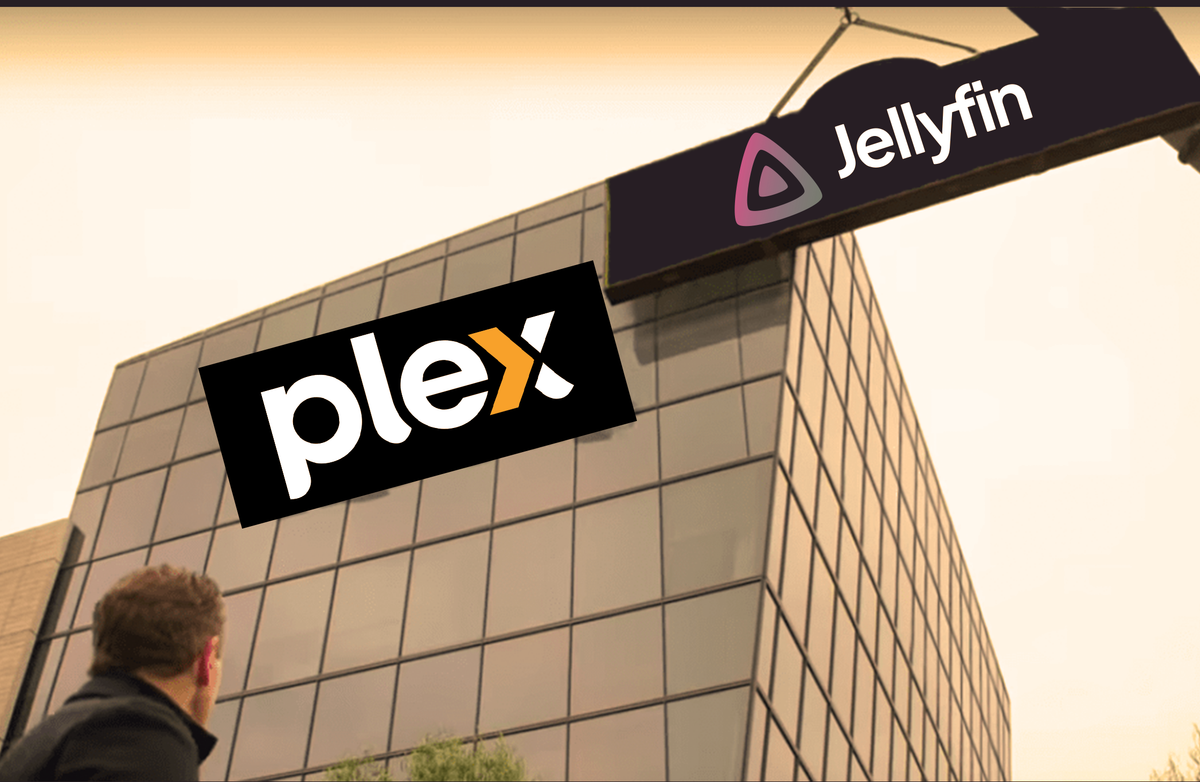
A growing number of Plex users are considering a switch to the open-source platform Jellyfin as the once-simple media server becomes increasingly commercialized. The shift reflects broader frustration with what some now call "the corporate creep" of a service once loved for its simplicity. Discussions on Hacker News have drawn attention to the trend, with comments highlighting user dissatisfaction over Plex's recent changes.
The Changing Face of Plex
Plex began as a lean, friendly tool for organizing personal media libraries. Over time it has added live TV, ad-supported movies and a music streaming service. These additions bring revenue but also bring tracking, data collection and a more intrusive user experience. Users who once trusted Plex with their media now find themselves questioning where the line between service and surveillance lies.
Why Jellyfin Gaining Traction
Jellyfin is a free, open-source media server that offers many of the same core functions as Plex without the commercial overlay. It requires more technical setup but gives users full control over their data and features. Key differences between the two platforms include:
The migration from Plex to Jellyfin requires some effort, including reindexing libraries and setting up remote access manually. For many users, however, the trade-off in simplicity is worth the gain in autonomy.
Why This Matters
This trend signals a broader pushback against the commercialization of digital media tools. Users who once accepted ad-supported services are now actively seeking self-hosted alternatives. If Jellyfin continues to gain users, it could pressure Plex to reconsider its feature roadmap or risk losing its most engaged community. For the average viewer, the shift represents a new calculus: convenience versus control. The decision made today will shape how personal media is managed for years to come.