Editor: Porcia Akua Holmes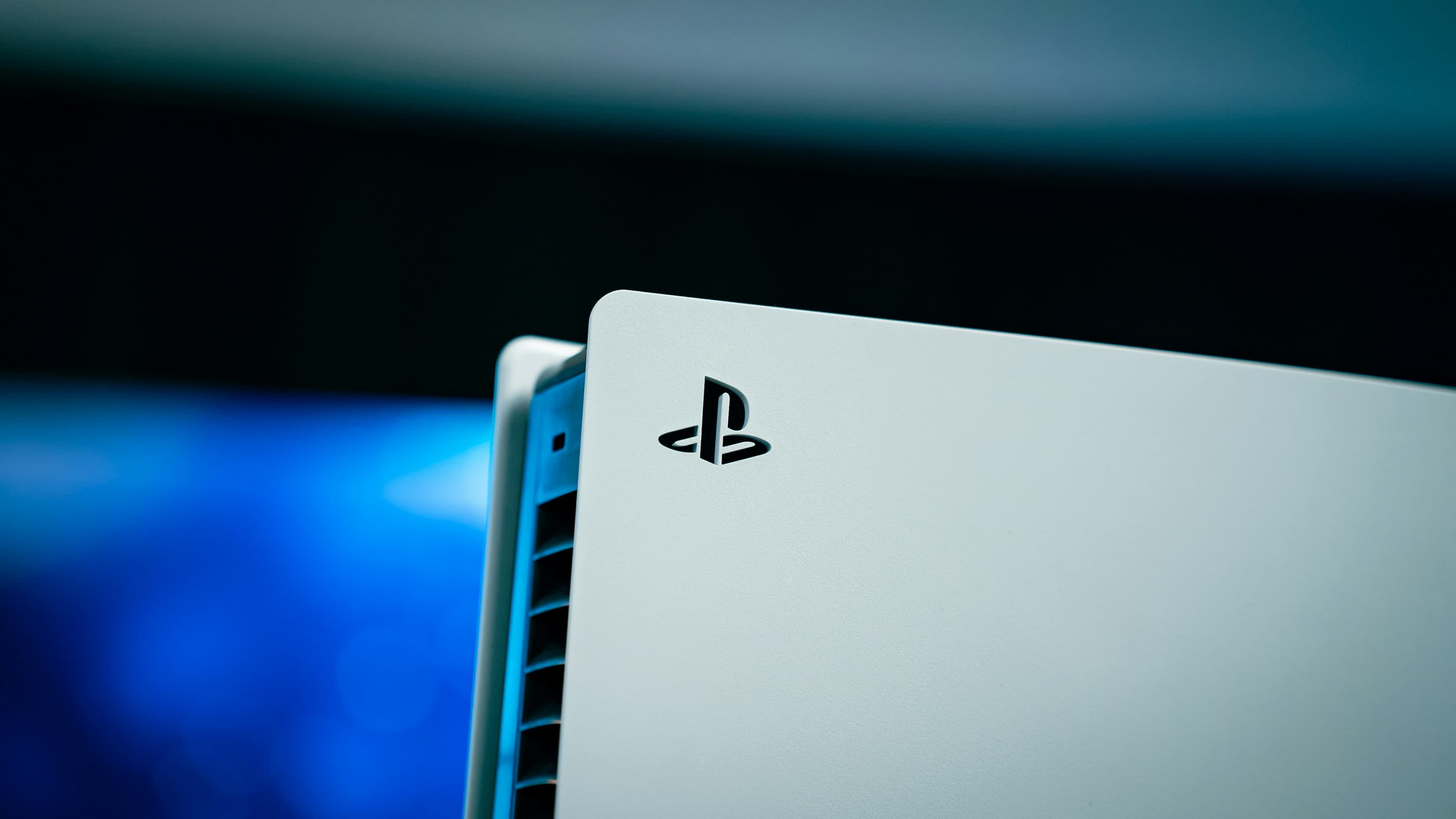
Sony CEO Hiroki Totoki confirmed to The Wall Street Journal that the company has not yet decided on a launch date for its next-generation console, the PlayStation 6. The statement leaves the gaming industry without a firm timeline for the successor to the PlayStation 5, even as leakers have claimed to know the console's potential specs.
The State of PlayStation
The PlayStation 5 has sold more than 60 million units worldwide, making it one of the fastest-selling consoles in histor. Sony launched a mid-cycle refresh, the PS5 Pro, in late 2024, which extended the platform's relevance. CEO Totoki's remarks indicate the company sees no urgency to rush the next generation, preferring to maximize returns on the current hardware and continue building a strong first-party software lineup.
Industry Context and Competition
Microsoft's Xbox division has also been quiet about its next console plan. The two giants traditionally launch new hardware every seven to eight years, but both appear comfortable stretching that timeline. Sony, in particular, has shifted its focus to live-service games, cross-platform releases, and the PlayStation Plus subscription service. A delayed PS6 launch gives Sony more time to align its hardware with evolving gamer expectations and technogical advancements.
What This Means for Gamers
The lack of a firm release window carries several immediate implications for consumers:
Why This Matters
The console market is maturing, and Sony's decision to delay the PS6 reflects a broader industry shift. Longer hardware cycles change how developers plan games and how consumers allocate spending. If Sony waits too long, it risks losing momentum to PC gaming and cloud services. But a well-timed launch with superior technology could solidfy its dominance for another decade. The timing of the PlayStation 6 will be one of the defining strategic decisions of Totoki's tenure as CEO.