Senior Editor: Alan Agbele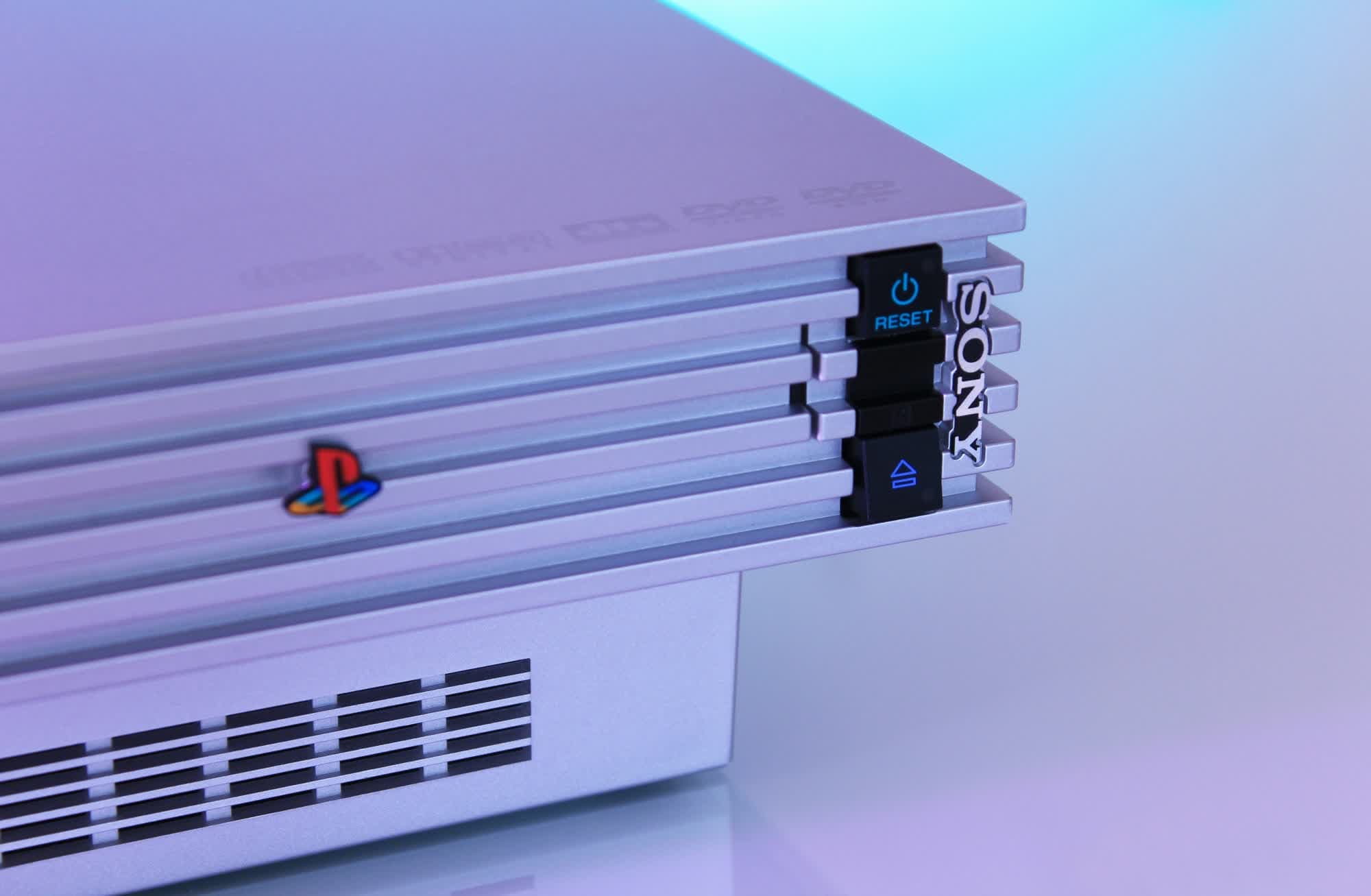
Two and a half decades after its launch, the PlayStation 2's internal security has finally been defeated. A developer going by the name Someone announced the successful dump of the console's MechaCon chip, a tightly guarded component that had resisted reverse engineering since the system debuted in 2000.
The Challenge of MechaCon
Sony designed the MechaCon chip to act as a gatekeeper for the PlayStation 2. It verifies disc region codes, authenticates boot media and manages DVD video playback. Unlike software-based security, MechaCon operates as a separate microcontroller with its own masked ROM, making extraction exceptionally difficult. Previous attempts to read the chip failed because the firmware is protected by hardware fuses and an undocumented instruction set.
Someone, who documents projects under the handle DiscoStarslayer, spent months probing the chip's electrical interfaces and timing patterns. By carefully bypassing the readout protection, they obtained the raw firmware image and began mapping its internal logic.
What the Dump Reveals
The extracted firmware has been shared with the modding community for full documentation. Early analysis shows the MechaCon chip contains a custom 8-bit CPU core, an integrated DVD drive controller and a small amount of on-chip memory. The code handles disc authentication using a challenge-response protocol that was previously only partially understood.
Someone published detailed register maps and dumps of the chip's internal ROM, allowing other engineers to write tools that interact with MechaCon directly. This level of access was previously only available to Sony's own engineers and a few licensed accessory manufacturers.
Why This Matters
The PlayStation 2 remains one of the best-selling consoles ever, with a massive library of games that many players want to preserve and enhance. This breakthrough shifts the balance of power back to the owner of the hardware. Enthusiasts can now develop region-free solutions, improved optical drive emulators and deeper system customizations without relying on trial and error.
For the retro gaming community, the documentation of MechaCon means that existing modchips and softmods can be refined to work more reliably. It also opens the door to emulators that more accurately replicate the console's security layer. The practical effect is a longer, more open life for the PlayStation 2 as a development platform.
On a broader level, the 26-year gap between the chip's creation and its compromise highlights the extreme difficulty of securely masking hardware. It serves as a case study in embedded security longevity and the persistence of dedicated reverse engineers.
Someone's work is ongoing, and the full MechaCon documentation will be published as it is completed. The PlayStation 2's most stubborn secret has finally been revealed.