 Senior Editor: Alan Agbele
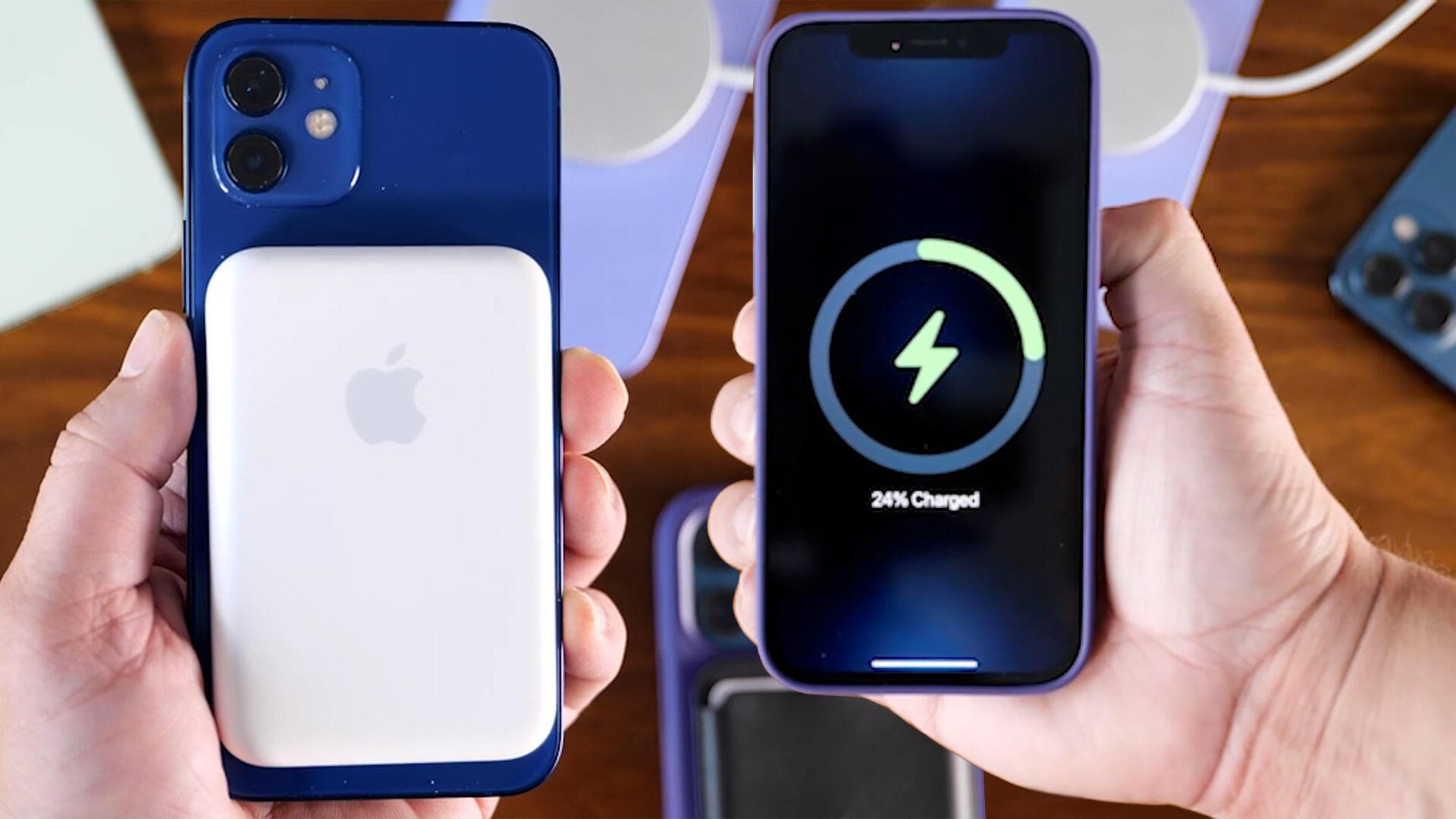
Charging a phone to 100% every night is the default habit for most smartphone owners. It is also one of the fastest ways to wear out a lithium-ion battery. Battery researchers and device makers increasingly point to partial charging as the simplest change users can make to extend the working life of their hardware.
The Chemistry Behind Battery Wear
A lithium-ion battery stores energy by shuttling lithium ions between two electrodes. At high states of charge, the cathode becomes chemically stressed and the electrolyte degrades faster. This produces a buildup that permanently reduces capacity.
Battery engineers describe the effect as a trade-off between usable charge today and capacity tomorrow. Every hour a phone sits at 100% on a charger is an hour its cells spend in the most stressful state they can occupy.
Why Heat Compounds the Problem
Temperature is the second major variable. Charging generates heat, and a phone left on a bed or under a pillow cannot dissipate it. High heat combined with a full charge accelerates the same degradation pathways.
Users who charge overnight on a nightstand in a cool room do less damage than users who fast-charge in a hot car. The chemistry does not distinguish between the two, but the wear rate does.
How Partial Charging Changes the Math
Manufacturers rate batteries in charge cycles, where one cycle equals a full discharge and recharge. Partial top-ups consume a fraction of a cycle, which is why shallow charging between roughly 20% and 80% is widely recommended.
The practical effect is that a phone kept in the middle range can retain more usable capacity after two or three years of daily use. That directly delays the point at which a device needs a battery replacement or an outright upgrade.
These steps do not require new hardware. They require changing a habit that most users adopted without thinking about the chemistry underneath it.
Why This Matters
The stakes extend beyond a single device. Smartphones are replaced on multi-year cycles, and battery degradation is one of the most common reasons consumers upgrade early. Extending cell life therefore has a direct effect on household spending and on the volume of electronic waste generated each year.
Device makers face a parallel pressure. Regulators in several markets are pushing for longer software support and more repairable hardware, which raises the value of batteries that survive several years of use. A user who charges to 80% is, in effect, protecting an asset the manufacturer is now expected to support for longer.
Repair shops and refurbishers also stand to benefit. Healthier batteries mean fewer replacements during a device's first ownership period and stronger resale values in the secondary market. The habit change is small, but its economic footprint runs from the consumer's wallet to the refurbishment supply chain.
What the Advice Does Not Solve
Partial charging is not a cure for a worn cell. Batteries degrade with age regardless of charging habits, and a phone that already holds a charge poorly will not recover through better routines.
Users should also weigh convenience. A phone charged only to 80% delivers roughly a fifth less runtime per session, which matters for heavy users away from a charger. The right balance depends on how long the owner intends to keep the device.
For most people, the sensible approach is to treat 100% as an occasional need rather than a nightly default. The battery chemistry rewards that restraint over the life of the phone.


