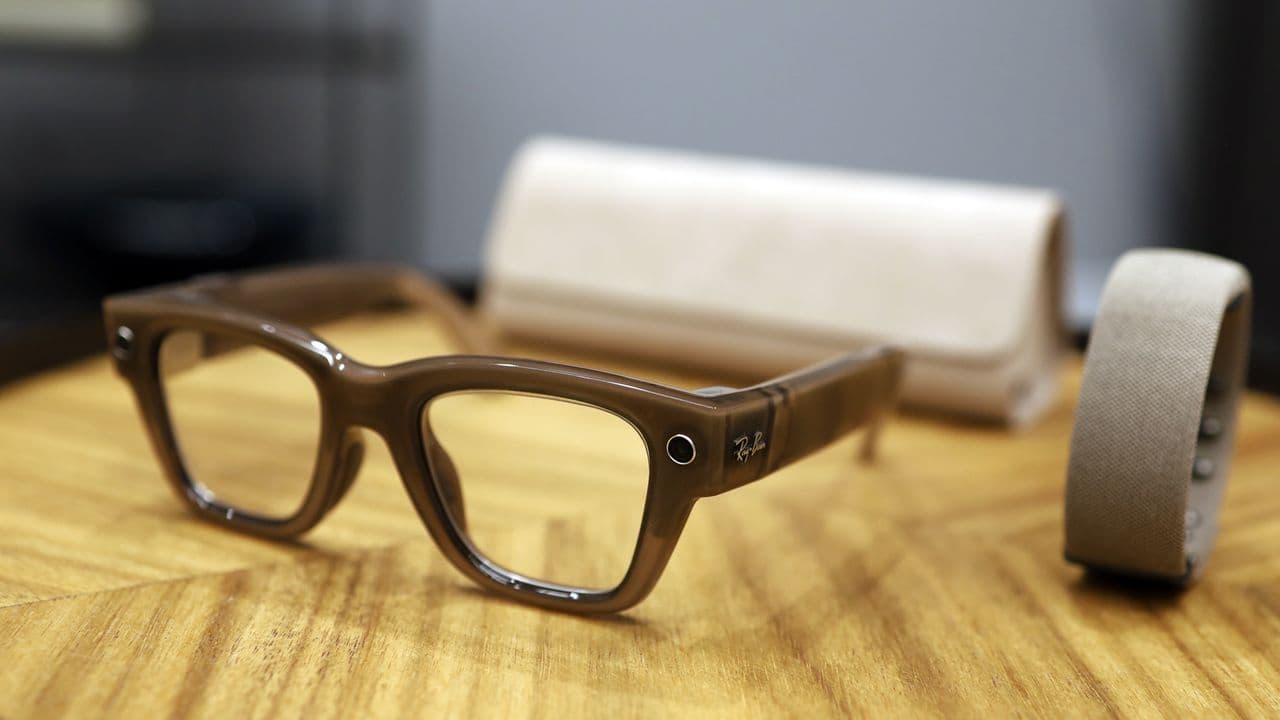
Pennsylvania lawmakers are moving to close a legal gap created by the rise of wearable cameras. A new bill would make it a crime to use smart glasses to record people in private settings without their knowledge. The proposal targets devices like Meta's Ray-Ban smart glasses which can capture video with a hidden camera.
What the Bill Proposes
The legislation would classify unauthorized recording using smart glasses as a misdemeanor. It applies to any private space where a person would have a reasonable expectation of privacy. This includes homes, locker rooms and restrooms. The bill does not target public recordings such as on streets or in parks.
Pennsylvania already has laws against wiretapping and surreptitious recording. But those laws were written before wearable cameras became common. The new bill explicitly names smart glasses and similar devices to remove any legal ambiguity.
Why This Matters
The bill addresses a growing privacy concern as smart glasses become more popular. Wearable cameras make it easy to record someone without a phone or visible device. For everyday users, this means a higher risk of being recorded in private moments without consent. Businesses that sell or promote smart glasses may face stricter rules about how the devices are marketed and used.
The legislation could also set a precedent for other states. If Pennsylvania enacts the law, it may encourage similar action in statehouses across the country. Tech companies like Meta will have to consider how their hardware designs and default settings align with evolving privacy laws.
Balancing Innovation and Privacy
Smart glasses offer clear benefits. They allow hands-free navigation, photography and communication. But the always-on camera capability creates a tension with privacy. The bill attempts to preserve the usefulness of the technology while punishing misuse. It does not ban smart glasses entirely. It only criminalizes the act of recording in private spaces without permission.
This approach reflects a broader trend in technology regulation. Lawmakers are moving away from blanket bans and toward targeted restrictions on specific behaviors. The Pennsylvania bill shows that governments can address privacy risks without stifling innovation entirely.