 Senior Editor: Alan Agbele
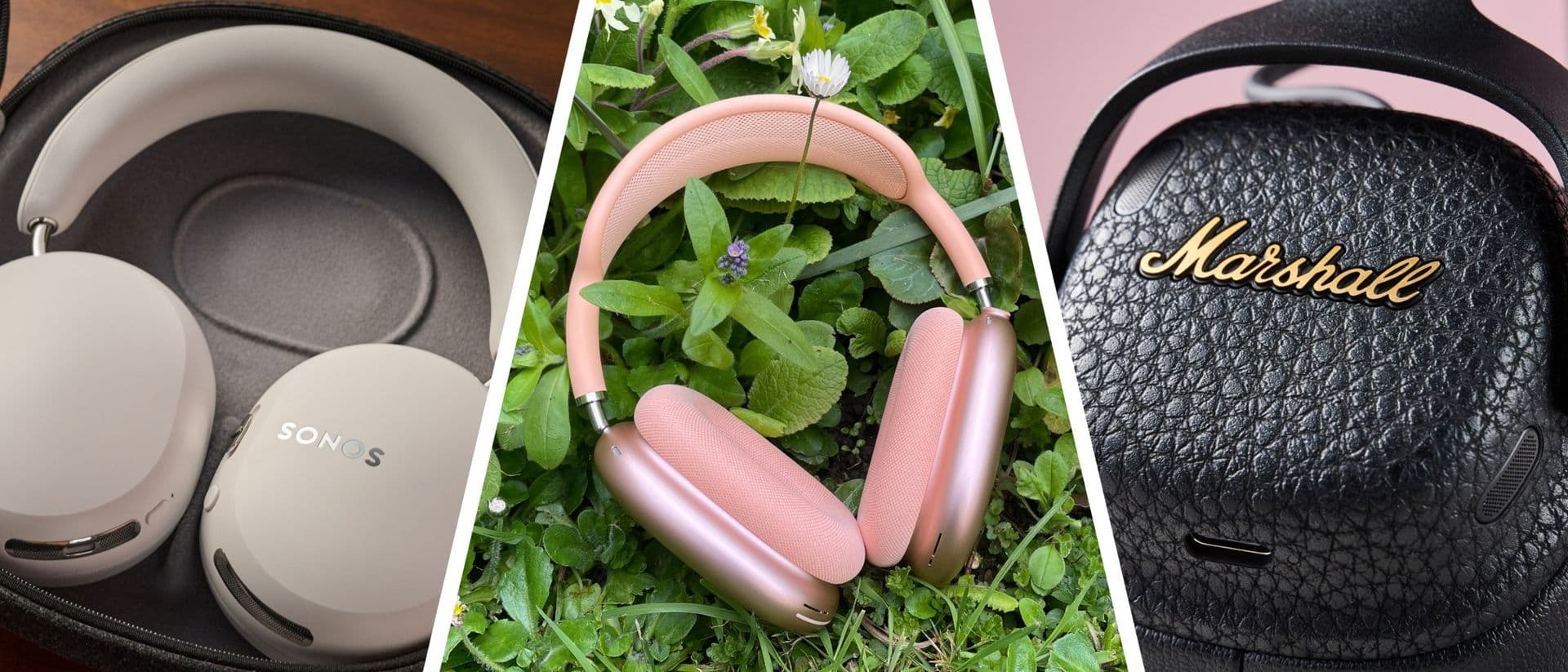
Over-ear headphones had an unusually strong year in 2026, and the models that scored highest in independent testing point to a market shifting toward longer battery life, smarter noise cancellation and more aggressive pricing at the budget end.
The standouts span wired audiophile gear and wireless travel cans alike, with several second-generation models outperforming their predecessors by a wide margin.
Where the Strongest Scores Landed
The highest marks went to a mix of wired and wireless designs. The open-back, wired Heddphone D1 earned top honors for its proprietary driver design, which reviewers described as outperforming audiophile-grade options at three times the price.
For commuters and office users, wireless active noise cancellation models dominated. Two brands that improved dramatically with their second-generation over-ears were Nothing and Sonos.
The Marshall Milton ANC also scored highly, earning praise for incredible comfort, clean and spacious sound, fantastic battery life and an excellent, sustainable design.
Its weaknesses, however, were notable. Reviewers flagged bass that is a little overzealous out of the box, noise cancellation that is a bit limited and the absence of wear detection.
What the Pros and Cons Reveal About Buyer Priorities
Across the top-rated models, a pattern emerges. Battery life and noise cancellation quality separated the leaders from the rest, while comfort and control layout decided the rest of the ranking.
Some models still carried clear trade-offs. The Marshall Milton ANC, for instance, paired excellent design and comfort with limited noise cancellation and no wear detection, a combination that matters for anyone who removes their headphones frequently.
That gap between premium features and missing basics is one of the more revealing findings of the year. Buyers paying top prices increasingly expect wear detection and strong ANC as standard, not as extras.
Why This Matters
The 2026 results suggest the over-ear market is no longer competing primarily on raw sound quality. Battery life, noise cancellation and software features now drive purchase decisions, and brands that lag on any of these risk losing ground even if their audio tuning is excellent.
For buyers, the practical effect is a wider spread of viable options at every price point. Budget models like the OneOdio Focus A1 Pro now deliver sound quality that would have been considered premium a few years ago, which pressures mid-range brands to justify their pricing.
For manufacturers, the message is that second-generation refinement pays off. Nothing and Sonos both improved substantially with their follow-up over-ears, showing that listening to first-generation criticism can translate directly into stronger reviews and, likely, stronger sales.
The coming year will test whether that pattern holds, particularly as spatial audio and adaptive noise cancellation become expected features rather than differentiators.


