 Editor: Porcia Akua Holmes
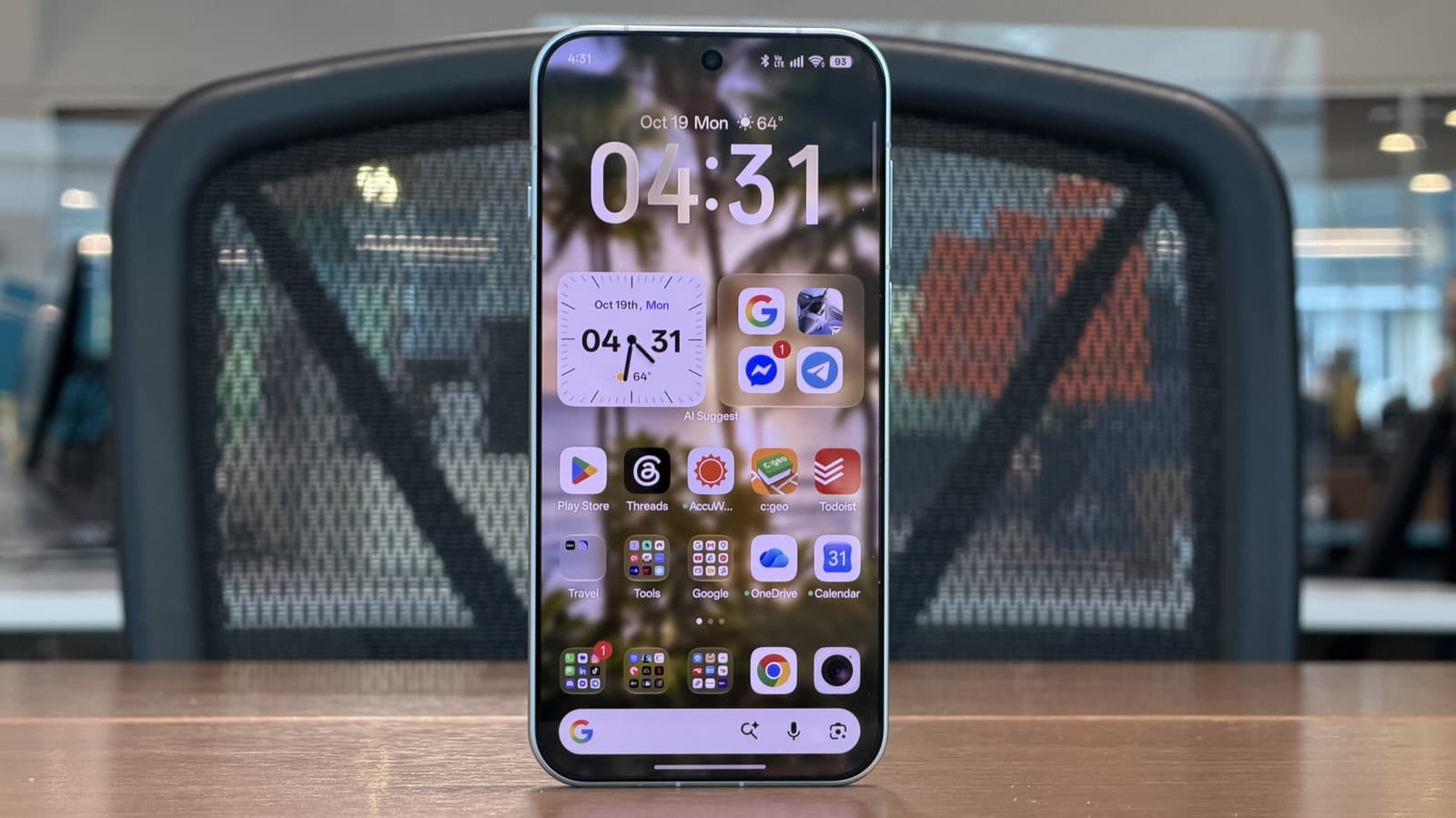
The Oppo Find X10 Pro Max arrives with a teleconverter lens kit and camera hardware that rivals the best Android flagships. Its absence from the U.S. market, however, says more about the state of the smartphone industry than about the phone itself.
A Camera-First Flagship With Add-On Optics
The centerpiece of the Oppo Find X10 Pro Max is its camera system, which the company pairs with a teleconverter lens kit. That accessory extends the phone's optical reach without requiring a separate camera body.
The approach mirrors a wider shift among Android manufacturers. Rather than relying solely on software processing, brands are shipping physical add-ons that change how the hardware captures light.
That strategy carries trade-offs. Add-on lenses can improve image quality, but they also add bulk and cost. Buyers must decide whether the extra reach justifies carrying separate optics.
Why the U.S. Market Remains Off Limits
Oppo has long stayed out of the U.S. smartphone market, and the Find X10 Pro Max does not change that. American consumers cannot buy the device through carriers or major retailers.
The result is a familiar pattern. Some of the most interesting Android hardware ships only in Asia and parts of Europe, leaving U.S. buyers with a narrower set of flagship options.
This gap shapes competition. Samsung and Google face less pressure from Oppo in the U.S., which may slow the pace of camera innovation in the models Americans can actually buy.
Why This Matters
The Oppo Find X10 Pro Max matters less as a single product than as a signal. It shows that flagship camera innovation is increasingly concentrated in markets where Oppo operates, while U.S. buyers see a narrower field.
Consumers in the U.S. are directly affected. Their choice of premium Android phones is smaller, and features like teleconverter kits may arrive later or not at all.
Rivals such as Samsung and Google also face a changed competitive landscape. Without Oppo in the U.S., they can pace their own camera upgrades more slowly.
For Oppo, the calculus is different. Staying out of the U.S. limits volume, but it also avoids the regulatory and carrier hurdles that come with entering that market.
What the Review Verdict Reveals About Global Handsets
The Oppo Find X10 Pro Max Review lands on a familiar conclusion. The phone is a strong Android device with excellent camera capability, yet its appeal is capped by where it is sold.
That tension is not unique to Oppo. Global handset makers increasingly build phones for regional audiences, and the best hardware does not always reach every market.
Buyers outside the U.S. gain access to a camera-focused flagship with add-on optics. Buyers inside the U.S. are left to watch from a distance, which is why the phrase This Is Why America Can't Have Nice Things keeps resurfacing around devices like this.


