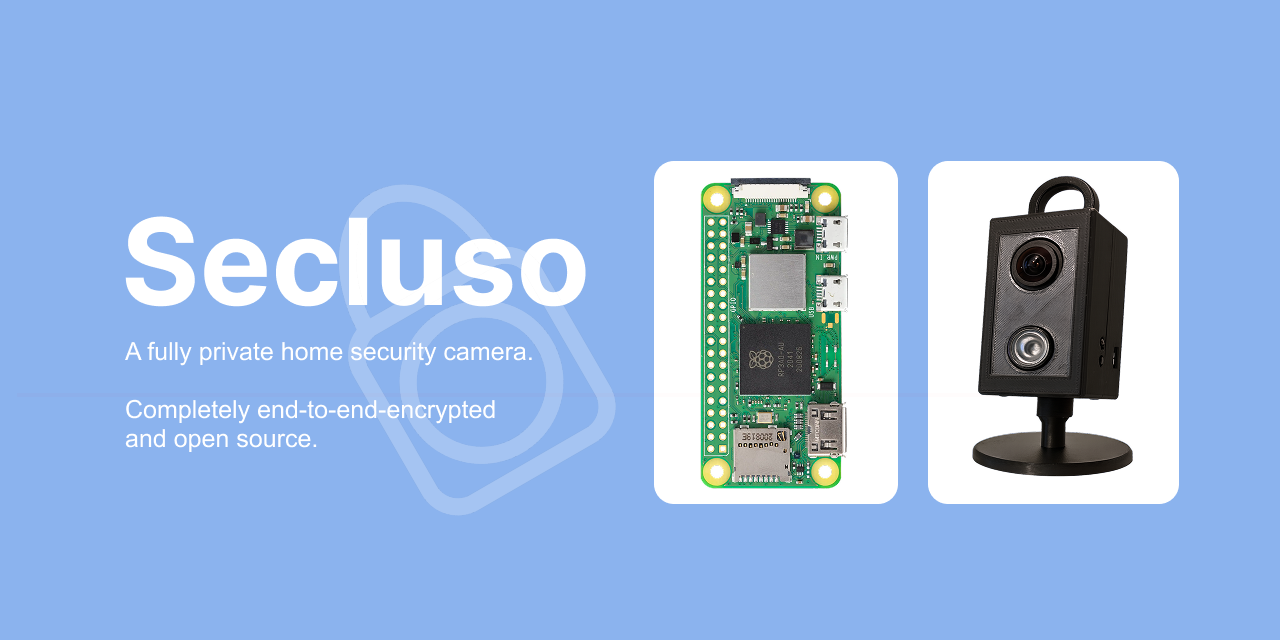
A new open-source home security camera system is challenging the cloud-dominated market by offering end-to-end encryption as a core feature. The project, shared on Hacker News, gives users complete control over their video data without sending it to third-party servers.
Traditional smart cameras often upload footage to cloud platforms for storage and processing. That raises privacy concerns as users must trust companies with sensitive footage. The new system encrypts video at the source and ensures only the owner's device can decrypt it.
A Privacy-First Alternative to Cloud Cameras
Most consumer security cameras rely on cloud subscriptions to store and manage video. This creates potential vulnerabilities in data breaches or unauthorized access by service providers. The open-source approach changes that equation.
The system runs entirely on local hardware. Users set up a camera connected to a private server or single-board computer. All video is encrypted before leaving the camera. The decryption key stays on the user's device. No cloud intermediary ever sees the raw footage.
Developers designed the project to work with off-the-shelf cameras and minimal configuration. The code is publicly available for review, allowing security experts to audit the encryption implementation.
How the Encryption Works
End-to-end encryption means video data is scrambled on the camera itself. The encrypted stream travels over the internet to the user's phone or computer. Only the device with the private key can unlock it.
The system uses standard cryptographic protocols. It does not introduce any proprietary algorithms that could contain backdoors. The open-source nature also means users can build their own clients or modify the server code to suit specific needs.
Key features include live viewing with low latency, motion detection alerts and local recording. All of these operate under the encrypted pipeline.
Why This Matters
Home security is a deeply personal concern. People install cameras to protect their families and property. But those very cameras can become privacy risks if the video feeds are exposed or sold.
This open-source system gives users a way to enjoy smart security without surrendering privacy. It directly addresses growing distrust in cloud-based surveillance products. Anyone with basic technical skills can deploy it. The project lowers the barrier to truly private home monitoring.
The broader implication is a shift toward user-owned infrastructure in the smart home market. As data privacy regulations tighten globally, open-source encryption-first products could become the standard for security-conscious consumers.
Developers and privacy advocates have praised the project for its transparency. The code is available under a permissive license, encouraging contributions and forks. This collaborative model may accelerate adoption among tech-savvy homeowners.