Editor: Porcia Akua Holmes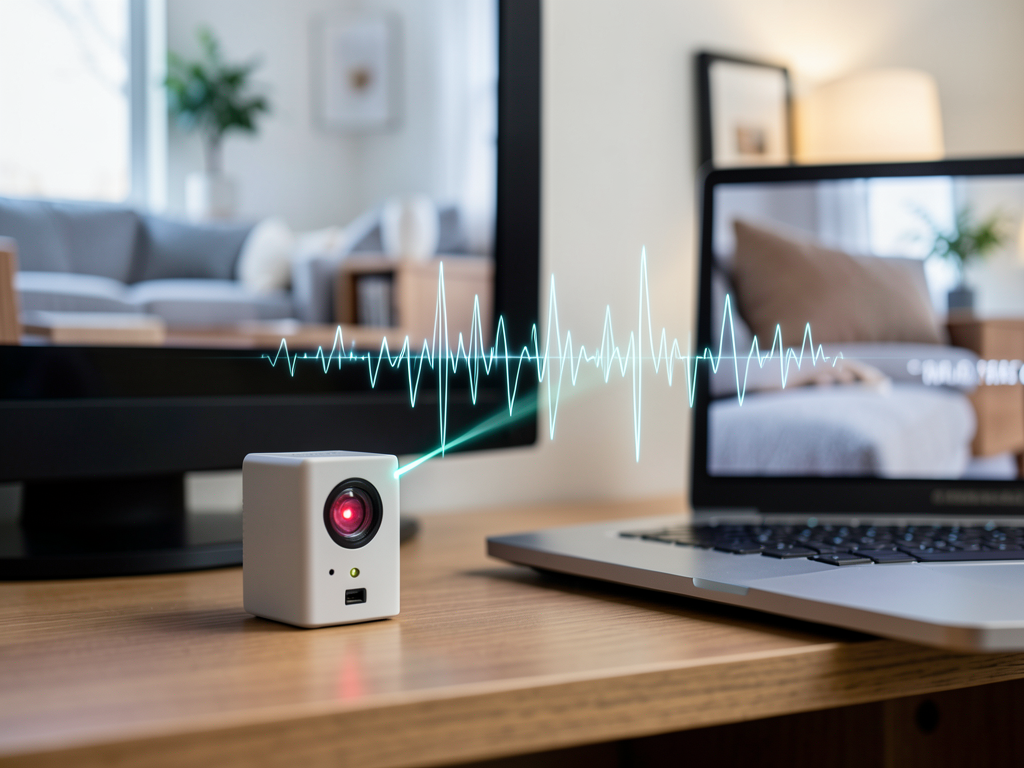
TV viewers frustrated by sudden volume jumps between channels and streaming content now have a new offline remedy. A developer has released an open-source tool called Offline that uses infrared control and real-time spike detection to normalize audio output, eliminating the need for cloud-based processing.
The Volume Problem
Commercial breaks, varying mastering levels and shifting audio codecs can create unpredictable volume swings. Existing fixes like dynamic range compression or cloud-based normalization often introduce latency or require constant internet access. Offline addresses this by staying completely local: no data leaves the user's home network.
Home theater enthusiasts and people with hearing sensitivities have long sought a reliable way to tame volume spikes without sacrificing audio quality. Offline's approach targets this need directly, offering a lightweight alternative to commercial hardware processors.
How Offline Works
Offline couples an infrared emitter with a software spike detection system. The tool listens for rapid audio level changes and sends IR commands to the TV to adjust volume accordingly. Because it runs on a local device such as a Raspberry Pi or a laptop, the entire pipeline remains offline.
Why Offline Processing Matters
Cloud-based audio processors require a stable internet connection and introduce round-trip delays that can desynchronize audio and video. Offline's local processing avoids those problems entirely. Users retain full control over their data, and the system works even during internet outages.
This design also makes Offline suitable for regions with unreliable connectivity or for users who prefer not to route their living room audio through a third-party server. The tool's open-source nature invites community improvements and custom integrations.
Why This Matters
Offline represents a shift toward localized, user-owned solutions for everyday media frustrations. As streaming services proliferate and broadcast standards vary, viewers need tools that adapt to their hardware without compromising privacy or performance. Offline demonstrates that effective volume stabilization does not require a cloud subscription or proprietary hardware — just a simple IR dongle and a capable detection algorithm. For millions of TV watchers tired of juggling the remote during commercial breaks, this approach could offer a welcome respite.