Senior Editor: Alan Agbele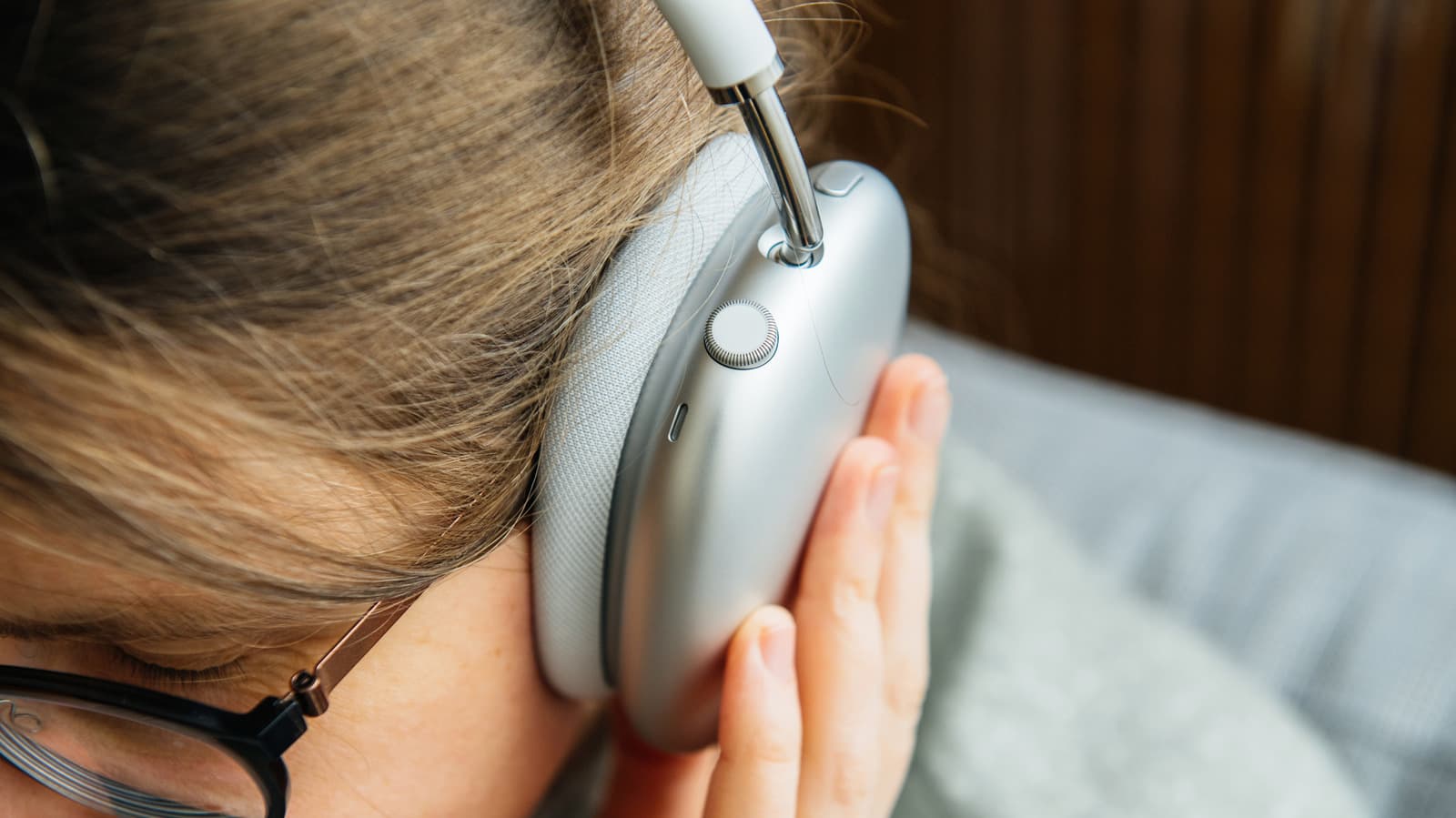
Active noise cancellation has transformed how people listen in noisy environments, but the technology introduces compromises that many users discover only after purchase.
The Engineering Behind Active Cancellation
Active noise cancellation (ANC) relies on destructive interference. Tiny microphones on the headset pick up outside noise, and a digital processor creates an inverted sound wave. The headphone speaker plays this wave, canceling the original noise before it reaches the ear. This process works well for droning sounds from engines, fans or traffic but does little against sudden noises like voices or sirens.
The technology has improved dramatically over the past decade. Modern chips process sound in real time and adapt to changing environments. Many premium models now include transparency modes that pipe in outside sound on demand, blending isolation with awareness.
What Users Sacrifice for Silence
Adopting noise cancellation means accepting several practical drawbacks. Battery life takes a direct hit because ANC circuitry runs continuously. A headphone that lasts 40 hours without cancellation might deliver only 20 hours with it activated. Weight also increases due to extra components, and the sealed design can trap heat during long sessions.
The most commonly cited discomfort is the "cabin pressure" sensation. Some people feel a slight vacuum effect that causes headaches or ear fatigue after extended use. This sensation varies by person and by headphone design, but it is a known limitation of the technology.
Key drawbacks to consider include:
Why This Matters
The noise cancellation market is projected to grow as more people work in shared spaces and commute. The trade-offs, however, are not going away. Users who prioritize all-day comfort may prefer passive isolation, while frequent travelers benefit from the reduced fatigue that ANC provides. The technology also raises questions about hearing health. A person wearing cancelling headphones may increase volume to dangerous levels without realizing it, because ambient noise no longer masks the sound. Manufacturers are adding volume limits and hearing health features. Awareness, however, remains low.
The real choice, however, is not between ANC and nothing. It is between ANC and alternative solutions such as passive noise isolating headphones, wireless earbuds with adjustable seal or simply lowering volume. Consumers should test headphones in person to check for pressure sensation before committing to a premium purchase.
How the Industry Is Responding
Headphone makers are investing in adaptive ANC that adjusts cancellation strength based on environment. Some models now offer multiple levels of cancellation and personalized tuning through companion apps. The goal is to preserve the benefit of silence while minimizing the downsides. Bone conduction and open-ear designs are also emerging as alternatives for users who cannot tolerate sealed ear cups.
Despite these advances, no headphone delivers perfect cancellation without some form of compromise. Understanding the technology behind the silence helps users make informed decisions that match their real-world needs.