Editor: Porcia Akua Holmes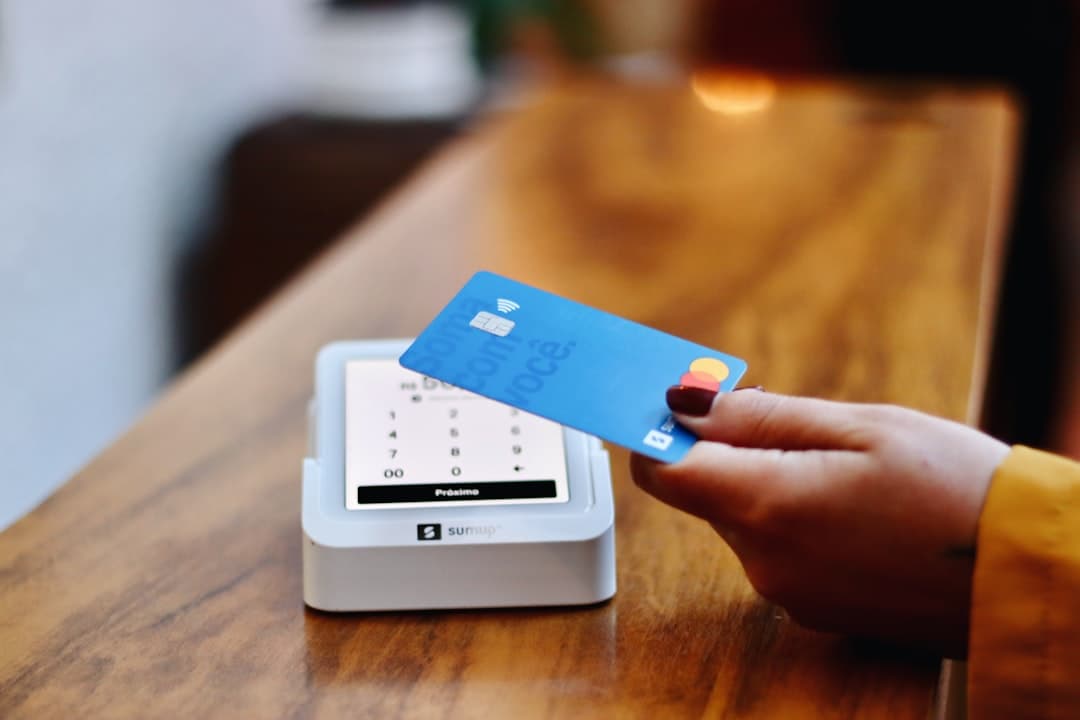
A developer has posted a project on Hacker News under the Show HN tag that reimagines the humble business card. The card, described as an NFC Energy-Harvesting PCB Business Card with an MCU, uses near-field communication to draw power wirelessly from a smartphone or reader. That energy runs a small microcontroller, allowing the card to perform tasks beyond static contact details.
How the Card Works
The card uses a standard NFC antenna coil printed on a PCB. When held near an NFC reader, typically a smartphone, the magnetic field induces a current. That current charges a small capacitor, which then powers an onboard microcontroller. The MCU can store contact information, serve a simple app or change a visual indicator each time the card is tapped.
Key capabilities of the NFC Energy-Harvesting PCB Business Card:
Broader Industry Trends
The project joins a growing ecosystem of battery-free IoT devices. Companies have explored NFC-powered sensors, smart tags and payment tokens, but embedding a general-purpose MCU on a business card is relatively new. It lowers the barrier for engineers to prototype interactive physical objects without worrying about batteries or charging.
The designer shared source files and firmware on Hacker News, inviting others to experiment. This open approach mirrors the maker and hacker community's push for accessible hardware design.
Why This Matters
This concept could change how professionals present themselves at events or meetings. A card that lights up, runs a mini slideshow or connects instantly to a custom webpage creates a memorable impression. More significantly, the underlying technology proves that complex electronics can operate on tiny amounts of ambient energy. For industries like logistics, retail and smart packaging, that capability may lead to cost-effective, disposable interactive labels that require no maintenance.
The Show HN post has already attracted attention from engineers interested in low-power design and NFC innovation. As NFC readers become ubiquitous in smartphones, the potential for this energy-harvesting approach will only grow.