Senior Editor: Alan Agbele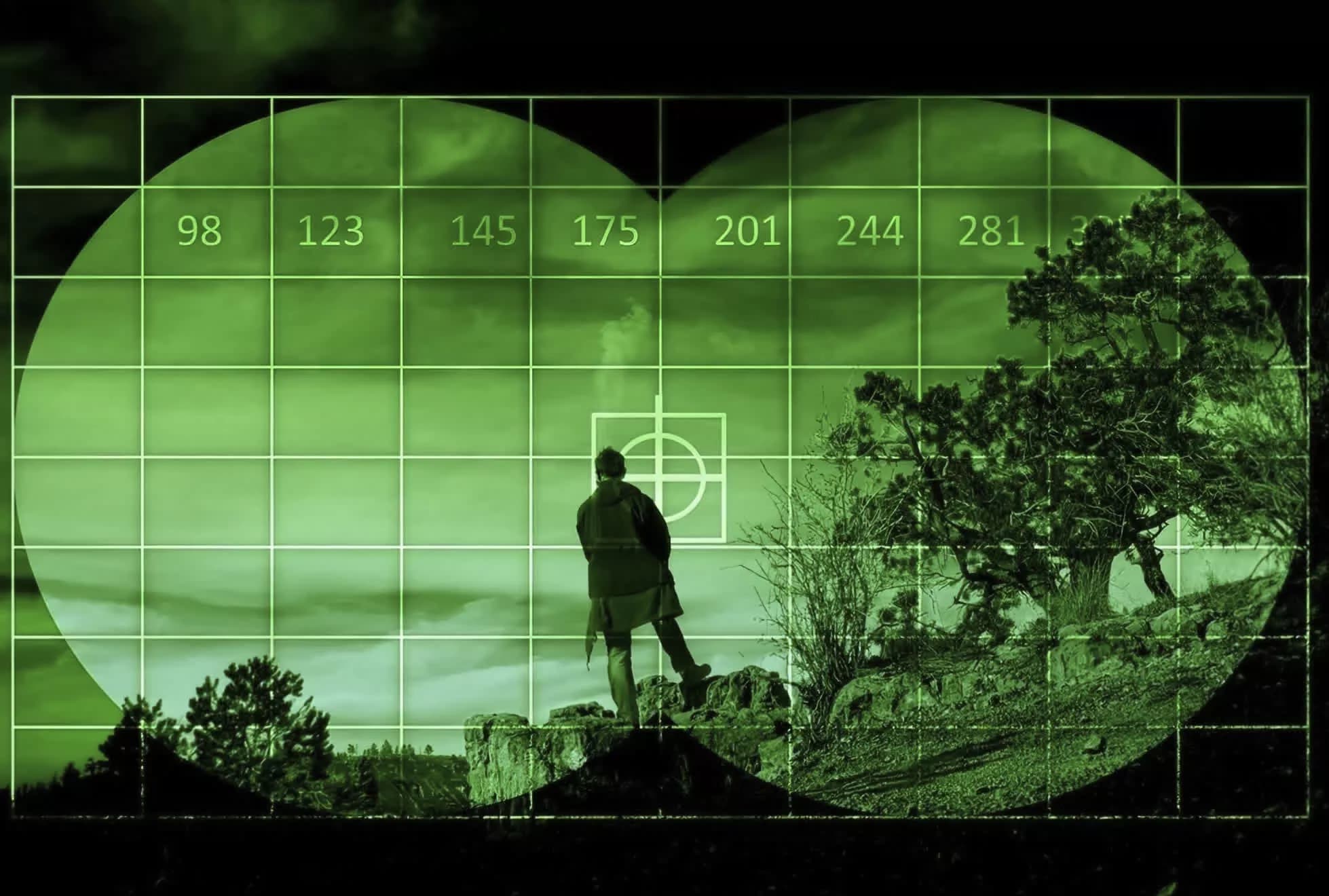
A team of researchers has developed a night vision system that captures images in full color, breaking away from the traditional green-tinted view that has defined low-light imaging for decades. The achievement addresses a long-standing limitation of conventional infrared imaging, which typically renders scenes as monochrome brightness variations. That distinction is key to understanding why this development matters beyond the lab.
The Science Behind the Shift
Conventional infrared detectors sense a broad range of wavelengths but lack the spectral resolution to distinguish colors. Scientists built the new system by combining specialized optics with computational algorithms that reconstruct full-color scenes from multiple narrow wavelength bands. That approach allows the sensor to differentiate between, say, green foliage and a red jacket in complete darkness. The researchers published their results in a peer-reviewed journal, confirming that the color reproduction remains accurate under various low-light conditions.
The hardware consists of a layered filter array and a sensitive image sensor, paired with a neural network trained to map raw spectral data to realistic colors. Unlike earlier attempts that produced washed-out or artificial tones, this method yields natural-looking results. That capability sets it apart from conventional systems and opens the door to practical applications.
Real-World Gains
Why This Matters
The military, law enforcement and consumer electronics sectors all stand to benefit from full-color night vision. Soldiers could better distinguish allies from threats in complex terrain. Wildlife photographers could capture nocturnal animals with natural hues instead of artificial green. For the broader market, this technology could trickle down to smartphone cameras and dash cams, making nighttime photography more useful. That transition, however, will require miniaturization and cost reduction. The researchers have not announced a licensing deal or production timeline, but the proof of concept suggests commercial prototypes could appear within a few years.
The shift from monochrome to color represents more than an aesthetic upgrade. It adds a layer of information that human vision uses instinctively to interpret scenes. As sensors become smarter and algorithms more efficient, full-color night vision may become the new standard rather than a luxury feature.