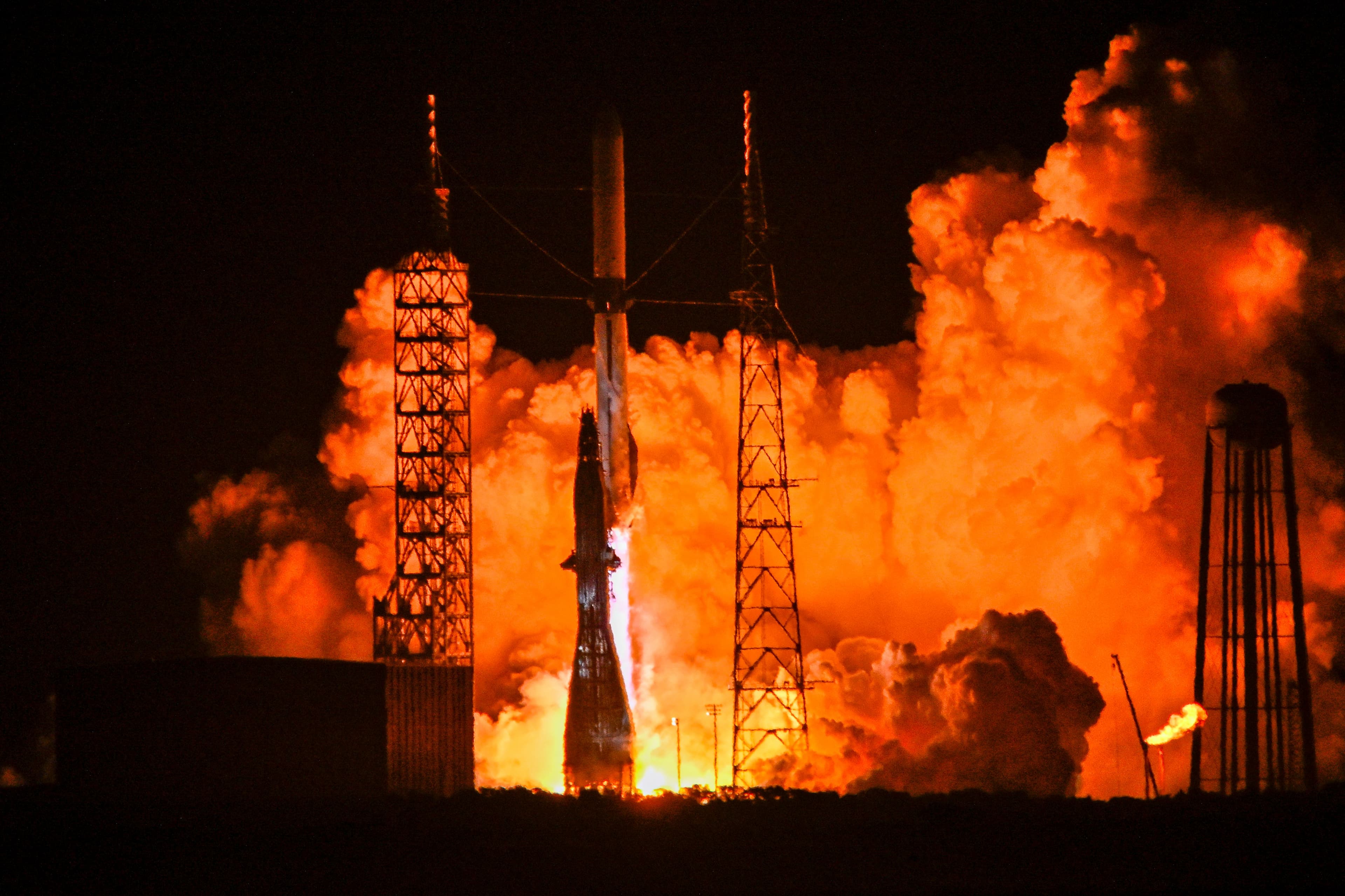
Blue Origin suffered a major setback Thursday when its New Glenn rocket exploded during a pre-launch test at Cape Canaveral, Florida. The detonation produced a massive fireball visible for miles, raising serious questions about the company's path to orbit.
No injuries were reported. The accident occurred during a static fire test, a routine procedure where engines are ignited while the rocket remains anchored to the ground. The cause of the explosion is under investigation.
What Happened
The New Glenn rocket, named after astronaut John Glenn, is Blue Origin's heavy-lift vehicle designed to compete with SpaceX's Falcon 9 and Falcon Heavy. The company had been preparing for an uncrewed orbital flight later this year. Thursday's explosion destroyed the rocket and damaged the launch pad infrastructure.
Witnesses described a sudden burst of flame followed by a thunderous roar. Debris scattered across the launch site. The fireball climbed hundreds of feet into the air before dissipating.
Impact on Blue Origin's Timeline
This failure is a significant blow to Blue Origin's ambitions. The company has spent years developing the New Glenn rocket, aiming to break into the lucrative satellite launch market. The explosion will likely delay the first orbital flight by months or longer.
Blue Origin has contracts with NASA, the U.S. Space Force and commercial customers. Those partners now face uncertainty about launch schedules. The company may also need to rebuild the lost hardware, a process that could cost tens of millions of dollars.
Why This Matters
The New Glenn rocket represents Blue Origin's bet on heavy-lift launch capability. Without it, the company remains reliant on its smaller New Shepard suborbital rocket, which cannot reach orbit. The explosion directly affects customers who paid for satellite launches, including telecom firms and internet providers.
For the broader space industry, this setback reinforces the difficulty of rocket development. Even well-funded programs face catastrophic failures. It also gives SpaceX, the dominant launch provider, an extended window of market leadership.
Blue Origin, founded by Jeff Bezos, has deep pockets. But repeated delays and now a fiery explosion erode confidence. The company must regroup quickly or risk losing its place in the commercial launch race.
Broader Implications
Space launch accidents are rare but not unprecedented. SpaceX lost a Falcon 9 on the pad in 2016. Virgin Orbit's LauncherOne failed in 2023. Each incident forces the industry to reexamine safety protocols and engineering practices.
The Federal Aviation Administration will lead the investigation. Blue Origin must submit a mishap report before flying again. The company's next steps will be closely watched by investors and customers alike.