Editor: Porcia Akua Holmes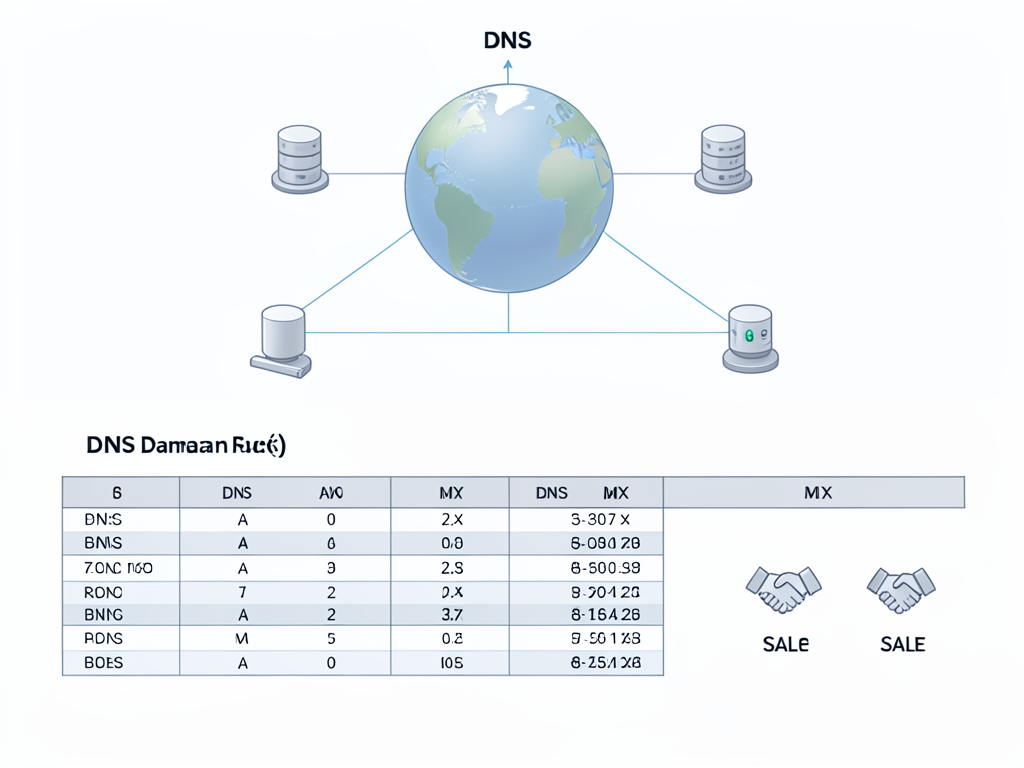
The Domain Name System is getting a new capability that could change how domains change hands. A proposed DNS resource record allows domain owners to publicly indicate that their domain is for sale, directly through the DNS infrastructure. The development, which has been submitted as an Internet Engineering Task Force draft, aims to make the domain aftermarket more transparent and efficient.
Technical Architecture of the SALE Record
The proposed SALE record is a new DNS resource record type that works alongside existing records like A, MX, and TXT. It stores structured data about a domain's sale status, including an optional asking price, preferred contact method, and a link to a landing page. The record is published in the zone file just like any other DNS record, making the information globally accessible without intermediaries.
The IETF draft specifies that the record is optional and does not affect normal DNS resolution. Browsers and email servers will ignore it, while domain marketplaces and buyers can query it directly.
Impact on the Domain Aftermarket
The domain aftermarket is currently fragmented. Owners list domains on multiple platforms, each with different fees and policies. A universal DNS record removes the need for centralized listings. Buyers can query any domain's SALE record in real time, creating a single source of truth for availability.
Domain investors stand to benefit from reduced listing costs and broader exposure. Registrars may need to adapt to support the new record type in their management interfaces. The proposal could also reduce fraud by providing a verified method for owners to declare intent to sell, tied directly to their DNS control.
Why This Matters
This proposal shifts power from marketplace intermediaries back to domain owners. If widely adopted, it could commoditize the domain listing process, driving down fees and increasing competition among aftermarket platforms. For businesses and individuals seeking to acquire domains, direct DNS-based discovery reduces friction and reliance on opaque pricing models. The success of the SALE record depends on IETF approval and support from major DNS software providers and registrars. But the concept alone signals a long desired move toward greater transparency in the domain industry, one that aligns with the decentralized ethos of the internet.