Editor: Porcia Akua Holmes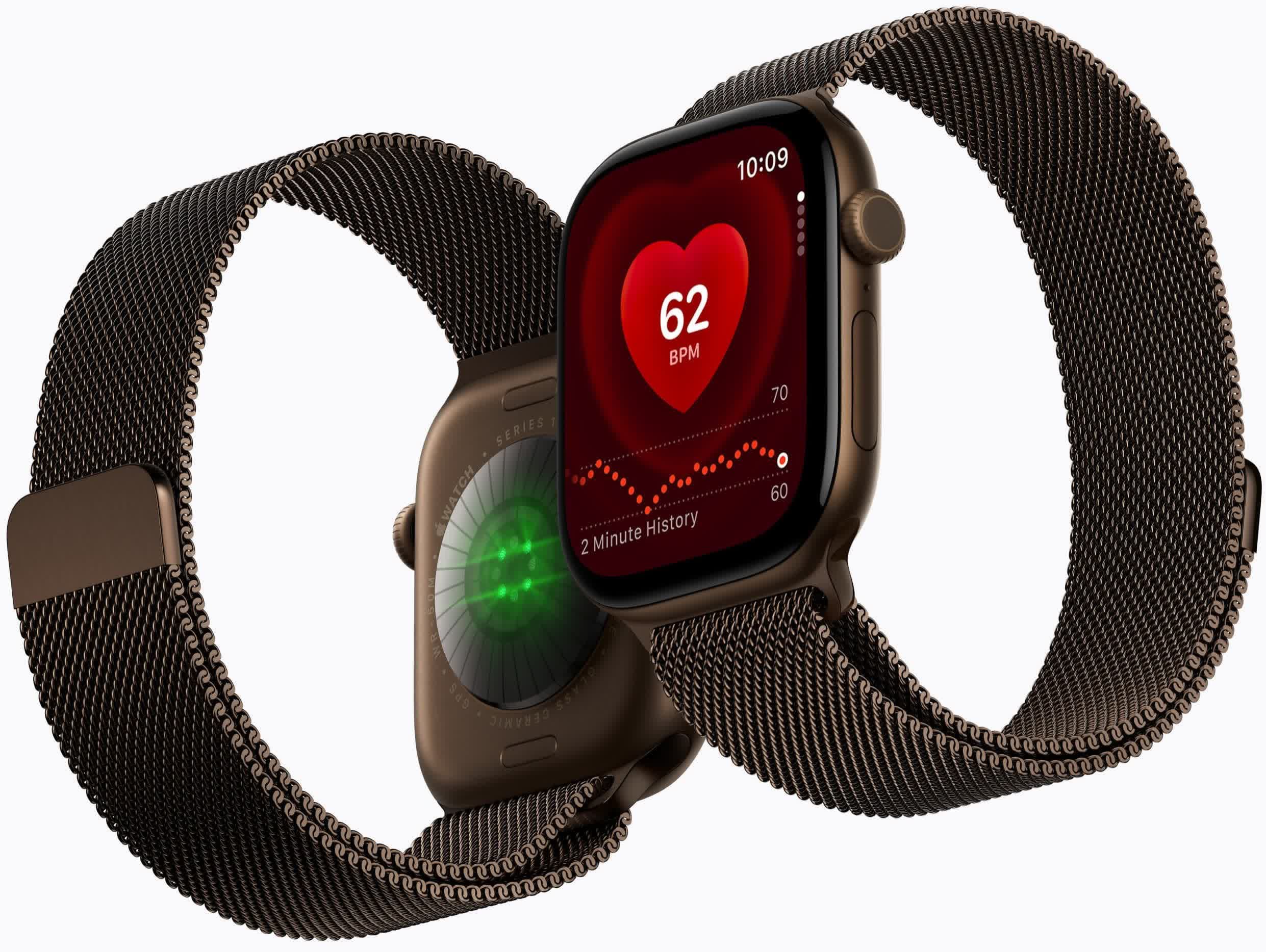
Apple has given its latest wearables a capability that redefines their role beyond fitness tracking. The company this week opened preorders for the Apple Watch Series 12 and Apple Watch Ultra 4 with a feature called Audio Intelligence. It uses Siri's upcoming artificial intelligence enhancements to listen, analyze and transcribe what the watch hears.
How Audio Intelligence Works
The system relies on the watch's built-in microphone and the same chip powering Siri's language models. Audio Intelligence can pick up speech in the user's environment, convert it to text and surface highlights without requiring an internet connection.
Privacy as a Differentiator
Apple has long positioned itself as a guardian of user data, and Audio Intelligence reinforces that message. The company states that no raw audio recordings are saved or uploaded. Processing stays local, unlike many smart home assistants that rely on cloud analysis.
Users, however, must still grant permission before the watch begins analyzing audio. A visible indicator shows when the microphone is active, reducing the risk of surreptitious listening. This approach may appeal to professionals who attend meetings or lectures and want a discreet transcription tool without trusting a third-party service.
Why This Matters
With Audio Intelligence, the Watch enters a new category of personal environmental computing. For the first time, millions of users will carry a device that can continuously interpret everyday conversation while keeping that data locked on their wrist. This changes expectations around privacy because the line between helpful listening and constant surveillance becomes thinner.
Competitors such as Samsung and Google have added similar AI features to phones but have yet to bring them fully to wearables. Apple's early move could force rival watch makers to accelerate their own on-device audio capabilities while also matching its privacy promises. For consumers, the real test will be whether they trust a wrist-worn listener enough to leave it activated all day.
Market Timing
The launch arrives as regulators in Europe and the United States tighten rules around biometric data collection. By processing everything on the device, Apple sidesteps many of the compliance hurdles that cloud-based services face. That design choice could make the Apple Watch Series 12 and Apple Watch Ultra 4 attractive to enterprise buyers who require strict data governance.
Both models begin shipping September 18, with preorders available now. The base model starts at $399, while the rugged Ultra edition costs $799.