Senior Editor: Alan Agbele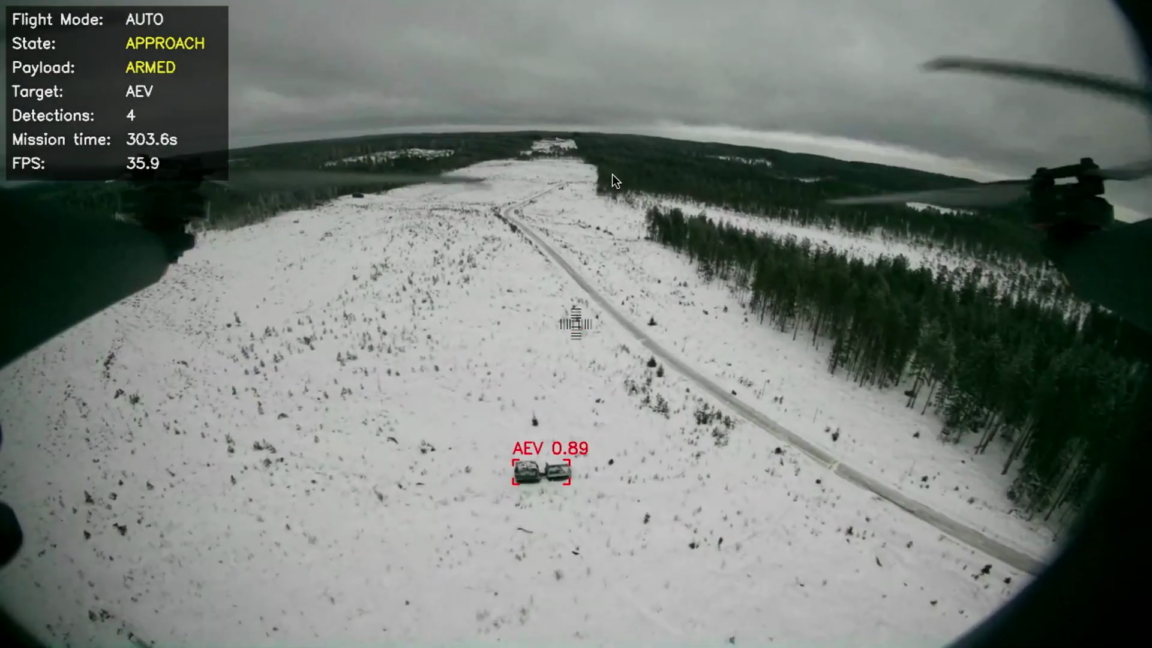
A NATO-backed startup has adapted Small AI models to operate on drones, giving them the ability to autonomously identify and attack battlefield targets. The technology marks a pivotal integration of machine learning into real-time combat operations, reducing reliance on remote human control.
Why This Matters
The ability to run Small AI on drones transforms how militaries conduct surveillance and strikes. Speed becomes decisive: a drone can process sensor data and act without waiting for human authorization. This autonomy could reduce response times from minutes to seconds. For NATO allies, it offers a tactical edge. The technology, however, raises profound questions about accountability when machines make lethal decisions.
How Scaleout Systems Pivoted to Defense
Founded in 2018, Scaleout Systems focused on deploying machine learning on edge devices in commercial vehicles. The founders saw an opportunity after Russia's invasion of Ukraine. "We realized that this technology can be very important to operationalize edge data and sensor data for machine learning," said Andreas Hellander, CEO. The company now works with NATO to integrate its systems into drones for reconnaissance and attack missions.
Implications for Future Conflicts
The deployment of Small AI on drones signals a new phase in warfare where machine autonomy plays a central role. As other nations develop similar systems, the nature of conflict may change. The war in Ukraine has already demonstrated the effectiveness of drones; adding autonomy could accelerate that trend. Scaleout Systems is positioned at the forefront of this shift, backed by NATO and driven by real-world battlefield demands.