Editor: Porcia Akua Holmes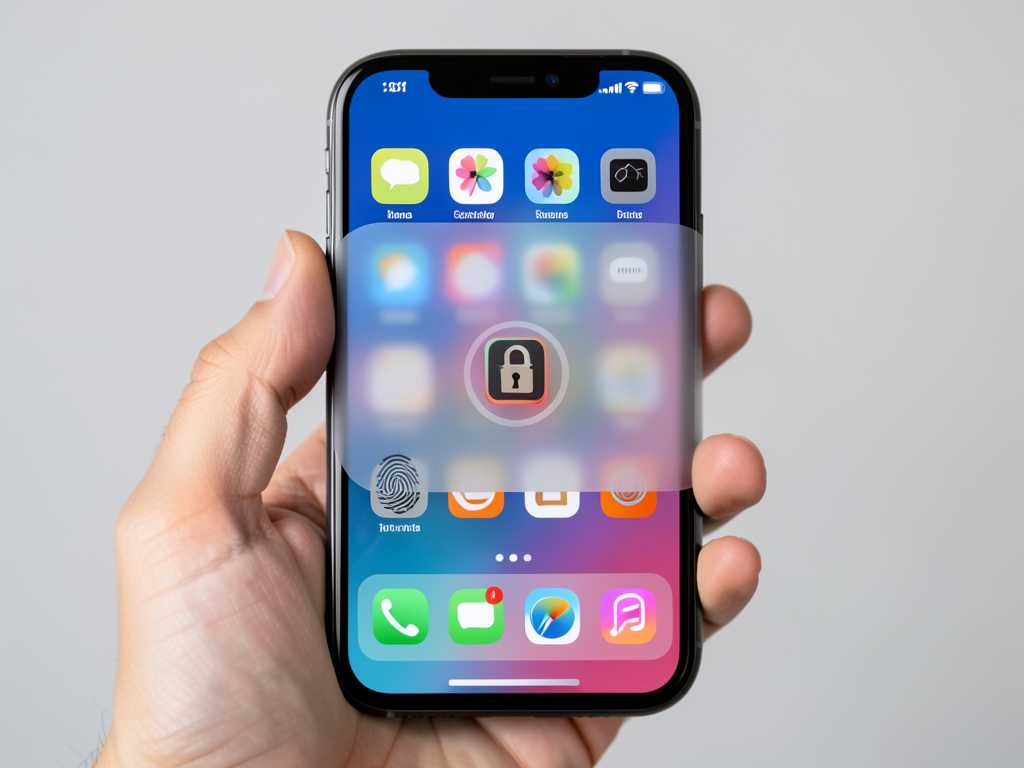
Google has embedded a native application locking capability directly into Android's latest iteration. The newest QPR2 beta for Android 17 introduces a built-in app lock, allowing users to restrict access to sensitive applications without downloading separate software packages.
How the System-Level Block Works
The lock engages when an app is opened and requires biometric or passcode verification before displaying content. Unlike many third-party solutions, Lock It Up operates within Android's secure environment without requesting invasive permissions. Early testers report the feature integrates seamlessly with the interface.
Why Google Took This Approach
Third-party app lockers have long existed on the Play Store but often carry significant downsides. Many drain battery life by running constant background services and some pose their own privacy risks by accessing personal data. By shipping a solution baked into the operating system, the company eliminates those trade-offs while maintaining consistency across devices. The latest QPR2 beta introduces this capability as part of a broader push to harden default security postures.
Why This Matters
The arrival of a first-party app lock changes how everyday users protect private conversations, banking tools and health records. Previously, anyone wanting that safeguard had to evaluate dozens of third-party options, each with varying trustworthiness. Now the barrier drops to near zero, which may reduce exposure to malware disguised as privacy tools. For enterprise IT administrators, this development also simplifies policy enforcement because the underlying mechanism draws on Android's verified boot chain and hardware-backed authentication.
The change signals that Google views granular app-level access control as a core expectation, not an add-on. If widely adopted, competitors may follow suit, pushing the entire mobile ecosystem toward stronger default protections. Consumers ultimately benefit from fewer friction points between usability and safety.