Editor: Porcia Akua Holmes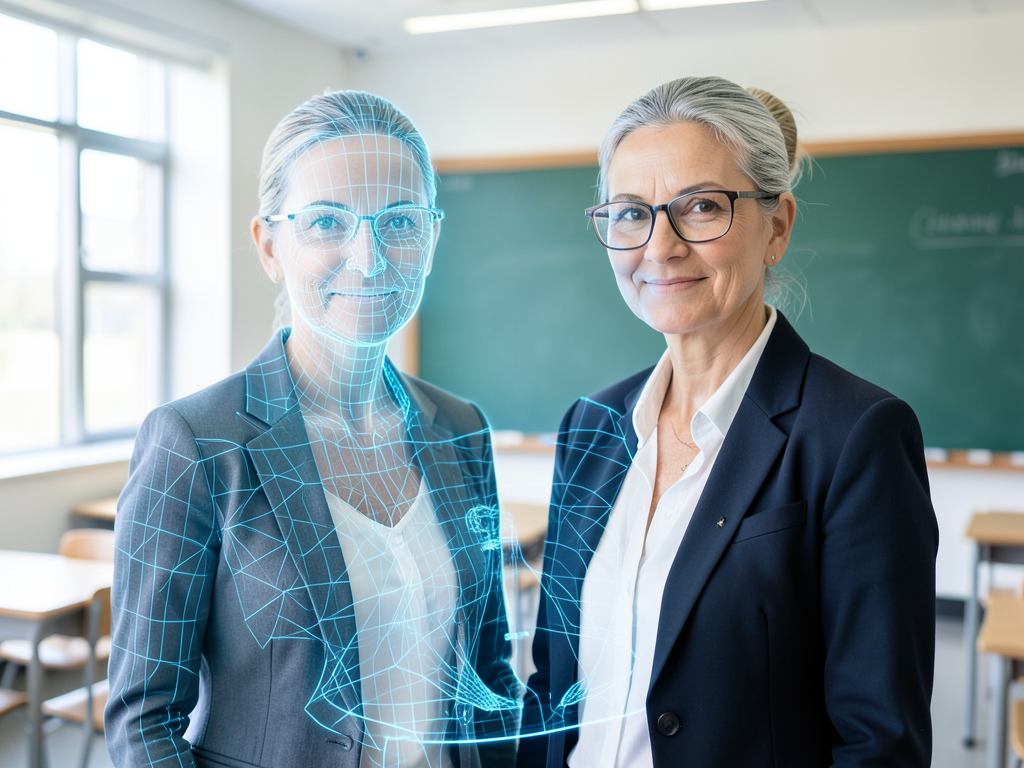
Napster is back, and it wants to digitally clone teachers once and for all. The company once synonymous with music industry disruption is now targeting classrooms with an artificial intelligence platform designed to generate lifelike digital avatars of real instructors.
From Music Piracy to AI Avatars
Napster’s pivot is unexpected but not entirely out of character. The brand built its reputation on shaking up established industries. Now it is applying that same disruptive energy to education. Instead of songs, the platform processes hours of classroom footage to train a custom model for each educator.
The resulting avatar can replicate the teacher’s voice, facial expressions and teaching style. Students can interact with the clone through a web interface or mobile app, asking questions and receiving personalized feedback outside normal school hours.
How the Technology Operates
The cloning process begins with a multi-day recording session. Teachers wear a microphone and sit in front of a camera while delivering lessons across their usual subjects. Napster then feeds the audio and video into a proprietary neural network that learns patterns in speech, gesture and pacing.
Why This Matters
The shift carries significant consequences for educators and their unions. If the avatars prove effective, schools could reduce reliance on human substitutes or extend a single teacher’s reach to hundreds of students simultaneously. That prospect alarms teacher groups who see it as a threat to collective bargaining and classroom jobs.
On the other hand, proponents argue the tool could ease teacher burnout by handling routine queries and remediation. Napster claims its system is designed to complement human teachers, not replace them. District administrators facing staffing shortages may find the tradeoff attractive, especially in rural areas where recruiting certified teachers is difficult.
Privacy and Trust Hurdles
Recording and storing detailed biometric data from children and educators invites scrutiny under existing privacy laws such as FERPA and COPPA. Napster says it encrypts all recordings and deletes raw video within 30 days of training completion. Critics remain skeptical given the company’s history of running afoul of legal boundaries during its file-sharing era.
Several pilot partners have yet to be publicly named, but Napster indicates it is in talks with three mid-sized districts in the Midwest. The first full deployments are expected in early 2026.