Senior Editor: Alan Agbele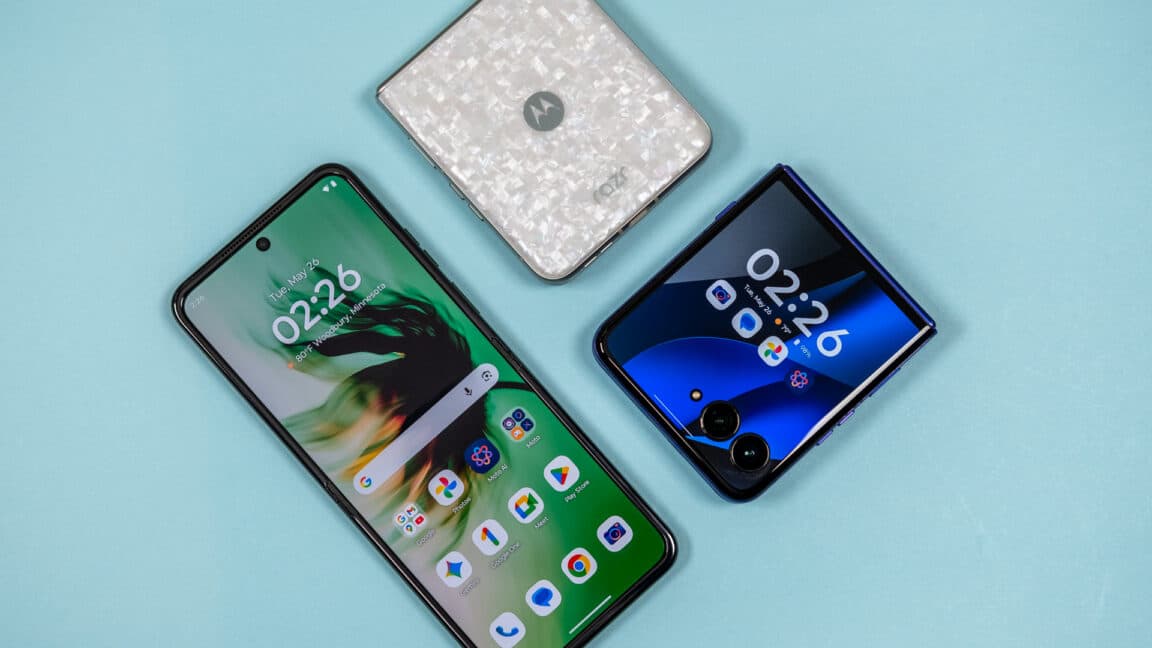
Motorola’s 2026 Razr flip phones are among the most visually striking smartphones on the market. Bold colors, unique textures and a compact clamshell design give them an unmistakable identity. But beneath the polished exterior lies a familiar compromise. These foldables cost more than traditional flat phones while offering weaker processors, smaller batteries and middling cameras.
For years, the Razr name has carried nostalgic weight. The new models lean heavily into that heritage with Pantone certified colorways and playful features like a desk clock display and mini apps on the outer screen. The camcorder camera mode adds a quirky touch. These are phones built for vibes, not specs.
The Design First Approach
Motorola knows what a Razr means to consumers. The flip form factor is inherently more interesting than a slab of glass. The 2026 models push that appeal further with textured finishes and a hinge that feels satisfying to open and close. The outer display supports widgets and shortcuts, reducing the need to flip open the phone for simple tasks.
All this makes the Razr a conversation starter. It stands out in a sea of identical black rectangles. But the question remains: is the design enough to justify the price premium?
Where the Razr Falls Short
Under the hood, the 2026 Razrs pack midrange components. The chipset lags behind flagship competitors from Apple and Samsung. Battery life is adequate but not class leading. The camera system takes decent photos in good light but struggles in low light conditions. These are not the kinds of trade offs most buyers expect when spending over $1,000.
Motorola’s software experience is close to stock Android, which some users prefer. But the company’s update track record has been spotty. The Razr may not receive as many major OS upgrades as a Pixel or Galaxy device. That matters for longevity.
Why This Matters
Smartphones are no longer discretionary purchases for most people. They are essential tools for work, communication and daily life. Choosing a phone that prioritizes aesthetics over performance means accepting real compromises. The Razr’s design appeal may sway buyers who value expression and uniqueness. But those who need reliable performance, long battery life and strong cameras may find better value elsewhere.
The broader trend matters too. Motorola is betting that foldable design can carry a premium even without top tier internals. If the Razr succeeds, other manufacturers may follow suit. If it fails, it could reinforce the idea that foldables remain a niche experiment.
For now, the 2026 Razr is a beautiful object that asks buyers to overlook its shortcomings. That is a big ask in a market where every dollar counts.