Editor: Porcia Akua Holmes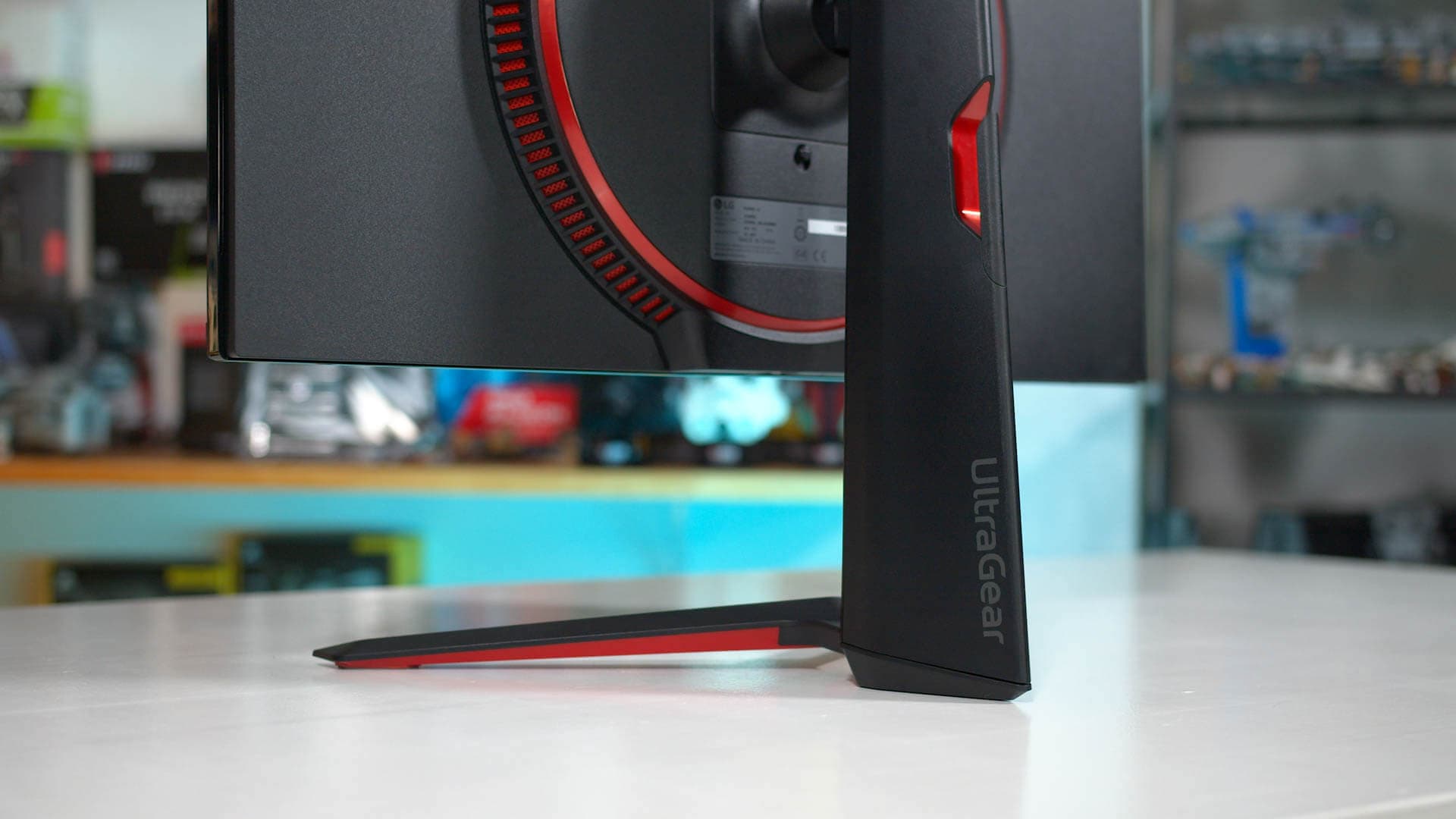
A Reddit user discovered that an LG monitor had installed McAfee adware on a Windows PC without permission. Further investigation revealed that Alienware monitors behave similarly. The software triggers pop-up ads even on systems that never downloaded McAfee directly, raising immediate concerns about trust and privacy.
How the Adware Made Its Way Onto PCs
The issue first gained attention when Redditor Mags_Smash traced persistent McAfee pop-up ads to software installed by a new LG monitor. The monitor's driver package included a McAfee component that activated without explicit user approval. Similar reports soon emerged from Alienware monitor owners, indicating a broader pattern within Dell's gaming division.
These driver packages are typically downloaded from the manufacturer's support site or delivered through Windows Update. Neither LG nor Alienware clearly discloses that the driver includes extra software. Users who accept default installation settings end up with McAfee running in the background, generating periodic ads.
Bundling Goes Beyond Laptops
Pre-installed bloatware has long plagued laptops from brands like Dell and HP. Monitors, however, were largely immune. This discovery expands the problem to peripherals that users expect to work without intrusive software. The driver model on Windows makes it easy for hardware makers to slip in third-party programs under the guise of essential updates.
The move also benefits McAfee, which gains new installations without the cost of direct marketing. But the lack of transparency violates the principle of informed consent. For users who value clean systems, the surprise adware breaks trust and adds cleanup work.
Why This Matters
This incident signals a shift in how hardware companies monetize driver software. If LG and Alienware can silently install adware, other monitor makers may follow. The practice degrades the Windows experience and forces users to scrutinize every driver update. It also exposes a gap in Microsoft's driver certification process, which does not adequately police bundled adware.
For consumers, the immediate fix is manual removal. But the larger issue is systemic: driver packages should not behave like adware loaders. Without industry reform or regulatory push, such practices could become the norm. Users who value privacy may need to seek monitors from brands that promise clean driver packages.