Editor: Porcia Akua Holmes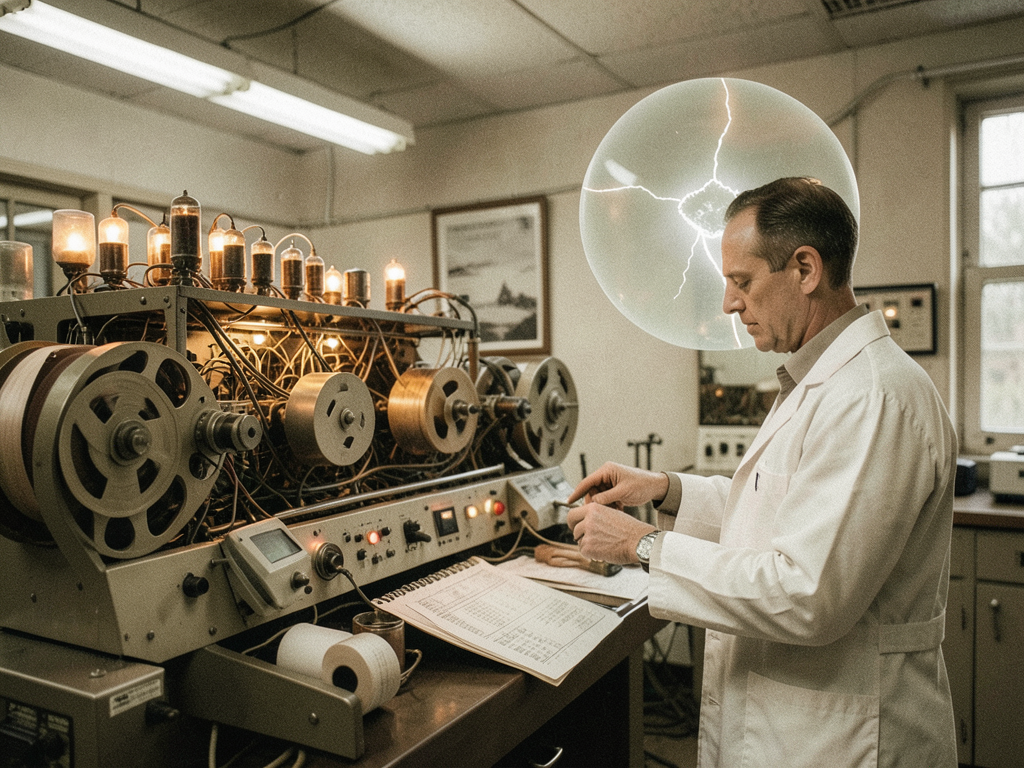
A new study from the Massachusetts Institute of Technology suggests scientists could have detected ozone layer damage decades before the first chlorofluorocarbon bans took effect. The research, led by Jian Guan at MIT, uses modern analytical tools to ask whether the ozone hole over Antarctica might have been spotted earlier than 1985.
The Historical Context of Ozone Loss
The ozone layer protects Earth from harmful ultraviolet radiation. In the 1970s, scientists first identified that CFCs, chemicals used in aerosol cans and refrigeration, could break down ozone molecules. This discovery led to a rapid international response, culminating in the 1987 Montreal Protocol, which phased out CFCs globally. The seasonal ozone hole over Antarctica announced in 1985 pushed governments to act even faster.
Analytical Tools From a Different Era
Jian Guan and the MIT team applied modern computational methods to historical atmospheric data from before 1974. Their reanalysis suggests that signs of ozone thinning might have been detectable with today’s instruments. The key insight is not about changing history but about understanding the gap between when a problem becomes measurable and when it is recognized.
Why This Matters
The study matters because it redefines how scientists and policymakers think about environmental monitoring. If the ozone hole could have been found earlier, it suggests that current climate and atmospheric threats might also be hiding in plain sight. The implication is not that the world moved too slowly on CFCs but that today’s rapid analytical advancements could uncover problems earlier than expected. For industries still dependent on greenhouse gases or ozone-depleting substitutes, the message is clear: monitoring tools are sharpening faster than emissions data can hide.
Rethinking Environmental Precedence
The Montreal Protocol is often cited as the gold standard of global environmental cooperation. The MIT study does not diminish that achievement. Instead, it shows how scientific hindsight can sharpen future vigilance. By applying modern techniques to old problems, researchers can benchmark how early a crisis might have been avoided. This reframes the ozone story not as one of missed opportunity but as a lesson in the power of advancing technology to close the gap between risk and recognition.