Senior Editor: Alan Agbele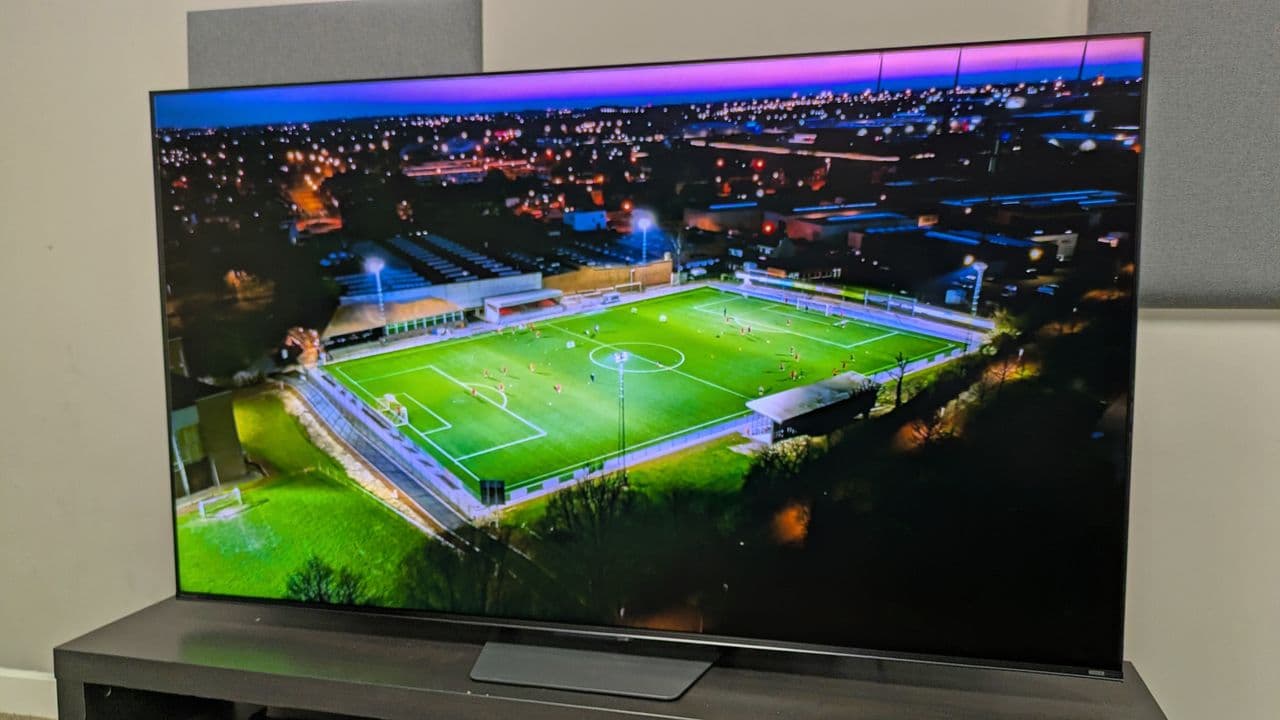
With the World Cup drawing millions of viewers, the debate over which TV technology delivers the best experience has sharpened. Mini-LED displays are emerging as the stronger choice for high-action sports, challenging the long-held dominance of OLED screens in premium home entertainment.
Why Brightness Matters for Sports
Mini-LED televisions use thousands of tiny light-emitting diodes to control backlighting with greater precision. This allows them to produce much higher peak brightness levels than OLED sets. For daytime matches or rooms with ambient light, that extra brightness makes a significant difference. The screen remains vivid and clear, while OLED screens can struggle with glare and washed-out colors in bright environments.
OLED technology relies on organic compounds that emit light individually. This enables perfect black levels and stunning contrast. But OLED panels typically max out at lower brightness. In a bright living room, the advantage of perfect blacks diminishes because the eye adjusts to ambient light.
Burn-In Risk and Longevity
Another factor pushing buyers toward mini-LED is the risk of burn-in. OLED screens can suffer permanent image retention when static elements like scoreboards, tickers or channel logos remain on screen for extended periods. A World Cup broadcast includes persistent graphics that stay in the same place for hours. Mini-LED TVs, using LCD panels with LED backlighting, do not have this vulnerability.
Manufacturers have improved OLED burn-in resistance over the years, but the risk has not been eliminated. For viewers who plan to watch multiple matches per day over several weeks, mini-LED offers greater peace of mind.
Cost and Screen Size Trade-Offs
Mini-LED TVs also undercut OLED on price, especially at larger screen sizes. A 75-inch or 85-inch mini-LED set costs significantly less than an equivalent OLED. For consumers looking to fill a wall with a big-screen experience for the tournament, this price difference is hard to ignore.
OLED retains advantages in contrast and viewing angles, but those benefits matter less for fast-moving sports content watched by a group. Mini-LED's higher brightness, lower burn-in risk and lower cost make it the practical pick for the World Cup.
Why This Matters
Every four years, millions of households upgrade their televisions ahead of the World Cup. The choice between mini-LED and OLED affects not just picture quality but also long-term satisfaction. Buyers who prioritize bright-room performance and durability will find mini-LED a more reliable investment. The trend also signals a shift in the premium TV market, where mini-LED is closing the gap with OLED on image quality while leading on practicality.