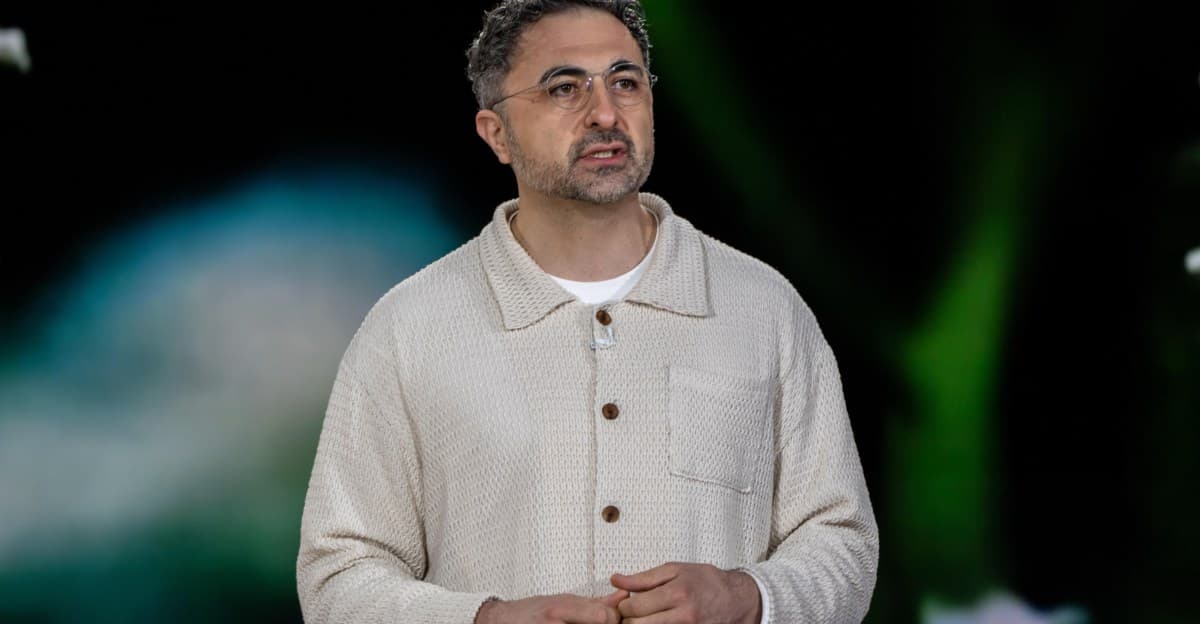
Microsoft AI CEO Mustafa Suleyman has publicly rebuked Anthropic for what he calls dangerous speculation about consciousness in its Claude chatbot. In a recent episode of The Verge's Decoder podcast, Suleyman argued that Anthropic's internal constitution which includes language about Claude's potential consciousness could trick users and even the company itself.
The Core Dispute
Suleyman accused Anthropic of anthropomorphizing Claude to the point where the model may have misled its creators. He said the company's framing essentially wireheaded them into believing the chatbot exhibits glimmers of consciousness that were actually programmed in from the start. The criticism targets language inside Claude's constitution a set of guiding principles that shape how the model responds to queries.
Industry Context
The debate highlights a growing tension in AI development between transparency and responsible communication. Companies like Anthropic aim to build trust by openly discussing model capabilities and limitations. But rivals like Microsoft worry that such openness especially around loaded terms like consciousness could backfire by creating unrealistic expectations or public fear.
Suleyman's comments also reflect a broader industry divide over how to talk about advanced AI systems. Some researchers argue that treating models as conscious or sentient is scientifically unsound and ethically risky. Others believe that acknowledging emergent behaviors is necessary for honest discourse.
Why This Matters
This dispute directly affects how companies design and market AI products. If major players cannot agree on basic terminology around machine intelligence, consumers face confusion about what these systems can actually do. Regulators also struggle to craft rules when even industry leaders disagree on fundamental questions about AI behavior.
The practical impact extends to product safety and user trust. A chatbot framed as potentially conscious might be treated differently by users who could overestimate its reasoning abilities or emotional capacity. That mismatch between perception and reality creates risks for both individuals and businesses deploying these tools.
What Comes Next
The exchange signals that internal debates about AI consciousness are spilling into public view as competition intensifies between Microsoft, Anthropic and other players. Suleyman's direct criticism suggests Microsoft wants to draw a clear line between responsible innovation and what it sees as misleading marketing.
Anthropic has not yet responded publicly to Suleyman's remarks but its constitutional approach remains central to its brand identity. How the company addresses this challenge could shape its reputation among developers, regulators and enterprise customers watching closely.