Senior Editor: Alan Agbele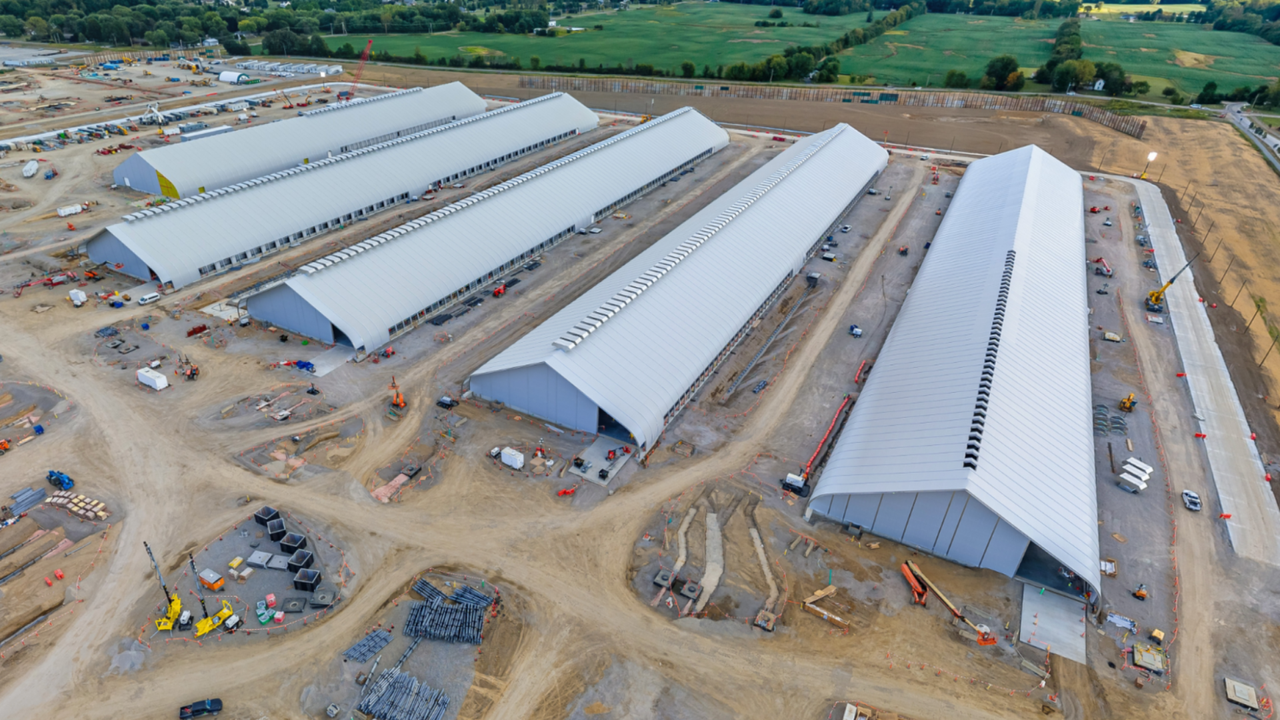
Meta is constructing tent-like structures across the United States to house its AI servers, a move that resembles a scene from the movie Mad Max. The temporary buildings take just three months to build and rely on jet engines for power instead of drawing electricity from the grid.
The Shift to Rapid Deployment
Traditional data centers can take two to three years to complete. Meta's new approach cuts that timeline dramatically. The company is using prefabricated tent structures that can be assembled quickly on site.
These tents are designed to protect expensive AI hardware while providing the massive computing power needed for training large language models and other artificial intelligence workloads.
Power Independence
Instead of waiting for utility companies to upgrade grid connections, Meta is bringing its own power generation equipment. Jet engines modified to run on natural gas or other fuels provide electricity directly at the tent locations.
This strategy allows Meta to bypass lengthy permitting processes and infrastructure delays that often slow down traditional data center construction. The company can deploy computing capacity wherever it needs it most.
Why This Matters
The AI industry faces a severe shortage of computing infrastructure. Companies like Meta need massive amounts of processing power to train and run AI models. Traditional data center construction cannot keep pace with demand.
By using temporary tents with independent power sources, Meta can add computing capacity in months rather than years. This approach could become a template for other tech companies racing to build AI infrastructure.
The environmental impact remains unclear. Jet engines produce significant emissions compared to grid electricity from renewable sources. However, Meta has committed to net zero emissions by 2030 and may offset these operations through carbon credits or renewable energy purchases elsewhere.
Industry Implications
- Other major tech companies may adopt similar rapid deployment strategies
- Temporary data centers could become common as AI demand grows
- The approach highlights infrastructure bottlenecks in the AI sector
The Mad Max comparison underscores how unconventional this solution appears. Yet for an industry desperate for computing power, speed often outweighs aesthetics or traditional approaches.