Senior Editor: Alan Agbele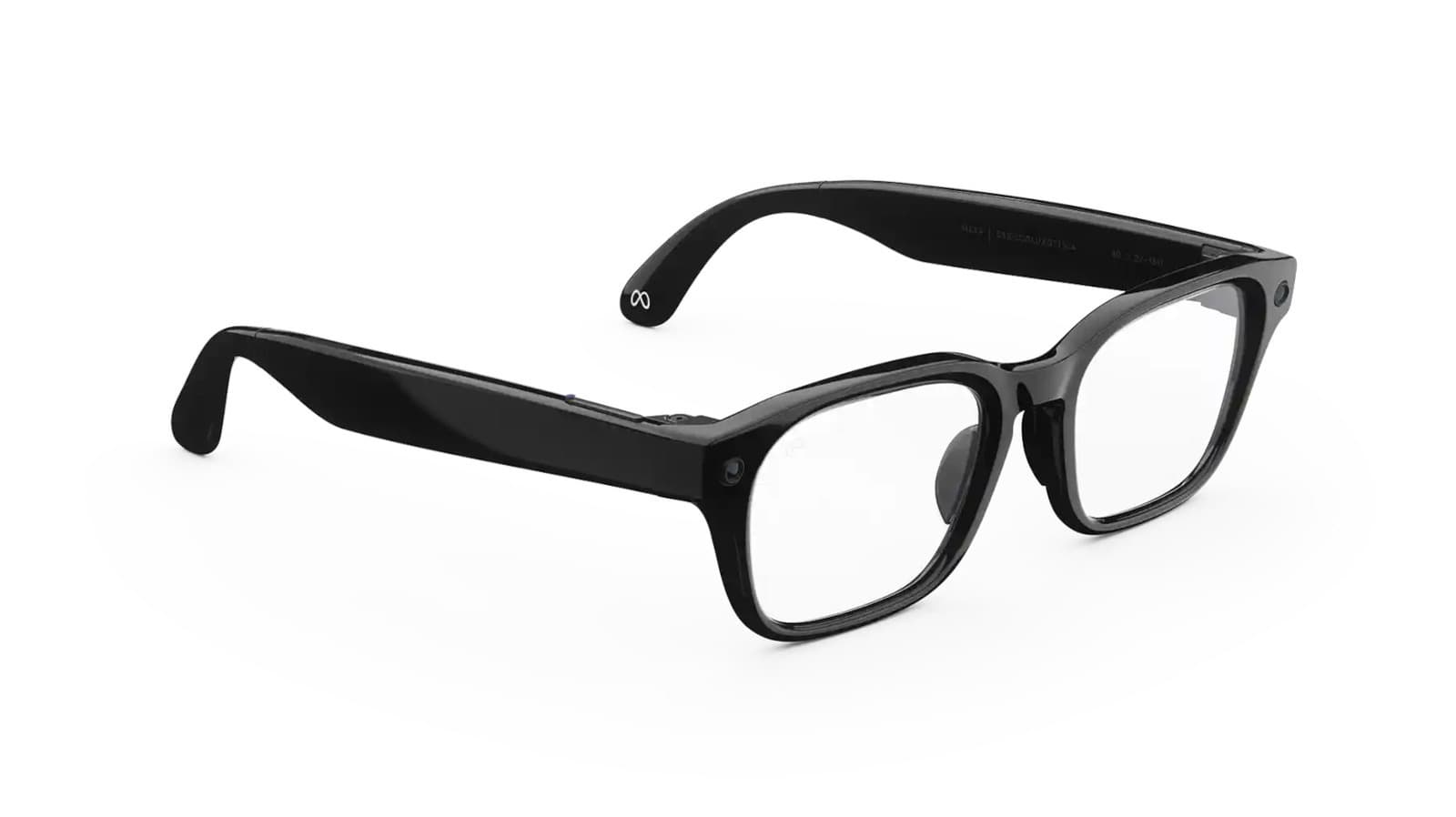
Meta plans to unveil a version of its smart glasses that omits the camera, according to a report from The Information. The decision marks a notable departure from the company's previous focus on augmented reality capture and places user privacy at the center of its next wearable push.
A Calculated Privacy Pivot
The absence of a camera directly addresses one of the biggest barriers to mass adoption of smart glasses: the perception that they are always recording. Earlier attempts by Google and Snap faced criticism over surreptitious filming and consent issues. Meta appears to be betting that a quieter, camera-free design will open the door to users in social settings, workplaces and public spaces where a visible lens can cause friction.
This shift does not mean Meta is abandoning visual computing entirely. The company continues to invest in mixed reality headsets and AR research. By offering a privacy-first option, Meta can test the market for non-intrusive wearable interfaces while refining more advanced technologies behind closed doors.
What the Glasses Might Do
Without a camera, the glasses will lean heavily on other sensors and connectivity. Possible features include:
These capabilities align with what rivals such as Bose and Amazon have offered in earlier audio-focused frames. Meta’s advantage lies in its broad ecosystem of apps, social platforms and AI services that can run in the background.
Why This Matters
The success of camera-free Meta glasses will test whether consumers are willing to adopt wearables that prioritize discretion over visual features. If adoption climbs, it could reshape the entire smart eyewear category, pushing competitors to offer comparable privacy options. Regulators eyeing biometric surveillance tools may also look favorably on devices that deliberately limit recording capability. At the same time, the trade-off is real: users lose the ability to capture moments spontaneously or use augmented reality overlays, limiting the glasses to an accessory rather than a transformative computing platform. For Meta, this experiment provides critical data on where the line between capability and comfort should sit as it prepares more ambitious wearables.