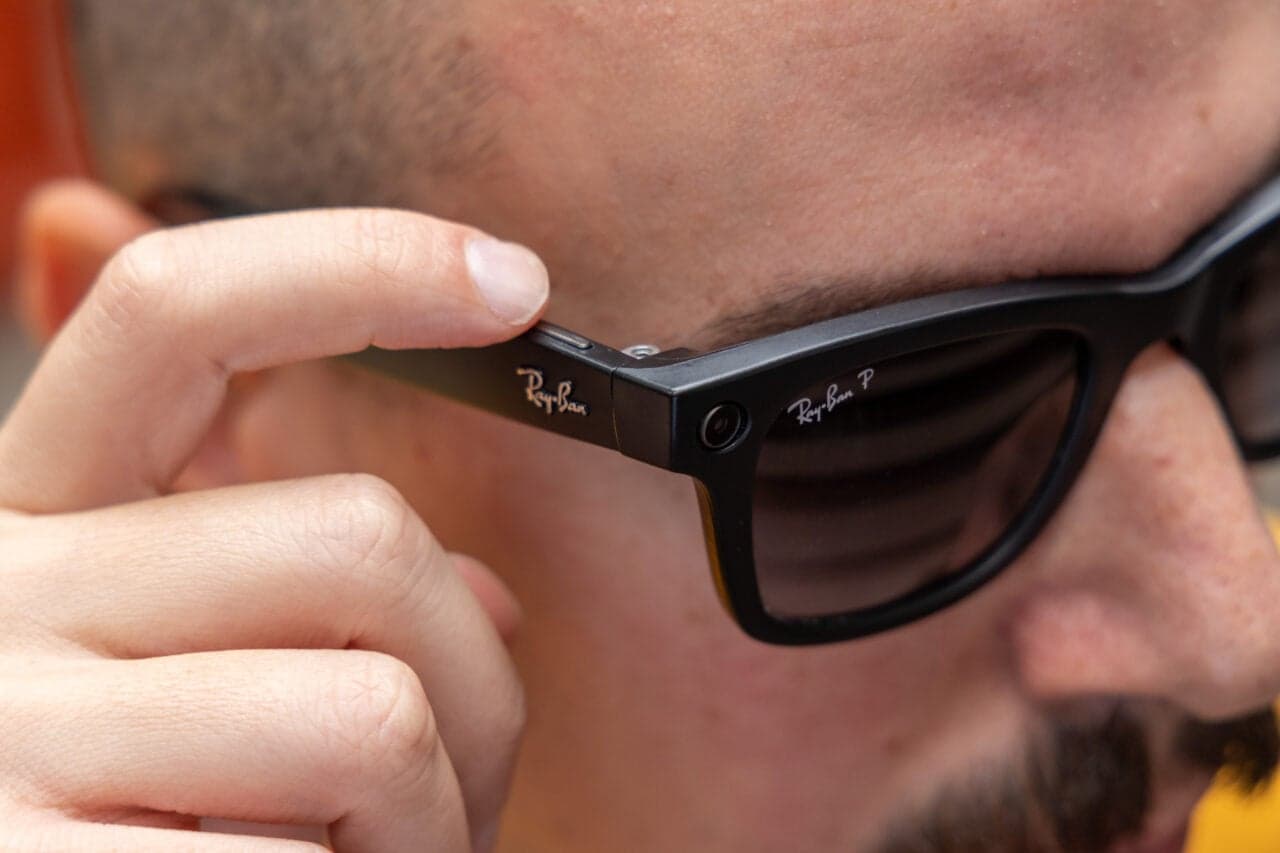
Meta has quietly disabled a face recognition feature on its Ray-Ban smart glasses, drawing criticism and raising questions about the company's commitment to privacy.
The feature, which allowed the glasses to identify people in photos and videos, was removed after privacy advocates raised alarms about potential surveillance and misuse. Meta had not publicly disclosed the feature's existence until reporters discovered it.
Privacy Concerns and Public Reaction
The face recognition system worked by matching faces against a database of known individuals, similar to technology used in social media platforms. Critics argued that embedding such a system into wearable devices could create a powerful surveillance tool without user consent.
Privacy watchdogs and lawmakers have long warned about the dangers of facial recognition technology. The European Union and several U.S. cities have moved to restrict its use in public spaces.
Meta's Response
Meta expressed frustration over the removal, suggesting the company believed the feature was useful but was forced to disable it due to negative publicity. The company did not immediately respond to requests for comment about future plans for similar features.
This is not Meta's first controversy around facial recognition. In 2021, the company shut down its Facebook facial recognition system amid regulatory pressure and a class action lawsuit over privacy violations.
Why This Matters
The episode highlights the growing tension between tech companies pushing hardware innovation and consumer privacy expectations. Millions of people now use smart glasses and other wearable cameras, making it easier to capture and analyze faces without anyone knowing. Without clear safeguards, such devices could erode privacy in public spaces. The incident also shows that regulators and public opinion still have strong influence over how tech giants deploy sensitive features.
Meta's smart glasses are part of a broader push to blend augmented reality with everyday wearables. The company is betting heavily on this technology as a future revenue driver beyond advertising. How it handles privacy will determine whether consumers trust these devices.