Editor: Porcia Akua Holmes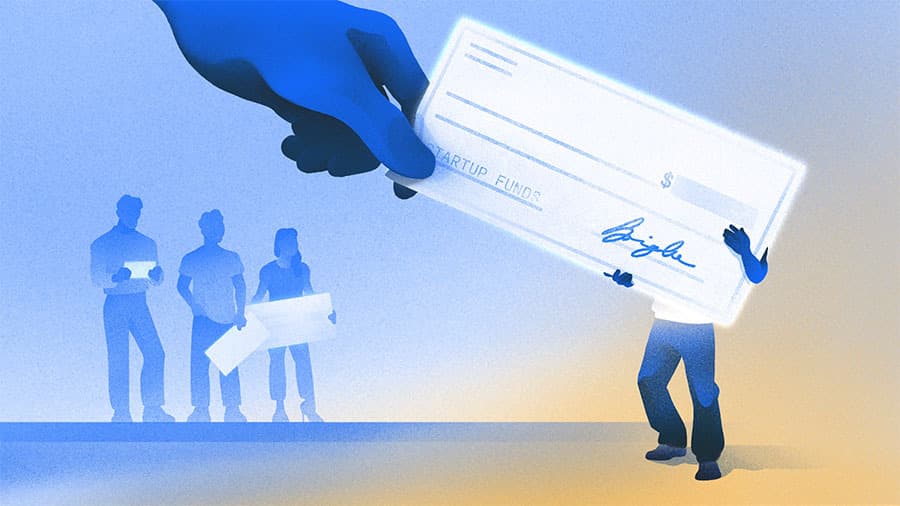
Startup funding has entered a new era where the majority of venture capital flows into billion-dollar-plus rounds. According to data from Crunchbase, 60% of global startup funding in 2026, roughly $320 billion, went to deals of $1 billion or more. The trend is even more pronounced in the United States where 73% of funding went to such mega-rounds.
Data From Crunchbase Reveals a Tipping Point
Crunchbase data shows that the first half of 2026 set a record for global startup funding, propelled by these massive deals. The United States alone saw 23 known rounds of $1 billion or more, matching the record pace of 2025 with five months still remaining. The majority of these rounds are later-stage or corporate financings, though seed-stage exceptions like Prometheus and World Labs appeared.
Lessons From the First Wave of Mega-Rounds
The first billion-dollar-plus venture round in the United States was Uber's $1.2 billion Series D in 2014. Over the following years, companies including SpaceX, Airbnb, Grail, WeWork, and Fanatics also raised 10-figure rounds. The outcomes varied dramatically. A look at the early cohort:
These early examples taught investors that pouring unusually large sums into unicorns can be lucrative but is far from a sure bet.
Why This Matters
The concentration of venture capital into a handful of mega-rounds creates new risks. If the two largest AI recipients, OpenAI and Anthropic, stumble, the impact on the startup ecosystem could be severe. The question is no longer just whether billion-dollar rounds can yield high returns but whether rounds in the tens of billions, or even over $100 billion, can justify their valuations. With both companies filing confidentially for IPOs, the market will soon test those assumptions. For investors, the lesson from the first wave remains: mega-rounds can produce outsized winners but also spectacular failures.