Senior Editor: Alan Agbele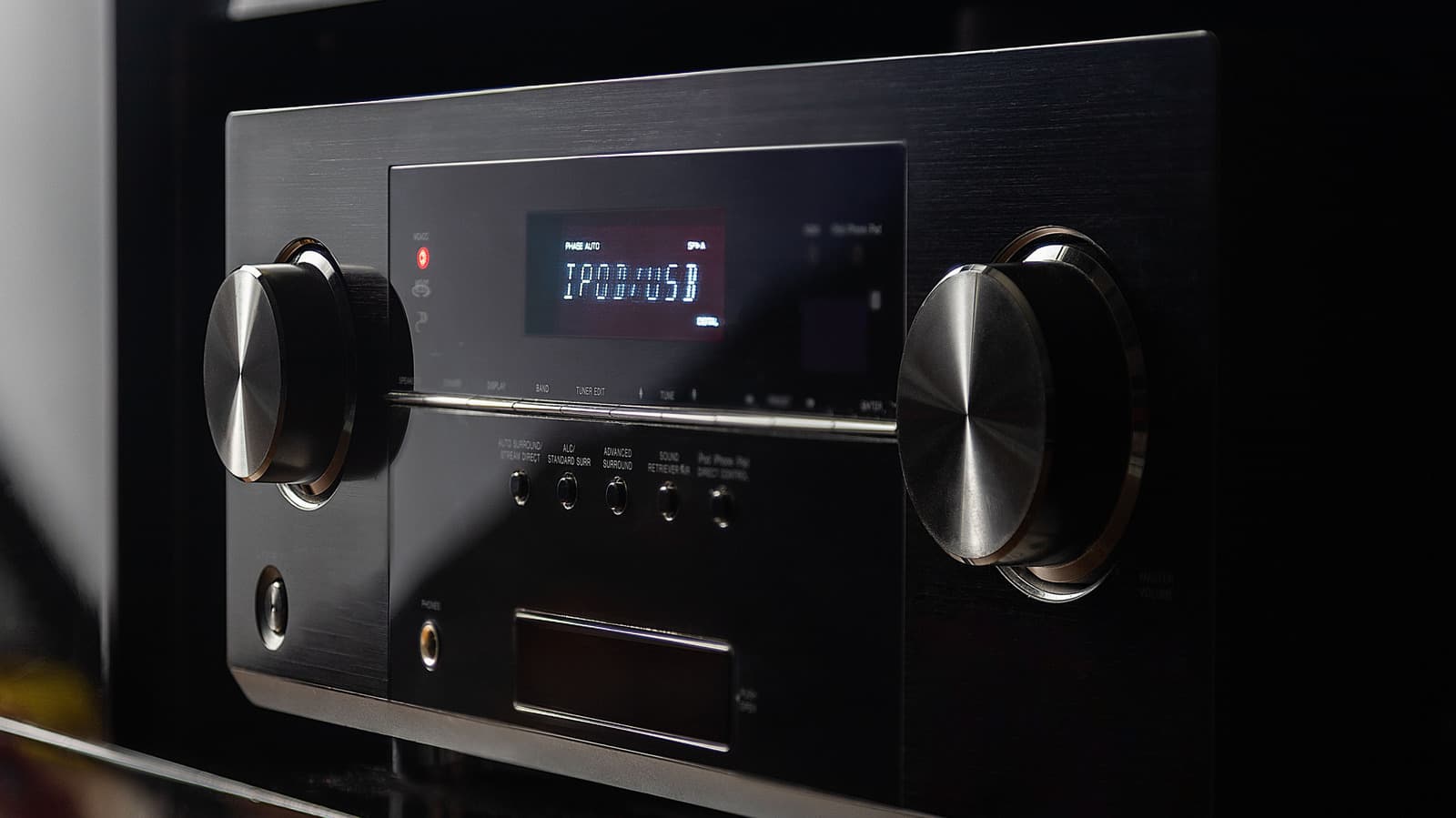
Many home theater enthusiasts unknowingly leave significant audio performance on the table due to a handful of overlooked settings and system arrangement choices. The gap between a receiver's potential and its actual output often comes down to configuration decisions that most users never revisit after initial setup.
Common Setup Mistakes
The most frequent issue is relying on factory defaults. Receivers ship with conservative settings to avoid distortion, but those settings often compress dynamic range and limit surround sound immersion. Another widespread problem is improper speaker configuration. Many users fail to specify speaker size, crossover frequency or distance in the receiver menu, which leads to incorrect bass management and timing errors.
Room Acoustics and Placement
Physical layout matters as much as electronic settings. Speakers placed too close to walls produce boomy bass. Seating positioned outside the optimal sweet spot reduces soundstage precision. Many receivers include graphic equalizers or parametric EQ that can compensate for room reflections, but those tools remain unused by most owners. Even simple adjustments such as pulling speakers a few inches from the wall or angling them toward the listening position can sharpen imaging and clarity.
Why This Matters
As streaming services push higher-resolution audio and object-based formats become standard, the gap between achievable and actual sound quality will widen for those who ignore setup basics. Manufacturers invest heavily in DSP and amplification, but that hardware cannot overcome poor configuration. For anyone who has invested hundreds or thousands in a home theater system, these low-effort tweaks represent the most cost-effective upgrade path. The real consequence of skipping these steps is not just mediocre sound but a fundamentally incomplete experience, especially for films and games crafted with immersive audio in mind.