Editor: Porcia Akua Holmes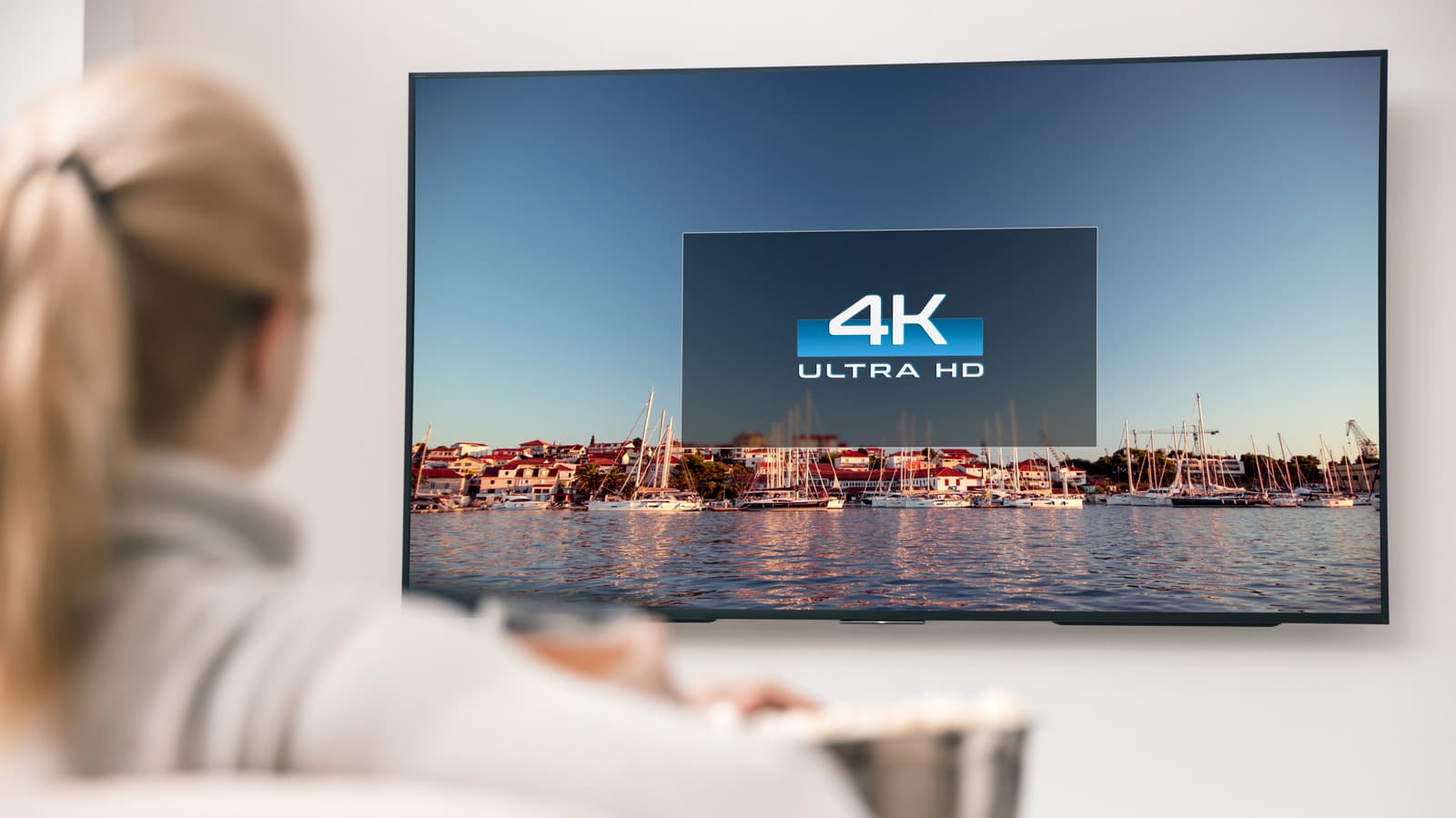
Millions of households now own televisions labeled 4K. Yet a significant gap remains between what the display promises and what the eye actually sees. Many streaming movies and TV shows that appear crisp are not true Ultra HD but rather upscaled versions of lower resolution footage. This confusion has grown as streaming platforms continue to expand their 4K libraries while also relying on compression techniques that can degrade image quality.
The 4K Misconception
Upscaling is a built-in feature of every 4K television. The TV's processor takes a 1080p or lower resolution signal and mathematically fills in missing pixels to match the panel's 3840 x 2160 grid. The result can look sharp, but it never matches the detail of native 4K content. Streaming services including Netflix, Amazon Prime Video and Apple TV+ produce original programming in true Ultra HD, yet much of their catalogs remain in high definition. A show labeled 4K on the platform may still be an upscaled version of a 2K digital intermediate, especially for older titles.
How to Verify Your TV's Output
Televisions from major brands such as Samsung, LG, Sony and TCL provide at least one way to confirm the incoming resolution. The exact method varies by manufacturer, but three common approaches exist:
After finding the display, the reader should see either 3840x2160 (true 4K) or a lower number such as 1920x1080 (1080p). If the resolution is lower, the content is being upscaled by the TV.
Why This Matters
The rise of 4K streaming has changed how consumers evaluate their home entertainment investments. Paying a premium for a 4K television and a corresponding subscription tier such as Netflix Premium or Amazon Prime Video 4K loses value if the viewer never checks what is actually reaching the screen. Streaming services also apply variable bitrate encoding, meaning even native 4K streams can look soft during complex scenes if bandwidth drops. For cord-cutters and home theater enthusiasts, knowing the difference between native and upscaled content is now essential to getting the full benefit of their hardware. Over the next year, more platforms will likely follow Disney+ and Warner Bros. Discovery in offering ad-supported 4K tiers, further complicating the quality landscape.
Streaming Platforms and Quality Standards
Netflix, one of the earliest adopters of Ultra HD, requires a specific plan to access 4K and HDR content. Amazon Prime Video includes 4K in its standard membership but labels each title individually. Apple TV+ defaults to the highest resolution available on most shows. None of these services, however, guarantee that every listed title is native 4K. The term 4K is a marketing category as much as a technical specification. Independent tests by review sites such as Rtings and HDTVTest have shown that some streaming titles labeled 4K are actually mastered at 2K then upscaled in post-production.
What This Means for Viewers
The simplest takeaway is that a 4K label on a streaming menu does not equal native Ultra HD quality. Checking the TV's resolution display remains the only reliable method for the average owner. As more households upgrade to 4K and 8K displays, the confusion between upscaled and native resolution will likely grow rather than shrink. Manufacturers and streaming services could do more to standardize labeling, but until then the burden falls on the consumer to verify what they are watching.