Editor: Porcia Akua Holmes
A quiet backlash is forming against the locked-down nature of modern apps. From social media feeds that resist customization to productivity tools that restrict data portability, users increasingly find themselves at the mercy of the software they rely on. In response, a design philosophy known as malleable software is gaining traction, with a core goal of restoring user agency.
The Locked-Down App Era
For more than a decade, consumers have accepted that the software they buy or subscribe to comes with hard boundaries. Apps ship with fixed features, hidden settings and opaque update policies. Users cannot inspect the code, adjust the logic or even export their own data without friction. This model, championed by major platform holders, treats software as a finished product rather than a living tool.
The consequences extend beyond mere inconvenience. When an app's design choices conflict with a user's needs, the user has no recourse other than to abandon the tool entirely. That leaves power users, accessibility advocates and small businesses with a narrow set of options. The locked-down paradigm also fuels planned obsolescence, as developers abandon old versions and force migrations to new, incompatible systems.
Restoring User Agency
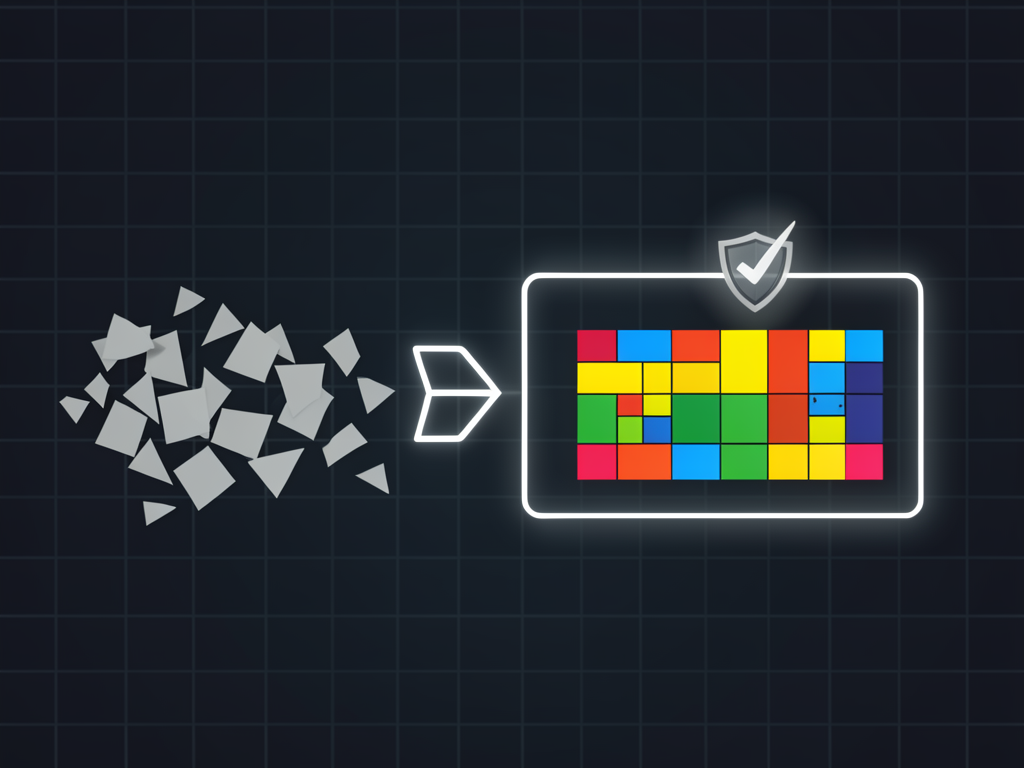
Malleable software flips this model by putting control back in the hands of the people who actually use the applications. Instead of treating code as sacred, malleable systems expose their inner workings through open interfaces, configurable components and plugin architectures. Users can tweak how data flows, what features appear and how the software behaves in different contexts.
Proponents argue that this approach does not sacrifice polish or stability. On the contrary, malleability encourages modular design, which often results in more robust and maintainable systems. Several key principles define the movement:
Early adopters of this philosophy include developers who use terminal multiplexers, text editors and version control systems, all of which have long embraced customization. The challenge now is to bring these principles to everyday consumers, many of whom have never considered that their apps could behave differently.
Why This Matters
The shift toward malleable software carries significant economic and social implications. If users gain the ability to modify their tools, they become less dependent on any single vendor. That reduces switching costs and weakens the lock-in that sustains dominant app-store economies. It also puts pressure on companies to innovate continuously rather than rely on inertia.
For accessibility, malleability is transformative. Users with disabilities can adapt interfaces to match their physical and cognitive needs, instead of waiting for developers to ship dedicated accessibility patches. Small businesses can build workflows that fit their exact processes, improving efficiency without hiring a custom development team.
The movement also challenges the prevailing notion that software must be finalized at release. In a malleable model, the user becomes a co-developer, refining the tool over time. That aligns with the open-source ethos and could revive a culture of digital craftsmanship. The question is whether major platforms will embrace this openness or continue to resist it as they fight to protect their closed gardens.