Senior Editor: Alan Agbele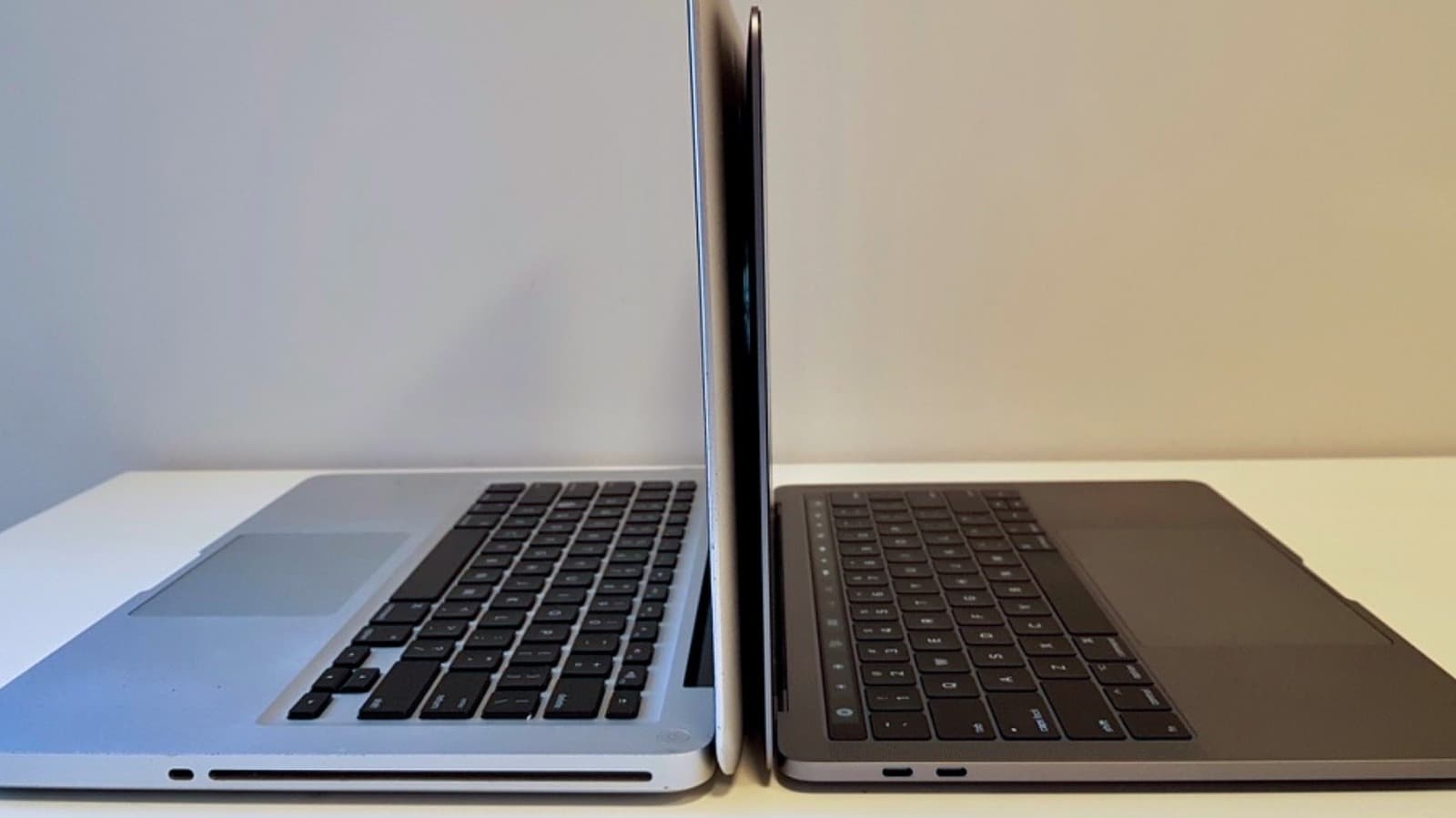
Apple's next major operating system update, macOS Golden Gate, removes native DVD playback capabilities, ending an era for users who still rely on physical media. The change means that after upgrading, Mac owners must install separate free software to watch their DVD collections.
Apple's Shift Away From Optical Media
Apple began phasing out optical drives in 2012 with the MacBook Air and later removed them from all Macs. The company also dropped Blu-ray support years ago. The macOS Golden Gate update now completes that transition by removing the software layer for DVD playback. While few users still rely on discs daily, the decision affects those with large DVD libraries, educational content or archival materials stored on physical media.
The move mirrors broader industry trends. Streaming services dominate home entertainment, and most new computers lack optical drives entirely. Apple's decision to remove DVD support from the operating system reduces maintenance overhead and aligns with its push toward digital distribution through the Mac App Store and streaming platforms.
Third-Party Apps Provide a Free Solution
The workaround involves installing mature open-source media players that already support DVD decoding. The most popular option, VLC Media Player, handles encrypted discs and regional coding without additional downloads. Other free alternatives include Elmedia Player and 5KPlayer.
Although Golden Gate Removes DVD Support entirely, a free solution is still available through these applications. Users who upgrade should plan ahead: download and test the software before the update to ensure compatibility with existing disc collections.
Why This Matters
For the shrinking group of users who rely on DVDs, Golden Gate forces a choice between keeping physical media or converting to digital copies. Apple's decision reflects the industry's shift toward streaming, but it also raises concerns about software longevity. Without native playback, users depend on third-party developers to maintain compatibility. Future macOS updates could break these workarounds, leaving disc collections inaccessible. The change also highlights a broader trend: operating systems increasingly shed legacy features, and users must adapt or lose access to older media formats.