Editor: Porcia Akua Holmes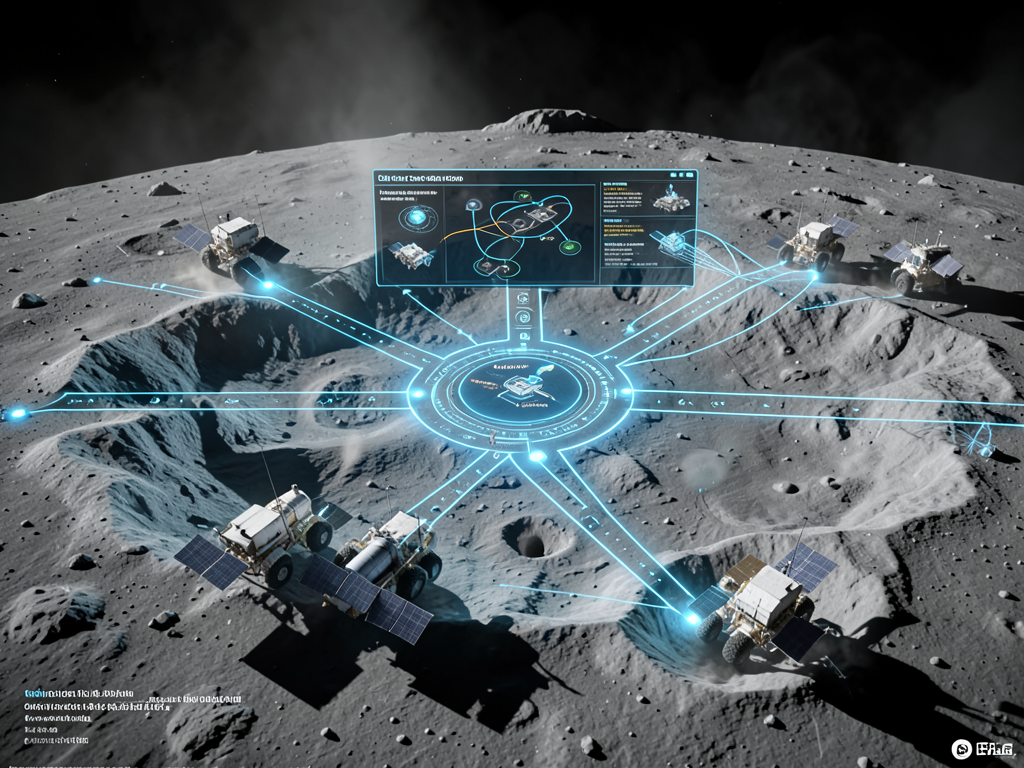
Engineers have built a traffic control system for the moon, a development that establishes the first formal rules of the road for vehicles operating beyond Earth. The system aims to prevent collisions between lunar rovers, landers and orbiters as commercial and governmental missions multiply.
How the Lunar Traffic Control System Works
The traffic control system uses a combination of orbital satellites and surface sensors to track every moving object within a designated zone. Each vehicle broadcasts its planned path, speed and mission duration to a centralized server that calculates potential conflicts. When two craft risk coming too close, the system issues automated rerouting commands or temporary holds.
Drivers Behind the Lunar Codification
The push for organized lunar traffic management stems from the accelerating pace of moon exploration. NASA's Artemis program, China's Chang'e series and multiple commercial ventures plan to deliver dozens of payloads to the south pole region over the next decade. Without formal rules, those missions would rely on ad hoc communication, raising the risk of expensive collisions and debris generation.
The engineers have built the system to handle up to 50 simultaneous active operations, a threshold experts expect to reach by 2030. The technical blueprint includes fail-safes for signal loss and manual intervention protocols for human-rated vehicles.
Why This Matters
The introduction of a traffic control system for the moon carries immediate practical and regulatory consequences. Space agencies will need to decide whether to adopt the proposed rules voluntarily or negotiate a binding treaty through the United Nations Office for Outer Space Affairs. Private companies such as SpaceX and Blue Origin face pressure to integrate the system into their lander designs, adding cost but reducing insurance premiums. More broadly, the system sets a precedent for managing orbital environments around Earth and other celestial bodies. If the moon becomes congested without enforcement mechanisms, the risk of chain-reaction collisions grows, potentially jeopardizing decades of scientific investment.
The rules of the road developed here may eventually serve as template for Mars, where communication delays of up to 20 minutes make real-time control impossible.