Editor: Porcia Akua Holmes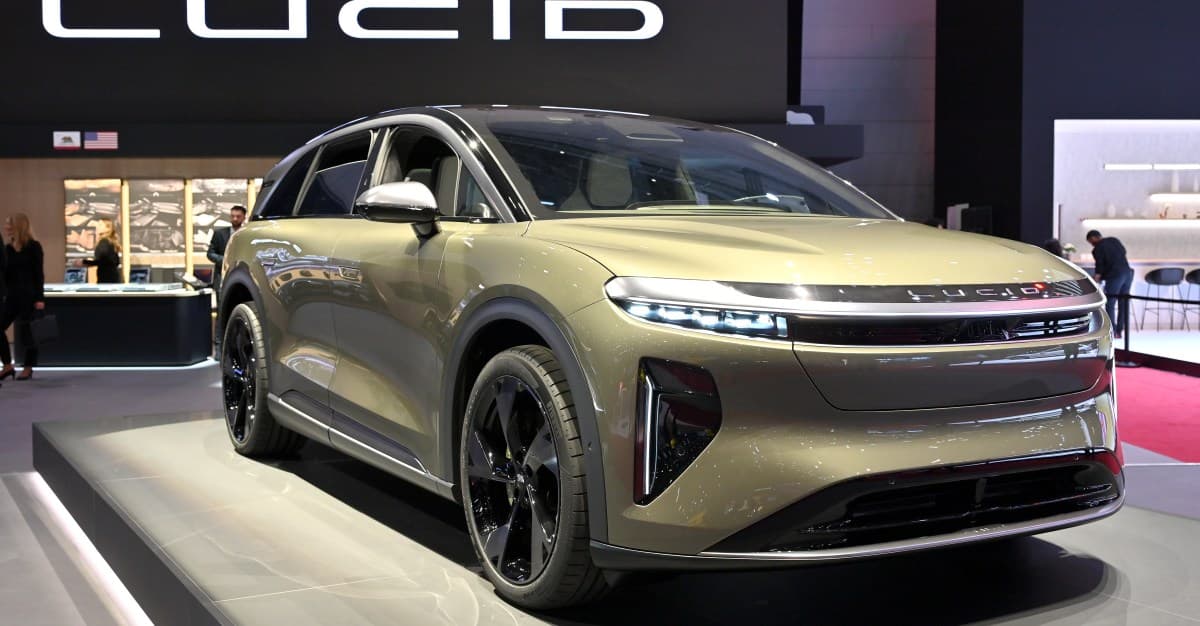
Lucid Motors forcefully denied a bankruptcy rumor this week, but the damage had already rippled across electric vehicle markets. The company's stock plunged after an unsubstantiated report suggested financial trouble, forcing Lucid to issue a statement calling the claim "completely false" and pointing to available free cash flow that should fund operations into next year.
The Rumor and Its Fallout
The bankruptcy speculation, which originated from an unverified report, sent Lucid's shares tumbling before the company intervened. The panic quickly infected rival EV startups, with Rivian and Polestar also seeing their stock prices drop as investors questioned the long-term viability of the entire category. Lucid executives emphasized that the company holds enough liquidity to operate well into 2025, but the episode revealed the market's hair-trigger sensitivity to any sign of financial distress among EV-only manufacturers.
Pressures Mounting on EV Startups
The episode is not an isolated incident. It reflects a broader reckoning for electric vehicle companies that emerged during a period of easy money and sky-high optimism. Now, with interest rates elevated and competition from legacy automakers intensifying, investors are demanding concrete profitability milestones.
Why This Matters
The Lucid rumor matters because it exposes a structural vulnerability in the EV industry. Pure-play startups have little margin for error. One negative headline can crater their market value and complicate future fundraising. If investor confidence erodes further, these companies may be forced into unfavorable alliances, delayed product launches or even consolidation. Consumers, meanwhile, face a narrowing field of choices and potential service or warranty risks if a manufacturer falters. The episode also signals that the EV transition, while inevitable in the long run, will be far more turbulent than early bullish projections suggested.
For Lucid specifically, the next few quarters are critical. The company must deliver on its production targets and demonstrate genuine demand for its luxury vehicles beyond early adopters. Rivian and Polestar, both named in the rumor's spillover, face similar existential questions. The broader EV market is entering a phase where financial discipline and execution matter more than vision alone.