Rechargeable lithium-ion batteries power nearly every modern device, from smartphones and laptops to e-bikes and power tools. But as their use has exploded, so has the number of fires they cause. Incidents at homes, offices and even on commercial aircraft are climbing at an alarming rate.
I have watched these batteries catch fire on purpose in controlled settings. The process is fast, violent and extremely dangerous. Understanding what triggers these fires and how to respond could save your property and your life.
What Causes the Fires
Lithium-ion batteries fail through a process called thermal runaway. A short circuit inside the cell generates intense heat, which ignites the flammable electrolyte. Once started, the reaction is self-sustaining and nearly impossible to stop with ordinary methods.
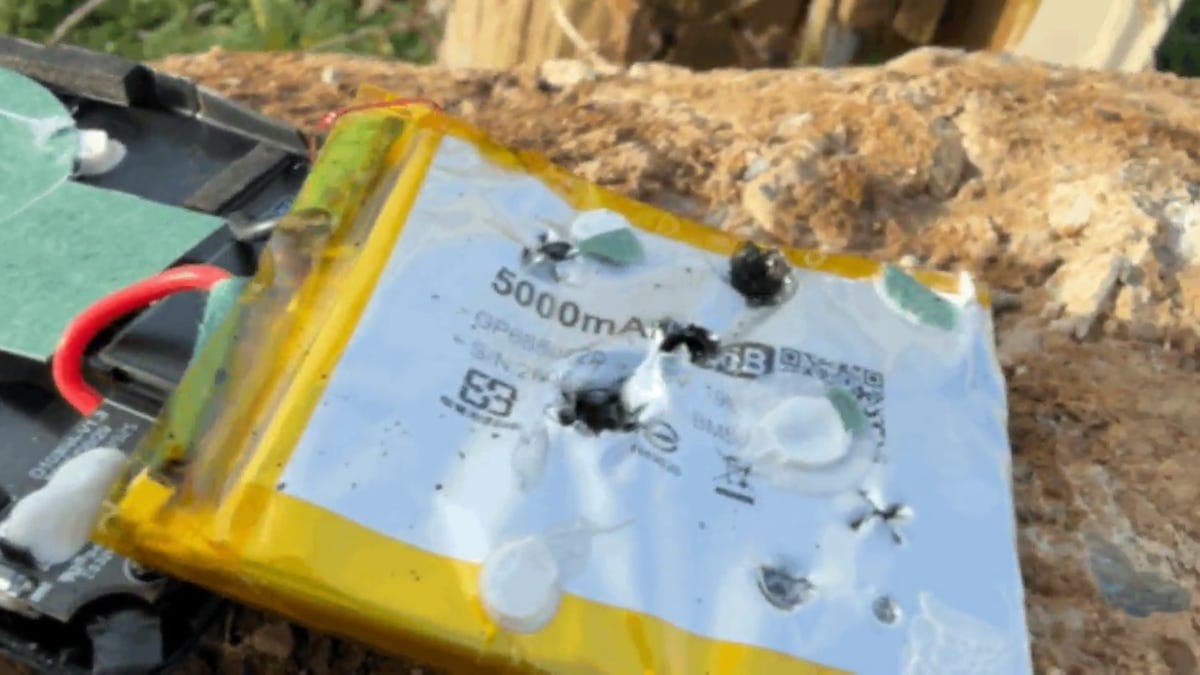
Common triggers include physical damage, such as puncturing the battery, using a damaged charger or exposing the device to extreme heat. Manufacturing defects also play a role. Unlike a typical house fire, a lithium-ion fire can reignite hours or even days after being extinguished.
What to Do If a Battery Catches Fire
If a device begins to smoke, swell or emit a hissing sound, act immediately. Evacuate everyone from the room. Close doors behind you to contain the fire. Call 911. Do not use water, as it can worsen the reaction. Specialized fire extinguishers rated for lithium-ion fires exist, but most homes do not have them.
For small battery fires, a bucket of sand or a dedicated fire blanket can smother the flames. Never pour water on a lithium-ion fire unless it is a large volume from a hose, which can cool the cell. The safest approach is always to get out and let professionals handle it.
Prevention Is the Best Defense
Simple habits dramatically reduce risk. Use only the charger that came with the device. Avoid charging devices on soft surfaces like beds or couches where heat cannot dissipate. Store loose batteries in a cool, dry place away from flammable materials. Replace batteries that show signs of swelling, leakage or damage immediately.
Never attempt to puncture or disassemble a swollen battery. Dispose of old batteries at designated recycling centers, not in household trash. For e-bikes and scooters, charge outdoors or in a garage away from exits and living areas.
Why This Matters
Billions of lithium-ion batteries are in use worldwide, and the number of fires is rising. Consumers face real risk every time they charge a laptop, ride an e-bike or toss a battery into the junk drawer. Understanding the dangers and learning simple prevention tactics can prevent a devastating fire. This is not a theoretical problem — it is a growing safety issue that affects anyone who uses modern electronics.