 Senior Editor: Alan Agbele
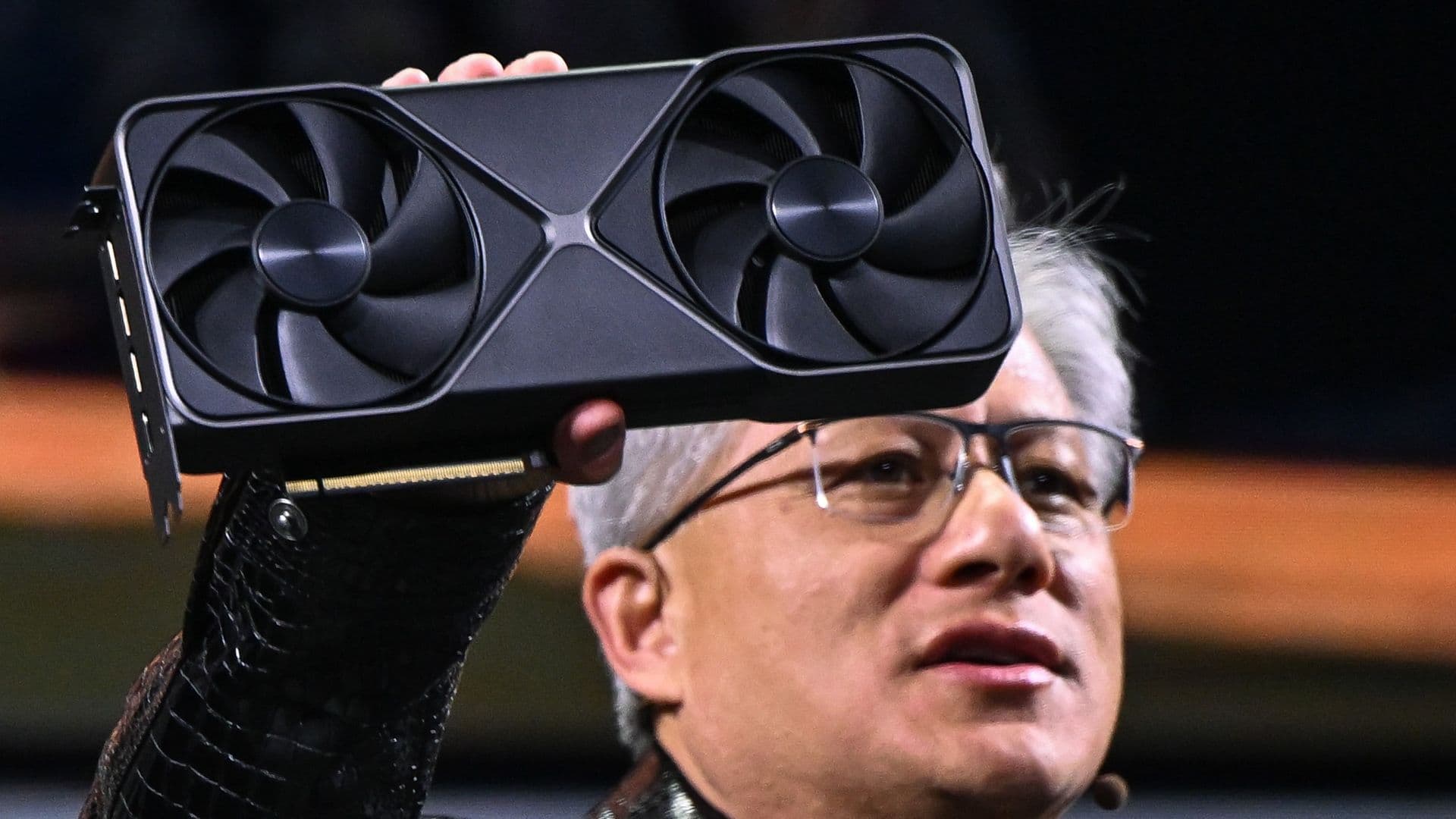
A leaked video has exposed an industrial-scale operation inside China where brand-new Nvidia GeForce RTX 5090 graphics cards are being stripped apart by the thousands. The footage shows production lines converting retail gaming hardware into server-grade AI accelerators, a practice that helps explain why the flagship card has vanished from store shelves.
Inside the Conversion Lines
The leaked footage offers a rare look at how these Chinese workshops operate. Skilled technicians desolder the GB202 silicon and GDDR7 memory chips from brand-new GeForce RTX 5090 boards, then transplant those components onto a different PCB built for server use.
The original triple-fan cooling assembly is discarded entirely. Workers replace it with a dual-slot blower cooler that exhausts heat out the back of the chassis, a design required for stacking multiple GPUs inside 4U server enclosures.
After reassembly, each modified card runs through a validation line. Dozens of units operate simultaneously on open test benches, running graphics and stability benchmarks before being repackaged and shipped to clients.
Why the RTX 5090 Became AI Infrastructure
The GeForce RTX 5090 occupies an unusual position in the AI hardware market. It carries 32GB of GDDR7 memory and a GB202 die that delivers compute throughput competitive with professional-grade accelerators, yet it costs far less than dedicated data-center cards.
That price-to-performance gap has made it a target for grey-market buyers. When dedicated AI accelerators are scarce or overpriced, repurposed gaming cards fill the void. The conversion factories exist precisely because demand for AI compute outstrips the supply of purpose-built server hardware.
Nvidia has reportedly halted GeForce RTX 5090 production in favor of AI data-center and professional GPUs, a decision that compounds the supply crunch. Fewer new cards entering the channel means every unit diverted to a Chinese workshop is one fewer available to gamers.
The Supply Chain Squeeze
Middlemen in these grey-market supply chains actively hunt for GeForce RTX 5090 stock, buying from retail channels, distributors and even Nvidia's own Founders Edition allotments. The scale suggests thousands of cards are repurposed daily across multiple facilities scattered throughout China.
The economics are straightforward. A card that retails for around $2,000 in Western markets can command nearly $10,000 in China's AI compute market. That spread funds an entire ecosystem of buyers, converters and resellers.
Why This Matters
Consumers in Western markets face a compounding problem. Retail availability of the GeForce RTX 5090 was already constrained by Nvidia's production priorities, and the Chinese conversion pipeline removes additional units from the global pool.
Gamers and small-scale AI developers who rely on consumer GPUs are the most directly affected. They compete for a shrinking supply against buyers willing to pay several times retail price, which effectively prices them out of the market.
The longer-term implication is structural. If repurposing gaming cards for AI servers remains profitable, the grey-market conversion industry will persist regardless of Nvidia's official channel strategy. That creates a permanent leakage point in the consumer GPU supply chain.
Nvidia, for its part, has not publicly addressed the leaked footage. The company's silence leaves open the question of whether it can or will take action to prevent retail cards from being diverted at this scale.


