Editor: Porcia Akua Holmes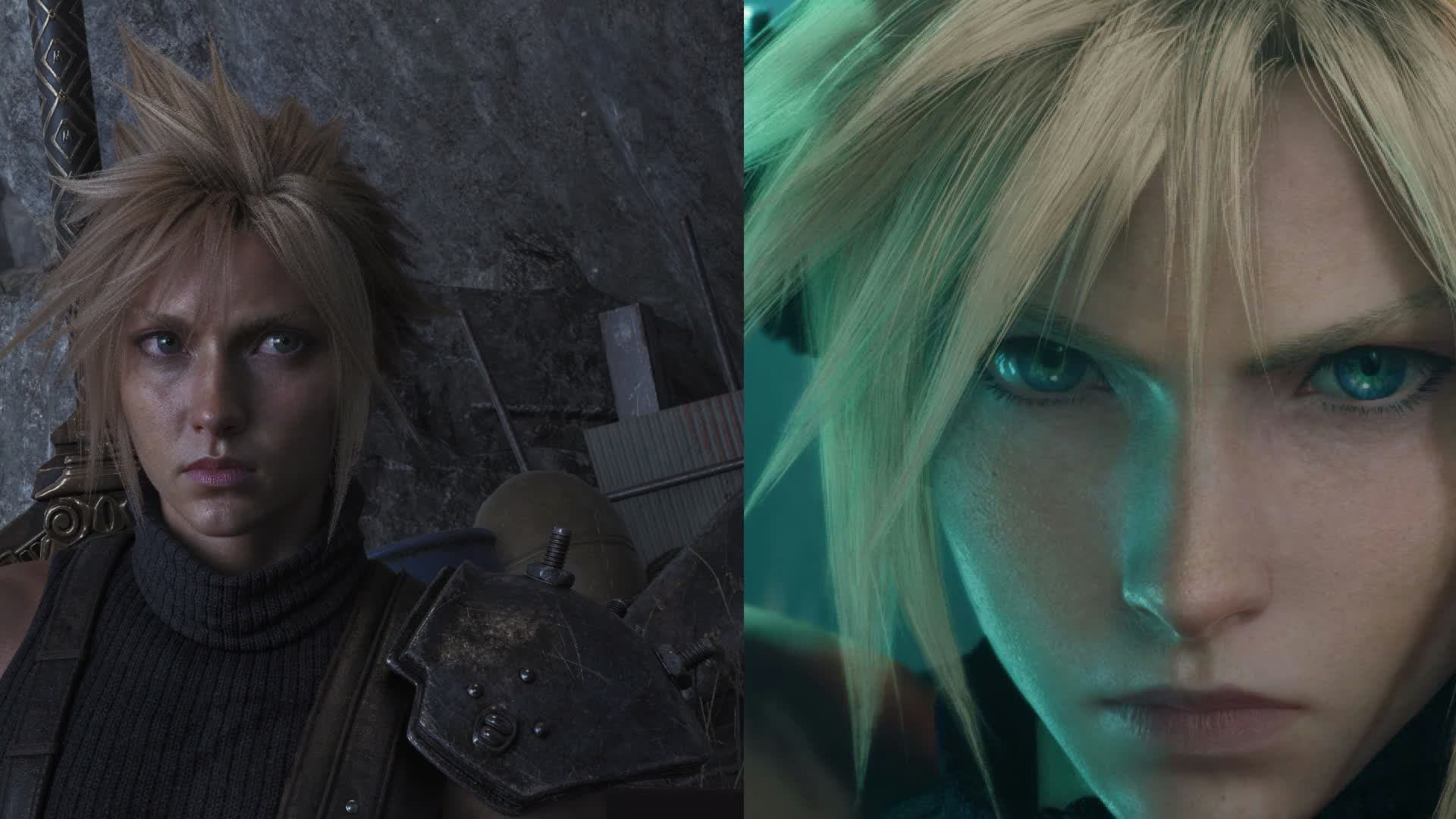
A leaked build of Nvidia's upcoming DLSS 5 upscaling technology has escaped into the wild, triggering a wave of unofficial mods that inject the feature into games it was never designed for. The results are often chaotic, ranging from stunning visual improvements to absurd rendering failures that have become a source of entertainment across gaming communities.
Unofficial DLSS 5 Mods Spread Rapidly
The RenoDX tool taps into a leaked version of Nvidia DLSS 5 that was never meant for public use. Modders have quickly adapted it to work across a broad range of titles, from recent AAA releases to older games with upscaling support. The speed of adoption highlights the intense demand for Nvidia's next-generation upscaling technology and the modding community's ability to bypass official release windows.
Gamers who have tried the mod report mixed experiences. Some see dramatic boosts in image quality and frame rates, while others encounter severe artifacts, crashes, or characters rendered in bizarre, broken geometry. The unpredictable nature of the mod has turned into a source of viral content, with players sharing screenshots of their most outlandish glitches.
Why This Matters
The unauthorized spread of Nvidia DLSS 5 creates a complicated scenario for Nvidia. On one hand, the mod provides real-world stress testing across an enormous variety of hardware and software configurations, data Nvidia could use to refine the technology before an official launch. On the other hand, a buggy early build circulating widely could damage the perceived quality of DLSS 5 and set unrealistic expectations.
For gamers, the mod offers a risky but tempting preview of what's to come. Those willing to tinker gain access to cutting-edge upscaling months ahead of schedule, but they also expose their systems to possible instability and crashes. The incident also underscores a growing tension between Nvidia's controlled rollout strategies and a modding community that values openness and experimentation.
Nvidia has not commented on the leak, but the company historically takes a strict stance on unauthorized use of its intellectual property. Modders and players who distribute or use the mod could face technical countermeasures, such as driver-level blocks or account bans in online games that detect unofficial DLSS builds.
This episode signals that demand for high-quality AI upscaling remains white-hot, and that any delay in delivering DLSS 5 to consumers will likely trigger further leaks and mods. The unofficial release has effectively turned Nvidia's development timeline into a community-driven beta test, whether the company likes it or not.
A Glimpse at the Future of Upscaling
Despite its rough edges, the DLSS 5 mod offers a tantalizing look at the capabilities of Nvidia's next upscaler. Early reports indicate significant improvements in image reconstruction, especially in motion-heavy scenes where previous DLSS versions sometimes struggled. The technology appears to handle fine details like hair and foliage with greater coherence, even when pushed beyond its intended settings.
The mod also reveals how much Nvidia has invested in neural rendering techniques. DLSS 5 relies on more advanced temporal data and a deeper understanding of scene geometry, which explains both its potential and its fragility when applied to unsupported titles. Modders who manage to stabilize the build may unlock performance levels that standard DLSS 4 cannot match.
As the modding community continues to refine the RenoDX tool, the unofficial DLSS 5 rollout may accelerate. Nvidia's next move will determine whether this leak becomes a catalyst for faster adoption or a cautionary tale about the risks of leaked software. For now, gamers are left to enjoy the spectacle of beloved titles running on technology that was never meant to touch them.