 Editor: Porcia Akua Holmes
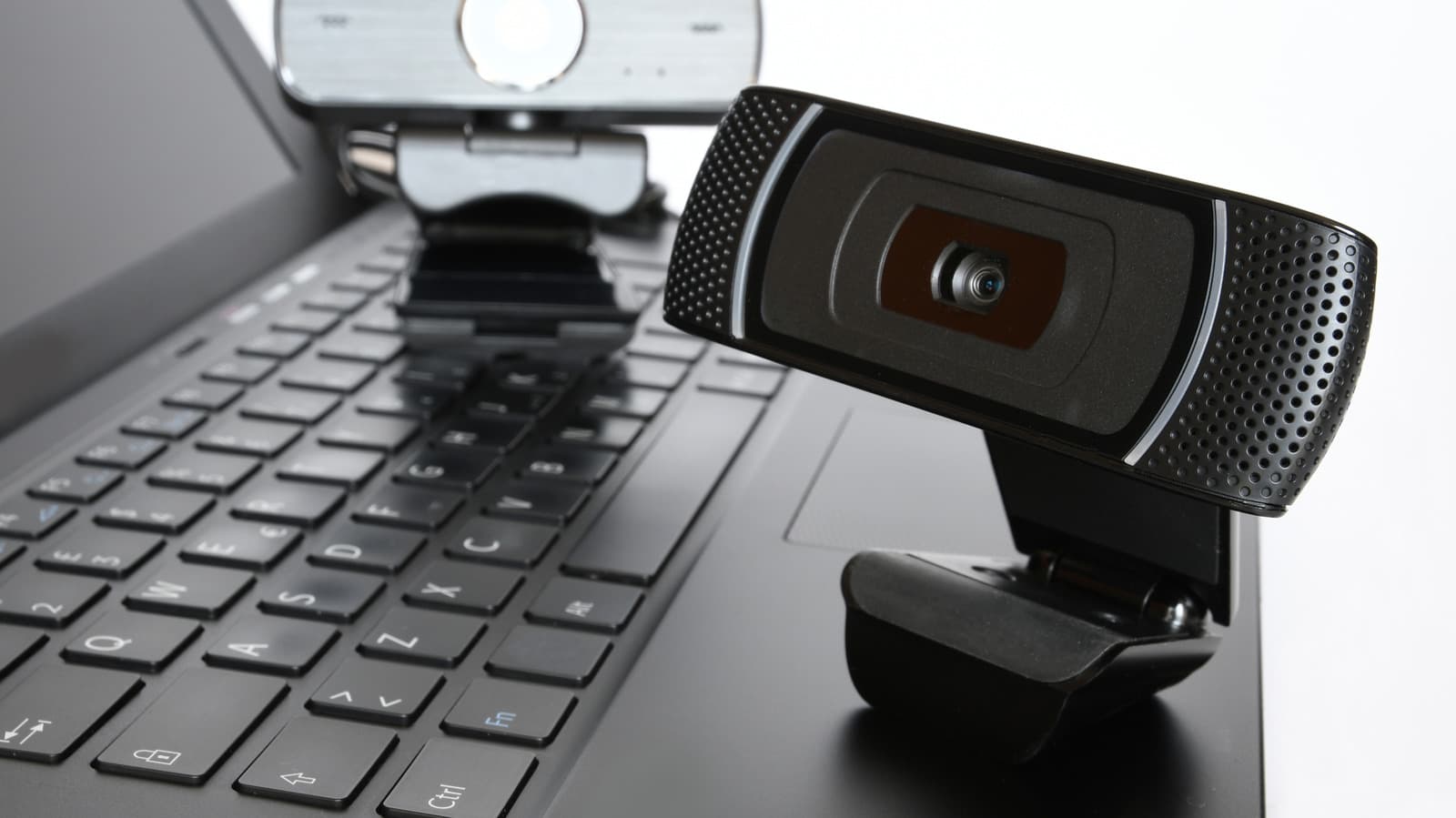
Laptop makers have spent years improving built-in cameras, yet standalone webcams remain a steady seller. The question of what's the point in buying a webcam if your laptop already has a camera keeps resurfacing because the answer is not about having any camera at all. It is about having the right camera for the work you do.
The Gap Between Built-In and Standalone Cameras
Laptop webcams have improved, but they still sit inside a chassis with severe space and thermal constraints. Manufacturers prioritize thinness and battery life over sensor size. A standalone webcam, by contrast, can house a larger image sensor and better optics without compromising the laptop's design.
That hardware gap matters most in poor lighting. A dedicated webcam often produces cleaner images in dim rooms, which is where many home offices operate. The difference is not subtle on a video call.
Where Standalone Webcams Earn Their Place
Several practical scenarios make a separate webcam worth the purchase. These are not edge cases for most remote workers.
Each of these points addresses a limitation that laptop design itself creates. The built-in camera is convenient, but convenience is not the same as capability.
The Privacy Argument That Built-In Cameras Cannot Answer
Privacy concerns have driven much of the standalone webcam market. A built-in camera is always present, and software shutters depend on trust in the manufacturer's implementation. A physical cover or a webcam that can be unplugged provides a level of assurance that software alone cannot.
This is not a theoretical worry. High-profile cases of unintended camera activation have made users cautious. For some buyers, that alone justifies the purchase.
Why This Matters
The standalone webcam market persists because laptop design and user needs are pulling in different directions. Laptop makers will keep prioritizing thin, light designs. Users who depend on video for work will keep needing better image quality and control than those designs allow.
Buyers should evaluate their actual usage. If video calls are occasional, the built-in camera is likely sufficient. If video is a core part of the workday, a standalone webcam remains a practical upgrade that addresses real limitations rather than a redundant accessory.


