 Editor: Porcia Akua Holmes
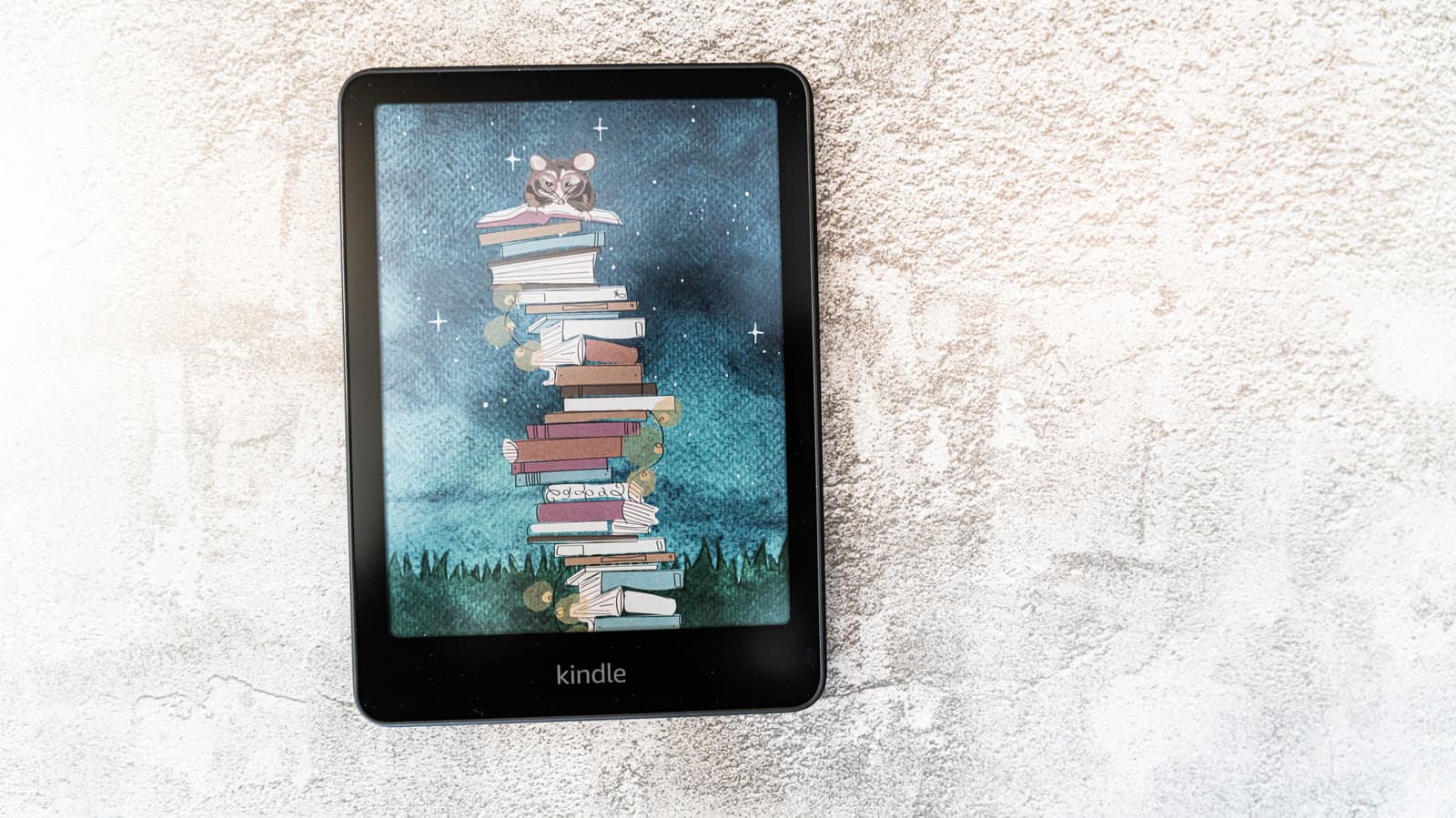
Comic book readers who buy a Kindle tablet without checking display quality risk losing the vivid impact of bright superhero artwork. The warning comes as Amazon's Kindle lineup continues to blur the line between e-readers and tablets, leaving buyers unsure which device actually suits graphic novels.
The Display Divide Between Kindle E-Readers and Fire Tablets
Amazon's Kindle brand covers two distinct product families. The standard Kindle and Kindle Paperwhite use e-ink displays designed for text, while the Kindle Fire line uses color LCD screens built for media consumption.
That split creates confusion for comic book readers. A device sold under the Kindle name may not deliver the color saturation or contrast that graphic novels demand.
E-ink panels, however, excel at battery life and eye comfort. Those strengths matter little when a reader opens a page of bright superhero artwork and sees muted tones or slow page turns.
How Screen Technology Affects Comic Artwork
Comic books rely on bold color palettes, fine line work and dramatic shading. Each of those elements places specific demands on a display.
E-ink screens typically render only grayscale and refresh at a fraction of the speed of LCD panels. Fast page turns in action sequences can produce ghosting or flashing artifacts.
LCD panels on Kindle Fire tablets handle color and motion more capably. Glare and backlight bleed, however, can still undermine the reading experience in bright environments.
Why This Matters
Comic book readers who choose the wrong Kindle tablet face a degraded experience that no software update can fix. Display hardware is fixed at purchase, so the decision carries lasting consequences for how artwork appears on every page.
Publishers and digital comics platforms also feel the impact. When readers abandon graphic novels because of poor rendering, engagement metrics suffer and future investment in digital comic catalogs may slow.
The broader market is watching. As Amazon continues to market Kindle devices to broad audiences, the risk of mismatched expectations grows, and competitors that clearly label screen capabilities could win over frustrated comic fans.
What Buyers Should Check Before Choosing a Kindle
Shoppers should start by identifying which Kindle family a device belongs to. The Fire tablet line is the only option within the Kindle brand built for color comic reading.
Reading environment matters too. A buyer who reads mostly outdoors may prefer an e-ink Kindle for text and a separate tablet for comics, rather than compromising on either.
Amazon's product listings often emphasize storage and price over panel type. Buyers who scan only the headline specs may miss the display detail that determines whether bright superhero artwork looks vibrant or flat.


