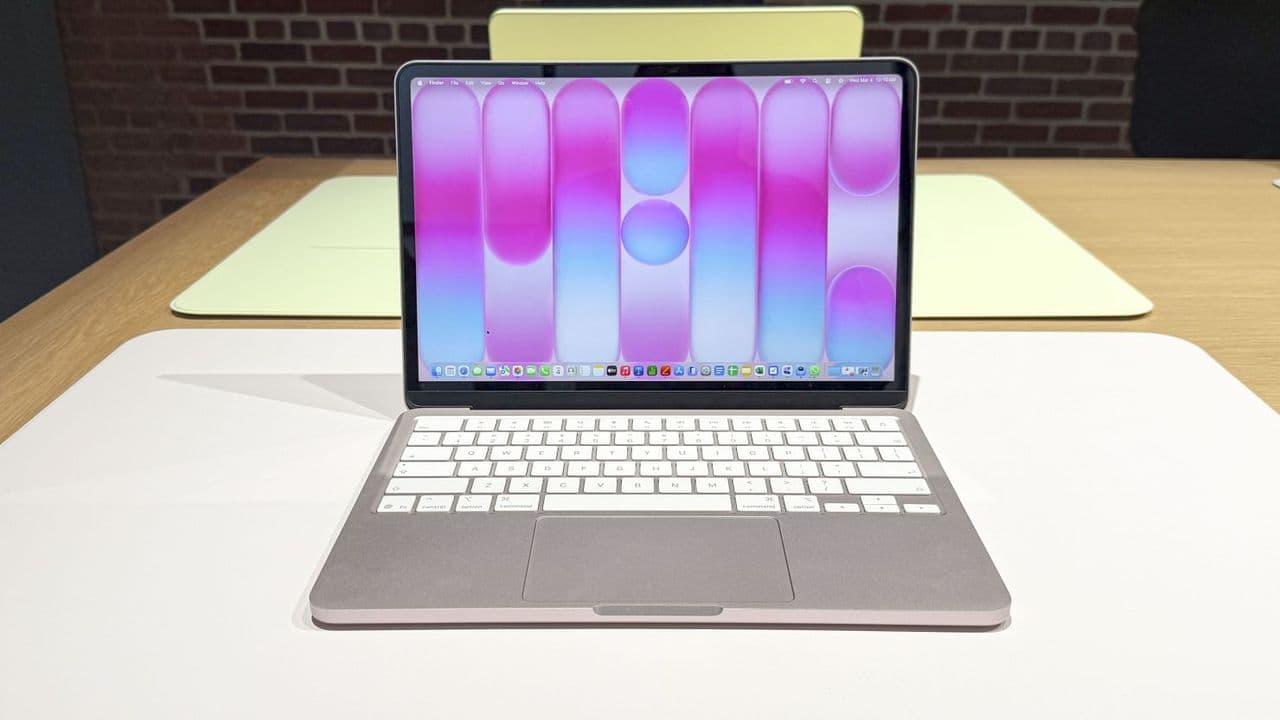
Kansas City Public Schools has placed a massive bet on Apple. The district is spending tens of millions of dollars to swap out roughly 30,000 Windows-based computers and Chromebooks for MacBook Neos, aiming to become what officials describe as an 'all-Apple district.'
The shift represents one of the largest single-device migrations in K-12 education. It also puts Kansas City at the center of a broader debate over whether Apple’s premium hardware delivers enough classroom value to justify its higher price tag compared to more affordable alternatives from Dell, HP, or Google.
Why This Matters
School technology decisions carry long-term consequences. Devices chosen today shape not only how students learn but also how districts manage maintenance, training, and future upgrades. Kansas City’s move toward a unified Apple ecosystem signals a strategic bet on seamless integration, brand loyalty, and perceived quality — but it also comes with significant upfront costs and potential lock-in risks.
For other districts weighing similar choices, this case offers a real-world benchmark. The outcome could influence procurement patterns across American public schools, particularly as many grapple with aging Windows deployments and the rising popularity of Chromebooks in budget-conscious environments.
The Scope of the Switch
The district plans to replace approximately 30,000 devices currently in use. That includes aging Windows PCs from various manufacturers as well as Google Chromebooks deployed in earlier phases. The new fleet will consist entirely of MacBook Neos — Apple’s mid-range laptop aimed at education markets.
Officials say the transition will occur over multiple years, with initial batches arriving this fall. Training programs for teachers and IT staff are already underway. The district has also secured volume pricing from Apple, though specific financial terms have not been disclosed publicly.
Cost vs. Value Considerations
Apple’s education pricing undercuts retail significantly — a MacBook Neo typically costs districts around $900–$1,000 per unit. That still exceeds the $300–$500 range for many Chromebooks or entry-level Windows laptops. However, proponents argue that Apple devices offer superior durability, longer useful life spans, and stronger resale value.
The district expects total expenditure to reach tens of millions over the multi-year rollout. Some critics question whether the premium delivers proportional gains in student outcomes or operational efficiency. Independent analyses of similar large-scale Apple deployments in other districts have shown mixed results — some report improved engagement but others note no significant academic lift.
Long-Term Ecosystem Effects
Standardizing on Apple creates a tightly controlled environment. The district will manage devices through Apple’s MDM tools, streamline app distribution via the App Store, and rely on Apple’s repair network. This reduces fragmentation but also limits flexibility to adopt non-Apple software or hardware in the future.
Teachers and students will operate within macOS and iPadOS ecosystems. That could simplify training but may also narrow exposure to alternative platforms used widely in higher education and professional workplaces.
The move also positions Kansas City as a showcase for Apple’s K-12 strategy. Other districts watching this rollout may factor its outcomes into their own planning — especially those with large Windows install bases considering similar transitions.
What Comes Next
The first wave of MacBook Neos will reach classrooms this fall. District officials emphasize that the transition is not just about hardware but also about rethinking instructional approaches. Professional development sessions are focusing on integrating Apple-specific tools like Swift Playgrounds and collaborative features into lesson plans.
Meanwhile, the district must manage the logistics of retiring 30,000 older devices — ensuring data migration, recycling compliance, and minimal disruption during the swap. Parents and community members have raised questions about cost transparency and whether the investment aligns with broader educational priorities.
Kansas City’s all-Apple experiment will unfold over the next several years. Its success or failure could influence how other public school districts navigate the increasingly complex landscape of education technology choices.