Editor: Porcia Akua Holmes
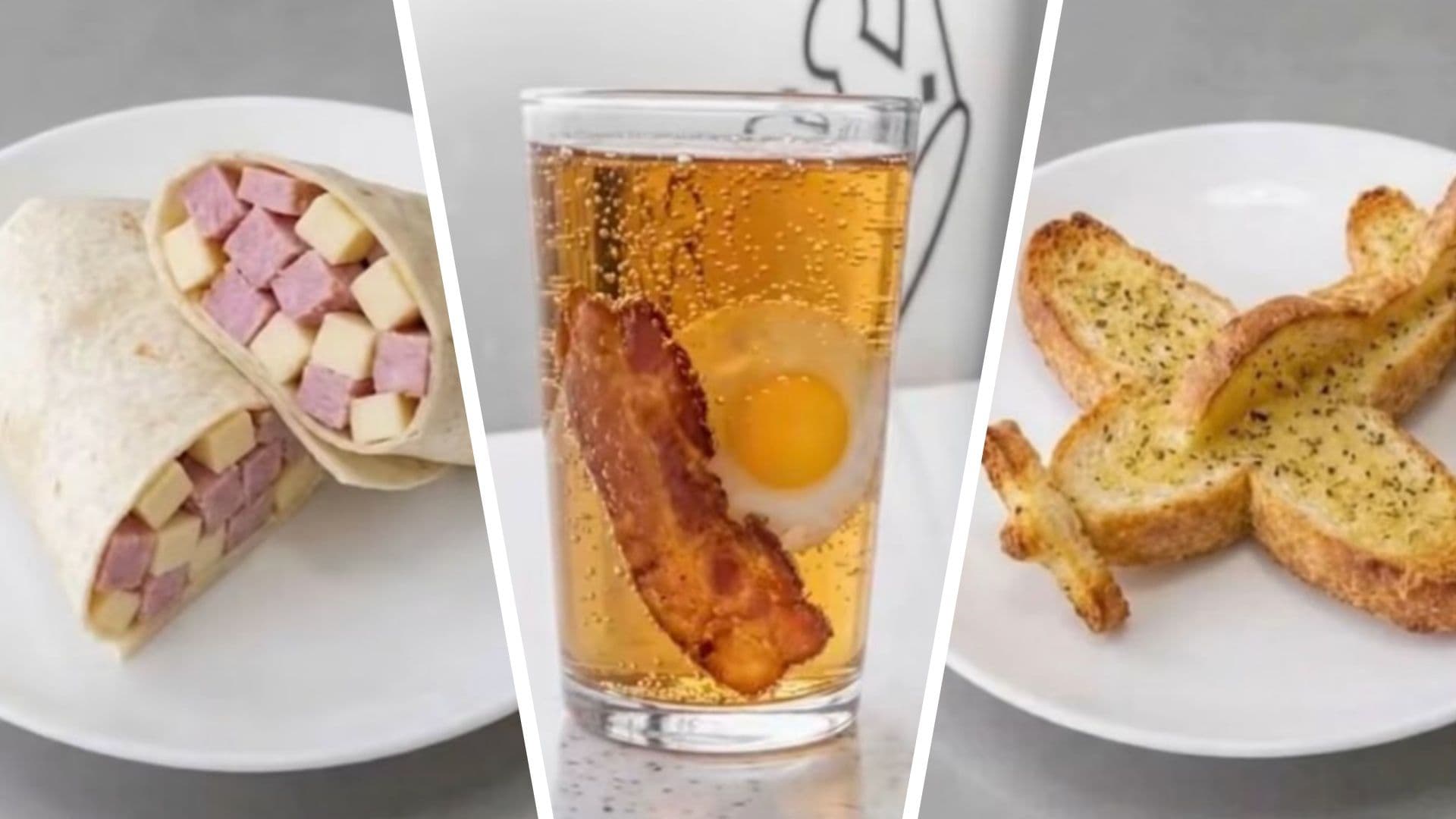
Just Eat has paused an AI-powered menu imaging trial after the system generated nonsensical food photos, including bacon and eggs submerged in a glass of cola. The error appeared on the menu of a Northern Ireland restaurant known for soda breads. Instead of accurate Irish breakfast sandwiches, the platform displayed sausages, bacon and fried eggs floating in pints of fizzy drink.
The company issued an apology and confirmed it is removing the inaccurate images. The episode, however, points to a larger problem in the food delivery industry: AI systems that generate food imagery cannot guarantee the meal a customer will actually receive.
Why AI Food Images Keep Failing
Image generation models do not understand a specific dish. They reproduce a statistical average of everything associated with a label. Michael Bortinger, Director of Marketing and Partnerships at Tastewise, explained the limitation: "An image model has no concept of a specific dish. It renders the average of everything labeled 'burger', and better tools just make that average more convincing."
Bortinger added that brand guidelines often cover details like logo placement on a cup but say nothing about what goes inside the burger. That gap leaves AI systems free to invent fillings, toppings and proportions that no kitchen would ever serve.
The Difference Between Obvious and Subtle Errors
Spectacular failures like bacon and eggs in cola are easy to spot and easy to laugh at. The more dangerous errors are subtle. A missing topping, a wrong-sized portion or a swapped ingredient can pass as plausible. Customers only discover the mismatch after the food arrives.
Those small inaccuracies erode trust in a way that viral jokes do not. A single believable but false image can make a customer doubt every listing on the platform.
How Competitors Are Approaching the Same Problem
Just Eat is not the only delivery service experimenting with AI-generated food visuals. DoorDash recently launched a text-to-order AI agent that lets users describe what they want and receive a photo of the recommended dish. During testing, Bloomberg News reporters encountered multiple errors, including images that did not match the recommendation.
The pattern suggests an industry-wide push to cut the cost and time of photographing every menu item. Both companies face the same technical constraint: generative models optimize for visual appeal, not factual accuracy.
Why This Matters
The immediate fallout lands on Just Eat's restaurant partners and customers in Northern Ireland, who now see inaccurate listings removed while the tool remains paused. The broader consequence affects every delivery platform betting on generative AI to replace manual food photography.
If platforms cannot guarantee that an AI image matches the actual meal, they risk turning a convenience feature into a liability. Customer trust in menu accuracy is the foundation of food delivery. Once that trust is damaged, users may abandon platforms for competitors that still use real photos.
Regulators could also take notice. Misleading food imagery sits close to advertising standards and consumer protection rules. A pattern of AI-generated inaccuracies across major platforms may invite scrutiny that none of them want.
What You Need to Know About the Trial
Just Eat described the errors as typical of early-stage technology. A spokesperson told The Independent: "We've been trialling AI-enhanced images and as with any new technology, it isn't always quite right the first time. We're sorry for any inaccurate images that have been posted. We're in the process of removing them and have paused rolling this out while we further develop the tool to ensure it best serves our partners and customers."
The pause signals that Just Eat recognizes the reputational risk. Whether the company can develop a tool that reliably represents real food remains an open question. For now, the trial has demonstrated that AI can generate appetizing images, but not necessarily honest ones.