Elon Musk's legal battle against OpenAI ended not with a ruling on nonprofit ethics but with a procedural decision. A jury found that Musk filed his lawsuit after the statute of limitations expired. The case was dismissed without addressing whether OpenAI improperly converted from a nonprofit to a for-profit company.
A Lawsuit Driven by Personal Grievance
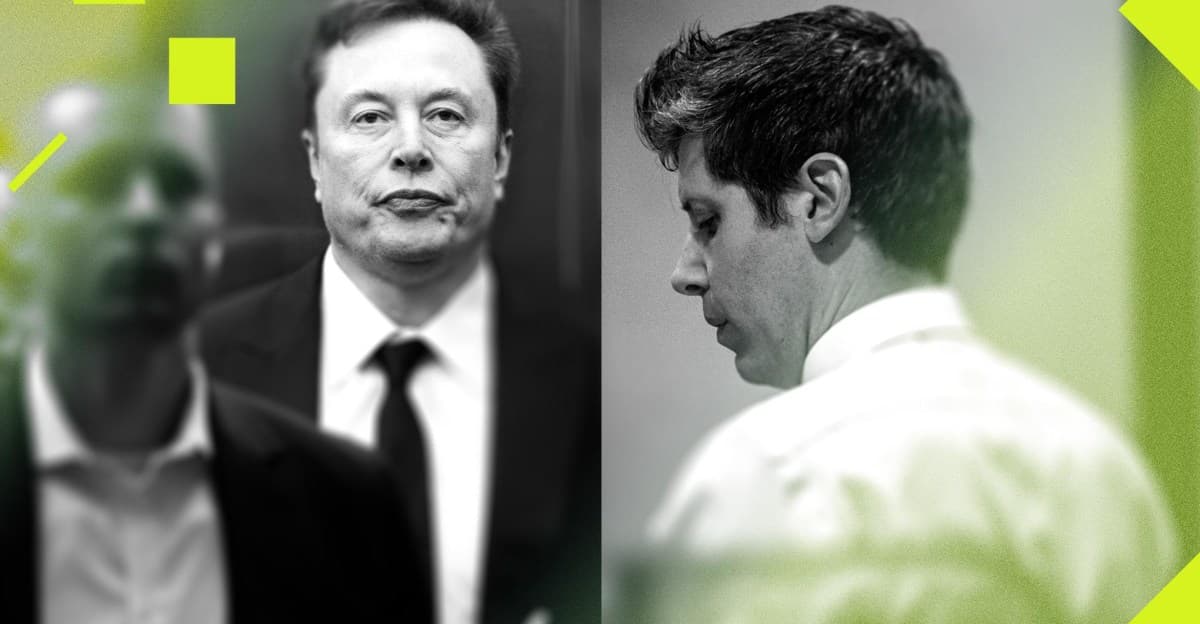
Musk accused OpenAI of violating a charitable trust. He argued the company breached its mission by creating a profitable subsidiary after accepting his donations. But the trial revealed a deeper story. Testimony and court filings showed Musk's frustration with Sam Altman's leadership and OpenAI's success after Musk left the board. The legal claims took a back seat to personal attacks and recriminations.
The courtroom was often chaotic. Outside, protesters gathered. Inside, the judge scolded a spectator for taking photos. Musk's own testimony was combative. The atmosphere reflected the intensity of the rivalry between two of tech's most powerful figures.
Why Timing Mattered
The jury's decision rested on a narrow question: Did Musk file his lawsuit on time? They concluded he did not. Musk had originally sued in state court in 2024, then withdrew and refiled in federal court. The clock on his claims started earlier, and the delay proved fatal. The statute of limitations defense succeeded, and the case ended before any judgment on the merits.
OpenAI and Microsoft, named as a co-defendant for allegedly aiding the conversion, argued the claims were stale. The jury agreed. The trial never reached evidence about the for-profit transition or the so-called "blip" when Altman was briefly ousted and returned.
Why This Matters
The dismissal leaves OpenAI's corporate structure legally intact. Other nonprofits considering for-profit conversions get no clarity from this case. Musk's loss also underscores the high bar for challenging such transitions after years have passed. For the AI industry, the trial highlighted how personal feuds can shape legal strategy. The outcome sets no precedent on the substance of OpenAI's governance. But it does signal that procedural defenses can block even high-profile lawsuits.
Musk's campaign against OpenAI continues through other channels. He has called for more regulation and launched his own AI venture, xAI. But this courtroom chapter is closed.